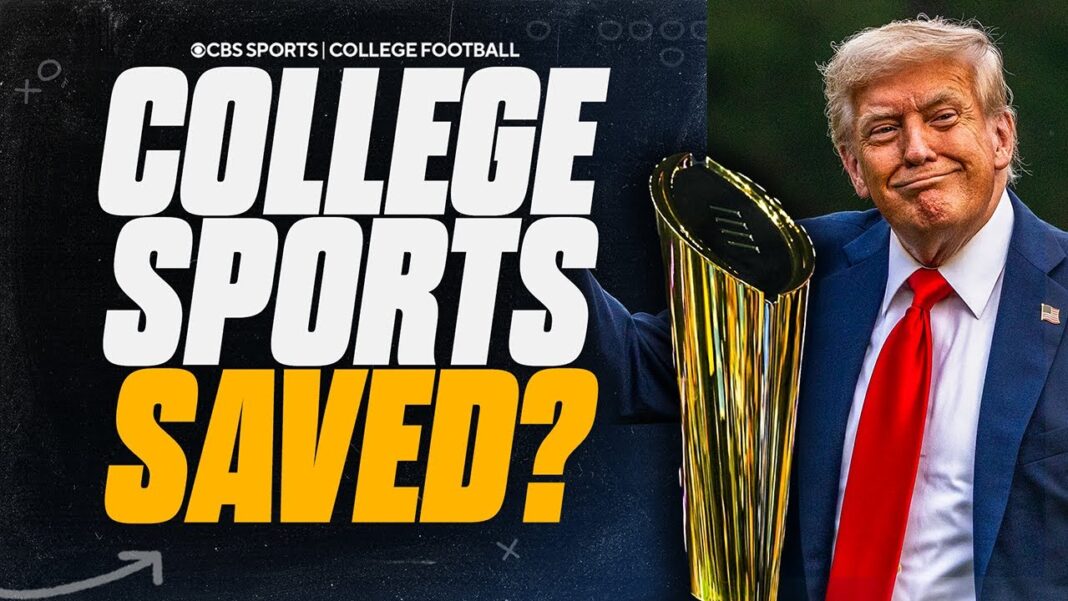


There is one key statistic missing from Penn State’s flip-card that the sports’ information office provides the media for every home football game. It is the one most are talking about, but few correctly understand: Name, Image and Likeness (NIL) and the amounts the players are paid. NIL allows athletes to earn money through endorsements, sponsorships, and personal branding, which has dramatically altered the longstanding model of amateurism.
The college football landscape has undergone a seismic shift thanks to the continued playoff expansion, the freewheeling transfer portal and the rise of NIL.
The traditional metrics of any college athletic department no longer apply. Collegiate sports and in particular football and basketball have been fundamentally reshaped by NIL creating a fast-moving, high-stakes marketplace where building a team roster resembles professional free agency more than amateur recruiting.
And while the flip-card doesn’t list it, the financial firepower behind any big-time program is now as critical as any team’s football third-down conversion rate.
Programs with robust donor networks and well-greased NIL collectives are now flipping initial recruits and transfers like Wall Street day traders.
Players move between schools with fewer restrictions, often influenced by NIL opportunities. This has made it possible for teams to rebuild or rebrand in a single offseason, rather than waiting years for recruiting classes to develop.
In what should be referred to as the Bryce Underwood effect, the nation’s top-ranked recruit flipped his commitment from LSU to Michigan after securing a $12.5 million NIL deal. It made Underwood the highest-paid player in college football history before ever taking a single collegiate snap at quarterback.
In a bold fusion of contemporary college football economics and old-school recruitment hustle, Deion Sanders used NIL incentives and the transfer portal to orchestrate one of the most dramatic roster rebuilds in recent memory as 57 transfers jolted Colorado from obscurity and into the national conversation.
This dynamic has fostered greater parity, enabling traditionally underperforming programs to compete with established powerhouses. In a span of just one season, Tulane transformed from a 2–10 footnote to a 12–2 success story. This shift created more parity in college football, allowing smaller or traditionally less dominant programs to compete with established powerhouses.
This has led to greater parity in college football as smaller or less historically dominant programs can now compete provided they have the financial backing. Traditional basketball powers like Duke, Kansas, and Maryland are rewriting their athletic identities, using NIL leverage and savvy transfer portal strategies to build football programs that can hold their own. Smaller schools like SMU and Vanderbilt have experienced dramatic improvements thanks to the same strategy. Last year’s historic run for SMU carried them to the first round of the College Football Playoff that ended with a tough loss to Penn State. SMU didn’t just show up, they contended. The Mustangs are no longer outsiders and in doing so put everyone else on notice.
Schools are building NIL collectives, while hiring general managers to stay competitive. The flip-card may never list NIL payouts but make no mistake they are shaping the outcomes on the field. In today’s recruiting game, it’s not just about tradition or titles; it’s about who can bankroll the most enticing NIL deal.
The NCAA, long the self-appointed guardian of amateur purity from sea to shining sea, now finds itself dodging lawsuits like a quarterback under a corner blitz as they grapple with how to regulate NIL fairly. Every court verdict only serves to inch college athletes closer to employee status leaving the old NCAA playbook to be run through the shredder.
Some states have passed laws that give schools more control over NIL deals, while others restrict involvement. Then there is the ongoing debate about whether athletes should be classified as employees, which could lead to unionization and collective bargaining.
Last year, Ohio State won the football national championship with a roster rumored to be worth $20 million. This season, however, that won’t be enough.
Texas has invested nearly $40 million with quarterback Arch Manning pulling down $6.6 million.
NIL didn’t just change college football – it annihilated its business model.
What remains is a high-stakes, money free-for-all that feels more like a startup bubble than any sustainable, long-term arrangement.