

A federal appeals court ruled against energy companies in the jurisdictional dispute, saying the lawsuits should be heard in state court.
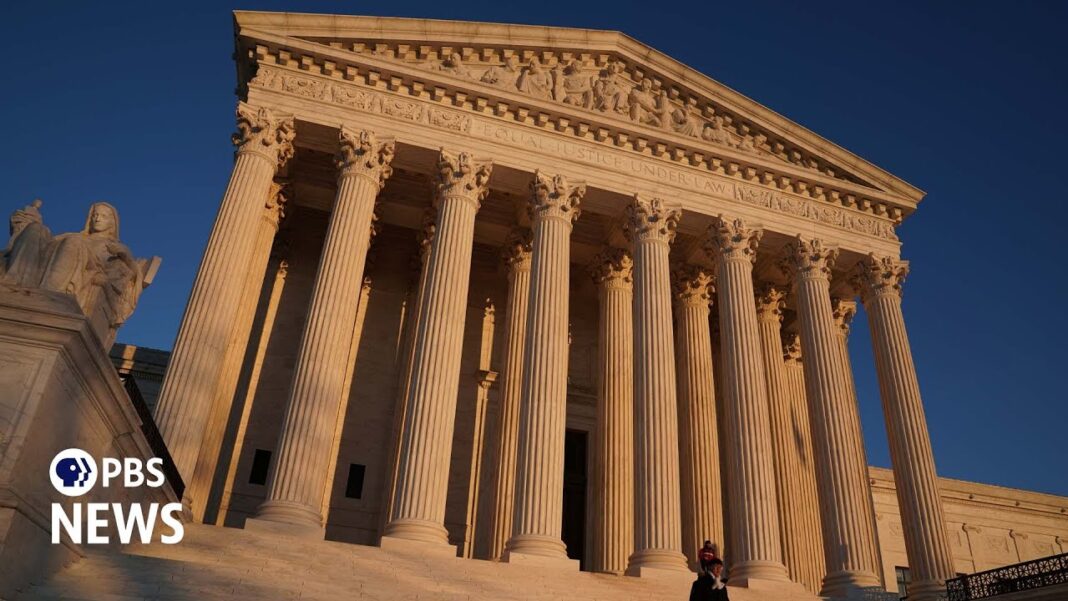
The U.S. Supreme Court on Jan. 12 grappled with energy companies’ bid to move into federal court several lawsuits filed by local Louisiana governments accusing the corporations of harming the state’s coastal wetlands.
In the case, Chevron USA Inc. v. Plaquemines Parish, Louisiana localities allege that the state’s environment was damaged, dating back to when oil production activities were carried out to honor federal refinery contracts during World War II.
Starting in 2013, six parishes along the Gulf of America coast in Louisiana initiated 42 lawsuits accusing oil and gas companies of violating a state permitting law, the State and Local Coastal Resources Management Act of 1978.
The first case went to trial, and in April 2025, a jury ordered Chevron to pay $744.6 million to Plaquemines Parish.
The oral argument on Jan. 12 did not center on the merits of the localities’ lawsuits, but instead focused on whether procedural rules governing jurisdiction—or authority to hear a case—were followed by lower courts.
Some companies prefer to litigate in federal court, which they consider more amenable to companies than state courts.
When a case is transferred from a state court to a federal court, lawyers describe the process as “removal” to federal court.
The multiple lawsuits that the local governments filed in state court against the petitioners—several energy companies, including Chevron and Exxon Mobil Corp.—concern exploration and production work carried out in Louisiana’s coastal areas.
The companies argued that the 42 lawsuits should be removed to federal court because federal officials had a connection to the refining contracts.
Specifically, they argued that the cases should be transferred because a 2011 federal officer removal statute gives federal courts jurisdiction over civil lawsuits filed against “any person acting under [an] officer” of the United States “for or relating to any act under color of such office,” the companies’ petition filed last year said.
The cases were removed to the federal district courts. The localities then challenged the removals, and federal district courts sent the cases back to state court, the petition said.