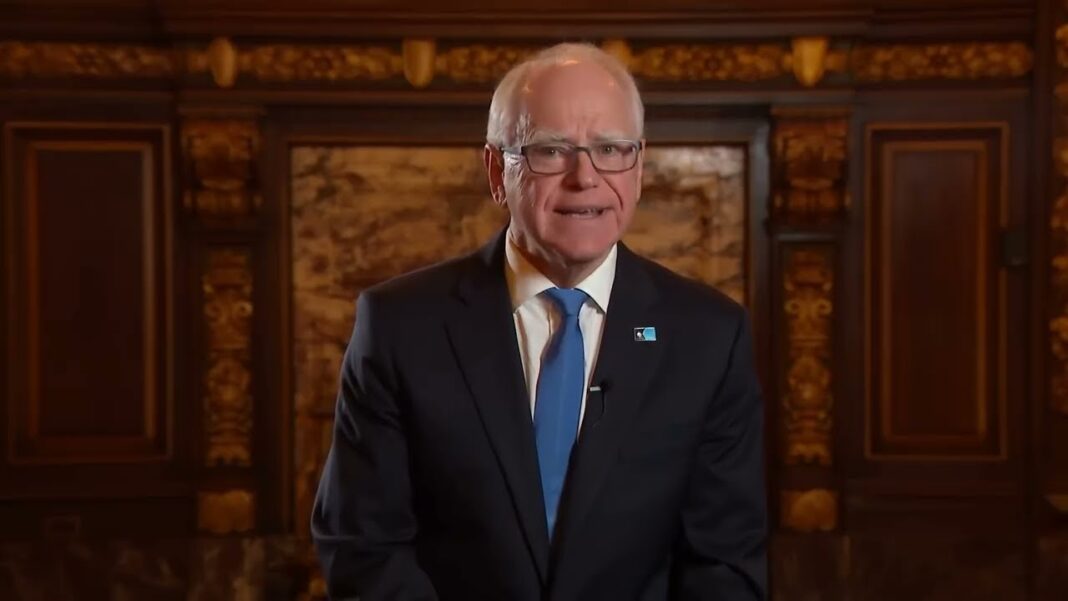


The South Korean president’s office said ministers would travel to the United States to convey their commitment to implementing the trade deal.
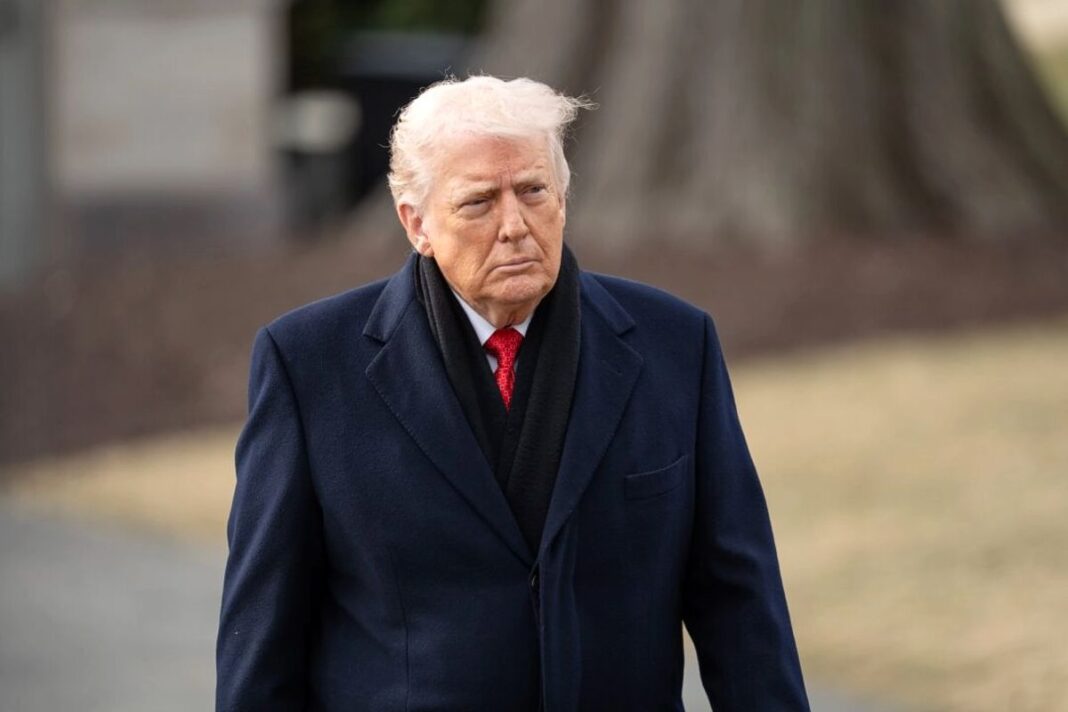
U.S. President Donald Trump said on Jan. 27 that the United States will negotiate a solution with South Korea following his announcement of higher tariffs on the ally’s exports the previous day.
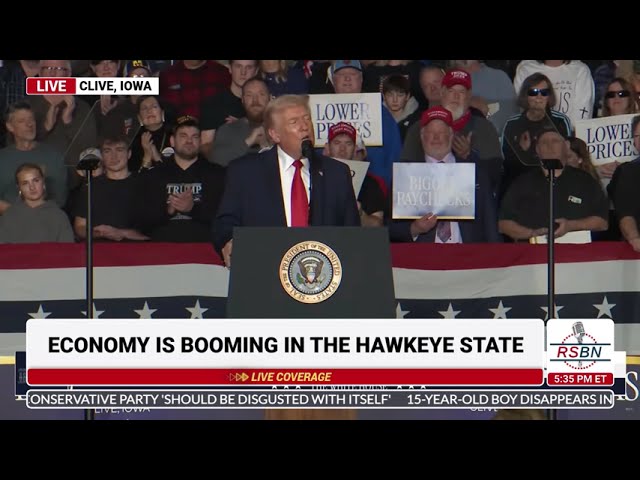
“We’ll work something out with South Korea,” Trump told reporters as he departed the White House for a speech in Iowa. He offered no further details on potential concessions or timelines.
Trump said in a Jan. 26 post on Truth Social that he was restoring U.S. tariffs on South Korean automobiles and other products to 25 percent, up from the current 15 percent rate. The hike, he said, stemmed from South Korea’s legislature, the National Assembly, failing to uphold its end of a bilateral agreement struck last year.
U.S. Trade Representative Jamieson Greer said the United States reduced the rate in exchange for Seoul’s pledge to invest $350 billion in the United States, allow more U.S. cars into South Korea, and eliminate some non-tariff barriers.
“In the meantime, they haven’t been able to get a bill through to do the investment,” Greer told Fox Business Network. He added that South Korea had also fallen short on promises related to agriculture, manufacturing, and digital services.
Greer highlighted the swelling U.S. trade deficit with South Korea, which reached $65 billion under the prior Biden administration.
“Not sustainable and it has to change,” he said.
Under terms agreed last year, the United States reduced tariffs on Korean goods from 25 percent to 15 percent in exchange for expanded market access in South Korea for U.S. vehicles, barrier reductions, and a massive investment commitment.
South Korea’s ruling Democratic Party submitted legislation to implement the trade deal with the United States in November.
Kim Hyun-jung, a South Korean Democratic Party spokesperson, on Jan. 27 said five bills are before the National Assembly and have bipartisan support from the People Power Party, which is currently the second-largest party in the legislature and the main opposition party.
“Since President Trump has not mentioned the timing of the tariff increase, the key question is how quickly follow-up legislation and support systems, such as special laws, can be established to support the implementation of the Korea–U.S. agreement,” Kim said.
The South Korean Democratic Party spokesperson said the party looked forward to bipartisan cooperation with the People Power Party.