

The judges for the Ninth Circuit, in a 3–0 order, ruled that the program has ‘procedural safeguards’ in place.
A U.S. appeals court on Jan. 28 ruled that the Department of Homeland Security’s (DHS’s) move to end deportation protection for tens of thousands of Venezuelan nationals was illegal.
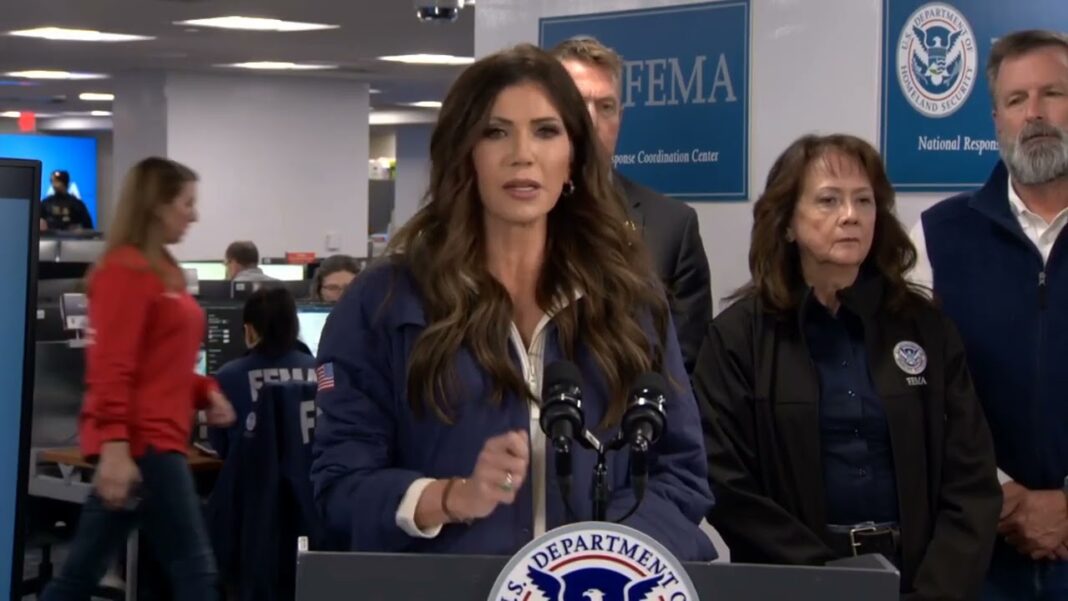
A three-judge panel of the San Francisco-based Ninth U.S. Circuit Court of Appeals upheld a lower court ruling that found Homeland Security Secretary Kristi Noem overstepped her authority when she ended the temporary protected status (TPS) for Venezuelan nationals who were living in the United States.
“Congress created TPS to provide stability, predictability, and a brief reprieve from deportation to qualifying citizens of designated countries. The catch: that reprieve is guaranteed for no more than 18 months at a time,” the order said, adding that DHS has “significant discretion and authority in designating, extending, and terminating a country’s TPS.”
“But by its plain language, the statute does not grant the Secretary the power to vacate an existing TPS designation.”
The court wrote that Noem also exceeded her authority in “partially vacating Haiti’s TPS designation.”
Circuit Judge Kim Wardlaw wrote the opinion for the panel in a 3–0 order, further saying the TPS statute has “numerous procedural safeguards that ensure individuals with TPS enjoy predictability and stability during periods of extraordinary and temporary conditions in their home country.”
“The record is replete with examples of hard-working, contributing members of society—who are mothers, fathers, wives, husbands, and partners of U.S. citizens, pay taxes, and have no criminal records—who have been deported or detained after losing their TPS,” Wardlaw wrote.
TPS, authorized by Congress as part of the Immigration Act of 1990, allows the Homeland Security secretary to grant legal immigration status to people fleeing countries experiencing civil strife, environmental disaster, or other “extraordinary and temporary conditions” that prevent a safe return to that home country.
Designations are granted for periods of six, 12, or 18 months, and extensions can be granted so long as conditions remain dire. The status prevents holders from being deported and allows them to work, but does not give them a path to citizenship.
The Jan. 29 ruling comes after the U.S. Supreme Court in October allowed Noem’s decision on Venezuela to take effect pending a final decision by the justices.