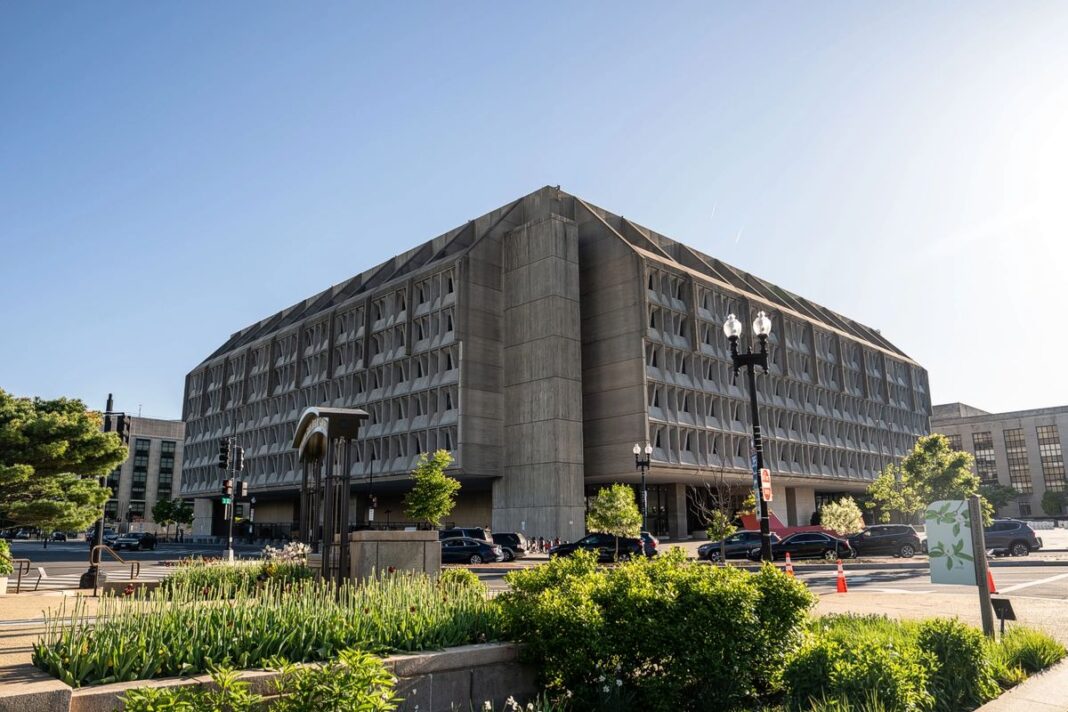


‘Beating cancer once shouldn’t mean living in fear of its return,’ the agency said.
U.S. health agencies are investing in vaccines that are aimed at preventing cancer from returning, officials said March 22.
The Department of Health and Human Services (HHS) and the National Cancer Institute have launched a public-private partnership to pay for clinical trials that will test vaccines developed to generate an immune attack on tumors, the agencies said.
“Beating cancer once shouldn’t mean living in fear of its return,” HHS stated in a post on Facebook. The agencies are “spearheading a $200M public-private partnership to drive innovative cancer treatments that prevent recurrence,” it stated.
Dr. Anthony Letai, director of the National Cancer Institute, wrote on X that cancer vaccines “show real promise, especially for hard-to-treat cancer.”
He said that a program is now underway with the Foundation for the National Institutes of Health, a nonprofit Congress started to lead public-private partnerships that achieve medical breakthroughs, “to advance promising cancer vaccine technologies through rigorous clinical trials.”
Small, early stage trials have shown promising results. In one phase 1 trial featuring nine participants, none experienced recurrence of kidney cancer around 40 months after surgery, researchers reported on Feb. 5, 2025. The vaccine was developed by the Dana-Farber Cancer Institute.
Asked for details about the new effort, including which companies would receive funding, an HHS spokesperson on Monday pointed to a Wall Street Journal article that did not list specific companies but reported the vaccines will be for people who developed cancer, received treatment, and are deemed at risk for cancer returning. The outlet reported that the effort was aiming to collect $100 million from the government and another $100 million from private sources.
“What’s exciting about this is that there are early signals from clinical trials that we can actually have an impact even in some very difficult settings where we have very little to offer patients,” Letai told the paper.
“Nothing of this scale has been attempted in cancer vaccines before,” said Stacey Adam, a vice president at the Foundation for the National Institutes of Health. “This should be a huge launchpad for moving the field forward at a much-faster pace.”