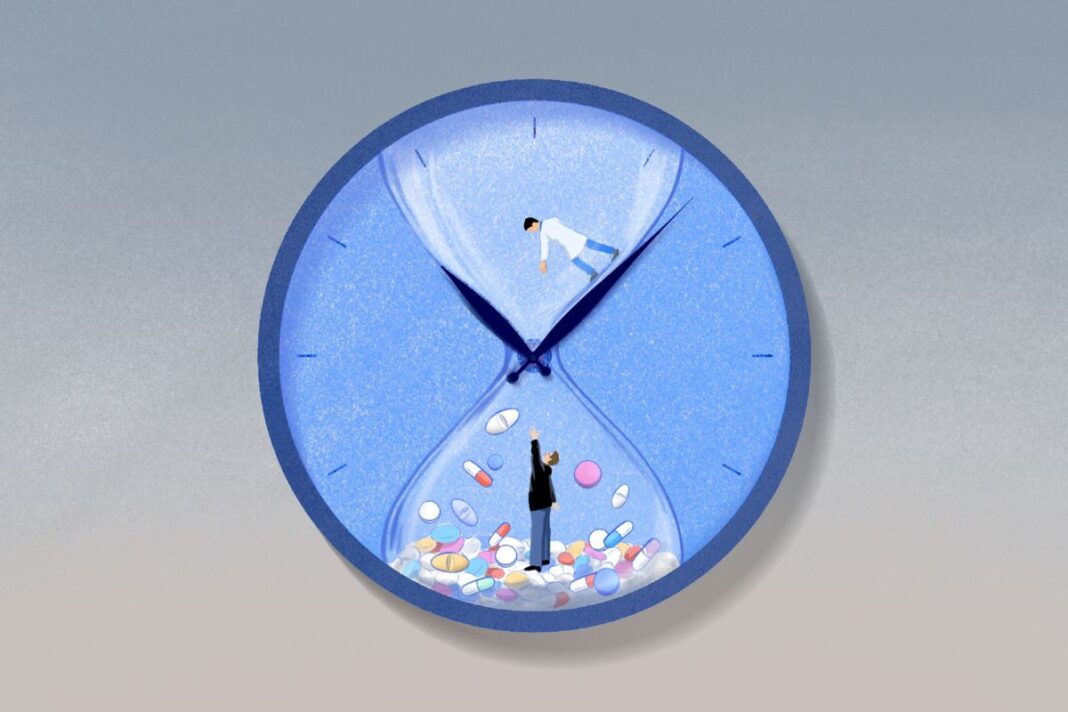


Designed to prevent heart disease earlier, new guidelines ask for more testing and nuanced decisions–often in visits too short to fully weigh the trade-offs.
You can now be treated for heart disease decades before you have symptoms.
You go in for a routine physical, feeling healthy. Your cholesterol comes back a little high, not alarming, just above the cutoff. In the past, your doctor might have said, “Let’s recheck next year.”
Under the 2026 cholesterol guidelines, you may be sent for more tests. You could leave with a statin, not because you are sick today, but because you might develop heart disease in 30 years.
The goal is to push prevention earlier and make it more precise, treating risk long before symptoms appear. Supporters say this “lower-for-longer” approach could prevent tens of thousands of heart attacks and strokes by catching disease earlier.
For many otherwise healthy adults, especially those in their 30s and 40s with modestly elevated cholesterol, the shift is far more complicated. The benefits are distant and statistical. The burdens—more tests, more appointments, a daily pill that could last decades—arrive now.
When Prevention Moves Earlier
For decades, decisions about cholesterol treatment hinged on a simple question: What is this person’s risk of a heart attack or stroke in the next 10 years? The answer usually mattered most in midlife.
Now, clinicians are being asked to consider longer-term risk—sometimes starting in a person’s 30s.
The 2026 guidelines add layers to what was once a simpler decision. Instead of focusing mainly on short-term risk, doctors are asked to calculate both 10- and 30-year risk, weigh “risk enhancers,” such as family history or inflammation, and, in some cases, add tests such as lipoprotein(a) or coronary calcium scans.
A healthy 32-year-old with an LDL of 160 and a family history of heart disease may now be told to consider medication, even if their short-term risk is low. Screening starts earlier, too. The guidelines recommend cholesterol testing for all children 9 to 11, and as early as age 2 for those with a strong family history or inherited disorders.
A visit that once centered on a single number now pulls in age, blood pressure, smoking status, diabetes, and a long-term risk score calculated using a tool called PREVENT.
From there, testing can expand. A blood test may check for lipoprotein(a), a genetic risk factor carried by about one in five adults. A calcium scan may look for plaque building silently in the arteries.
The guidelines also set specific targets for LDL—“bad” cholesterol—often below 100, 70, or even 55, with treatment adjusted over time to keep levels low.
“The goal is to motivate patients at an early age to improve their risk status to avoid having to deal with major heart attacks, strokes, and heart failure later in life,” Dr. Roger Blumenthal, who chaired the guideline committee, told The Epoch Times.
The goal is clear on paper. What happens in the exam room is something else.
By Sheramy Tsai