

Control of the Hormuz Strait is key as House Democrats’ call for war resolution fails and U.S. and Iran representatives are set to meet April 11 in Islamabad.
Israel on April 9 agreed to negotiate with the Lebanese government but continues to target Hezbollah-held pockets in the Bekaa Valley, saying its operations against the Iranian-backed militia are not included in the tentative two-week ceasefire negotiated less than two days prior by the Trump administration and Tehran.
That fragile truce—announced just after 7 p.m. ET April 7—appeared to be holding, despite reports from the United Arab Emirates and Kuwait of sporadic Iranian drone strikes.
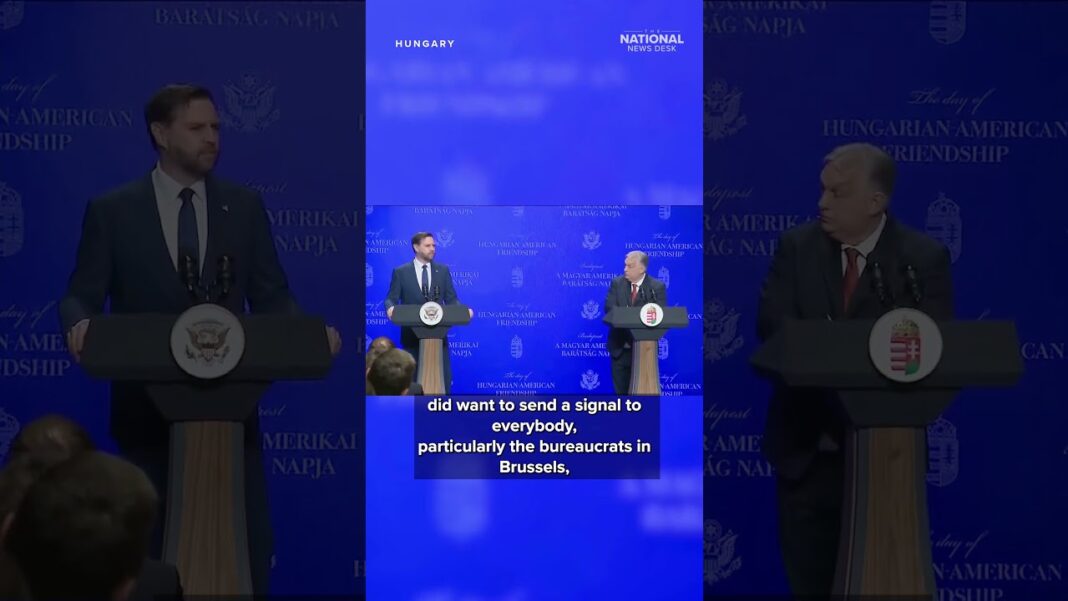
With this in the background, a United States delegation led by Vice President JD Vance is set to meet for in-person talks with Iranian representatives in Islamabad starting on April 11.
Questions remain about what will be addressed during the Islamabad talks; the Trump administration has presented a 15-point plan—many of its components not publicly disclosed—and Iran has countered with an alleged 10-point plan roundly rejected by the United States as a nonstarter.
The status of the Strait of Hormuz raises other questions. Iran maintains that it has jurisdictional control. U.S. President Donald Trump has floated a proposal for joint U.S.–Iranian administration of the key waterway. The UK, among others, claims that such an arrangement is a violation of international maritime law.
Here is a roundup of key April 9 developments as of 5 p.m. ET.
Israel to Negotiate Lebanon Ceasefire
Israeli Prime Minister Benjamin Netanyahu said on April 9 that he has authorized direct negotiations with Lebanon “as soon as possible.”
A U.S. State Department official told the Epoch Times that those discussions will be staged next week in Washington.
Netanyahu’s statement followed a request for a ceasefire from Lebanese Prime Minister Nawaf Salam, who pledged to support efforts to disarm the Hezbollah terrorist group and demilitarize Beirut and the Bekaa Valley.
Israel’s Foreign Ministry said in a statement on X that since March 2, Hezbollah has fired more than 6,500 rockets at Israeli civilians without intervention from the U.N.
“UN Diplomacy failed,” the foreign ministry said. “When Israel targets terror infrastructure, it complains. … Enough talk. Act.”
Talks of a ceasefire with the Lebanese government, which has little direct control over Hezbollah, come a day after hundreds of Lebanese people were killed during the most intense Israeli strikes since Israel began its Operation Roaring Lion campaign against Hezbollah on Feb. 28, the same day it joined the United States in its Operation Epic Fury against Iran.
Iran has said that Israel must cease its attacks against Hezbollah as a condition of the two-week truce. The Trump administration maintains that the temporary pause in hostilities with Tehran does not restrain Israeli operations in Lebanon, leaving it to Netanyahu to negotiate whatever separate peace is acceptable to Israel.
By John Haughey