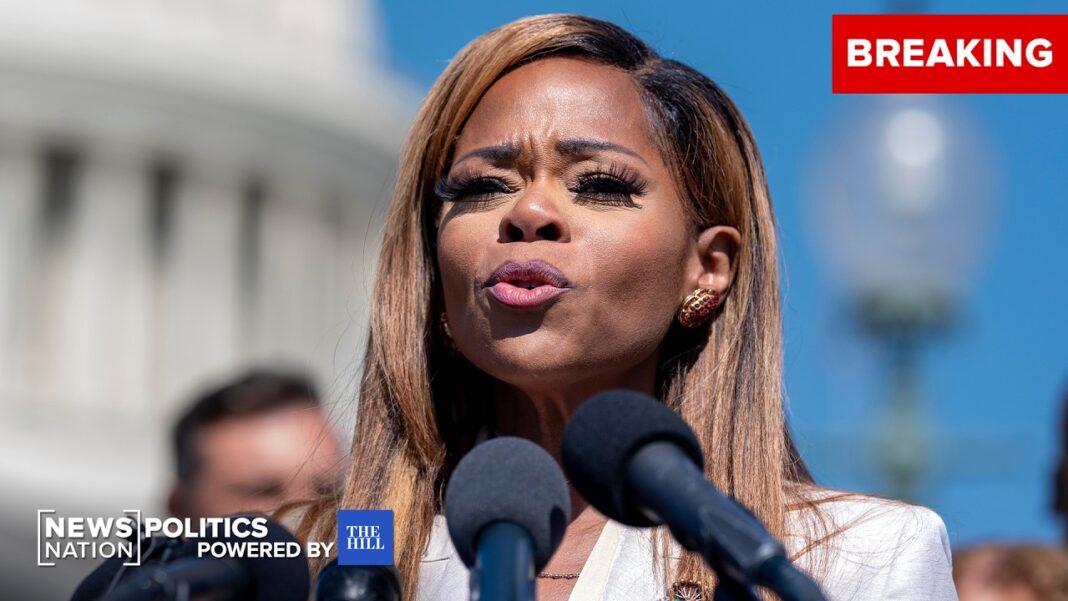
From the Fed’s balance sheet to how the central bank communicates, Kevin Warsh pledges various changes to the institution.
Kevin Warsh, the nominee for chair of the Federal Reserve, testified before the Senate Banking Committee on April 21, fielding a wide range of questions.
Warsh, selected to replace outgoing Fed Chair Jerome Powell next month, faced questions about monetary policy and central bank independence.
He also faced pushback from lawmakers regarding his financial disclosures and his relationship with President Donald Trump.
Despite opposition from several members of the committee, including Sen. Thom Tillis (R-N.C.), prediction markets widely expect the former Fed governor to be confirmed by June 30 at the latest.
For now, here are key takeaways from Warsh’s appearance on Capitol Hill.
- Federal Reserve Independence
- ‘Regime Change’
- Communications
- Disclosures and Divestment
- Support
Federal Reserve Independence
Over the past year, lawmakers have expressed concern that Warsh would not be an independent central bank chief and would implement decisions based on the president’s demands.
Warsh repeatedly reaffirmed his commitment to Fed independence. But he said this does not mean the Fed should avoid listening to elected officials.
“I do not believe the operational independence of monetary policy is particularly threatened when elected officials—presidents, senators, or members of the House—state their views on interest rates,” Warsh said in his opening remarks.
When pressed by the committee’s Democratic senators about media reports that the president has pressed him to lower interest rates during their meeting, Warsh stated that Trump did not.
Warsh said the reporters “either needed better sources or better journalist standards.”
“The president never asked me to commit to interest rate cuts at any particular meeting over the period of my tenure at the Fed,” he told Sen. Ruben Gallego (D-Ariz.).
“He didn’t ask for it. He didn’t demand it. He didn’t require it, and nor would I have ever done so.”
Shortly before the hearing, the president told CNBC’s “Squawk Box” that he would be disappointed if Warsh did not lower interest rates after arriving at the central bank.
‘Regime Change’
Throughout the approximately three-hour hearing, Warsh championed “regime change” at the century-old institution through policy and personnel.
Citing policy missteps, the 56-year-old argued that the Fed needs significant changes to restore its credibility and ensure it can live up to its dual mandate of price stability and the labor market.
“Once you let inflation take hold in the economy, it’s more expensive and harder to bring it down, and so the fatal policy error going back four or five years is still a legacy that we’re dealing with,” he said.
“I think that means a regime change in the conduct of policy. I think that means a different, new inflation framework.”
Warsh reiterated his support for reducing the balance sheet, though he stopped short of specifying the level he would be comfortable with moving forward.
“Any changes, senator, in the balance sheet would be part of a public discussion, debated rigorously, and if and when the central bank comes to a judgment about a new balance sheet policy, which I hope the central bank would be described well in advance,” Warsh stated.
He would also prefer to see “big, robust deliberations” at the Federal Open Market Committee’s rate-setting meetings.
“I tend to favor messier meetings than some, where people don’t show up with rehearsed scripts, but we can have a good family fight,” Warsh said.
By Andrew Moran