

The drug is for dogs and cats
Federal regulators on June 11 announced they’ve granted emergency authorization for a screwworm drug for dogs and cats, the latest in a series of actions officials have taken since the flesh-eating pest entered the United States for the first time in years.
The Food and Drug Administration authorized, on an emergency basis, generic nitenpyram for treating New World screwworm infestations in dogs, puppies, cats, and kittens that weigh at least two pounds and are older than three weeks of age. The drug is made by Felix Pharmaceuticals.
The authorization “puts an affordable, fast-acting treatment in the hands of pet owners, strengthens our containment strategy, and helps stop this destructive parasite from spreading further in the United States,” Health Secretary Robert F. Kennedy Jr said in a statement.
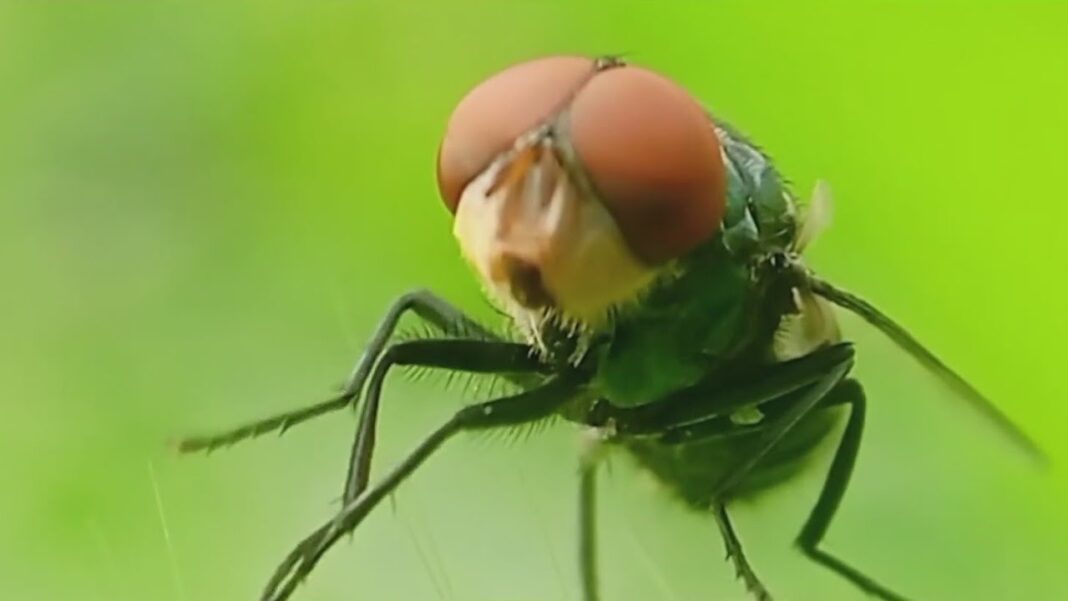
The screwworm fly was officially eradicated from the United States in 1966 through a strategy primarily involving the release of sterile males, which mated with females, resulting in infertile eggs. It has rarely appeared since then.
The screwworm began getting closer to the United States in recent years, and a case was confirmed in a calf in Texas, officials announced on June 3. Multiple other cases in animals have since been identified.
Acting FDA Commissioner Kyle Diamantas said on Thursday that the FDA has spent nearly a year preparing for the possible arrival of the screwworm, issuing emergency authorization for 10 drugs and conditional approval of three others. That includes an injectable drug called Dectomax, cleared in mid-May, to prevent and treat screwworm infestation in dairy cattle and in swine, horses, sheep, and deer.
Zoetis, the company that makes Dectomax, states on its website that it is “the only non-prescription conditionally approved parasite control product labeled for prevention and treatment of infestations caused by New World screwworm larvae in cattle, and prevention of reinfestation for 21 days.”
The U.S. control strategy also involves deploying sterilized male screwworms.
Agriculture Secretary Brooke Rollins said in a post on X this week that officials are deploying 4 million sterile flies by air and another four million on the ground each week in Texas.