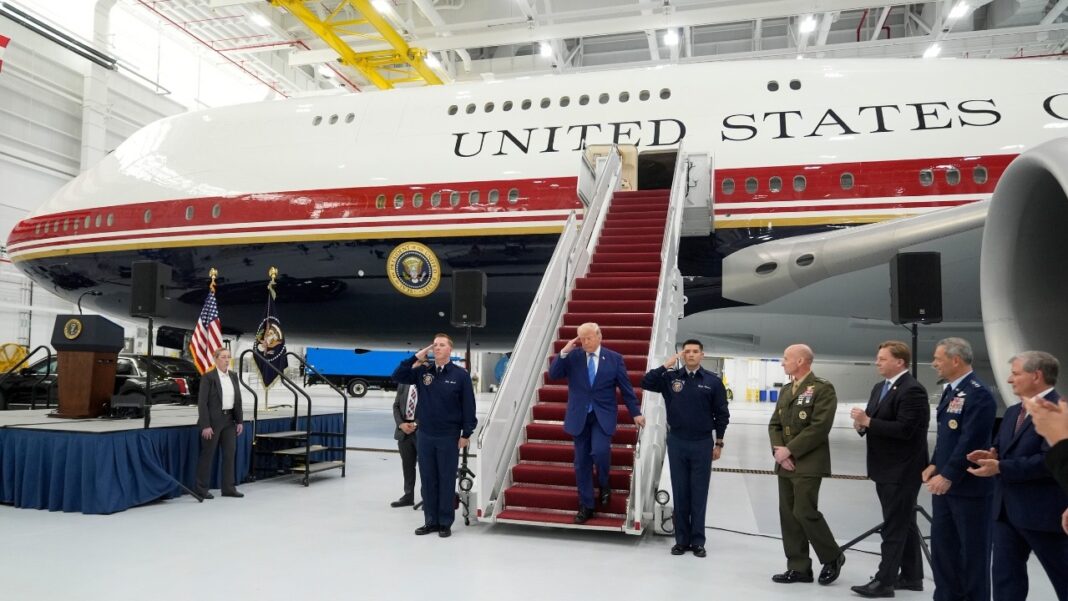
The U.S. military has not claimed responsibility for the strikes on the school, which is located near an Iranian military base.
Senators are seeking to tie Secretary of War Pete Hegseth’s future travel budget to a review of a set of deadly strikes on a school in Iran, and other outstanding oversight requests before the Pentagon.
The Shajareh Tayyebeh Elementary School in the southern Iranian city of Minab was repeatedly struck on Feb. 28, as U.S. and Israeli forces commenced large-scale combat operations against the Iranian regime. Local officials have said more than 150 were killed, including more than 100 school children, while dozens more were wounded.
The U.S. military has not claimed responsibility for the strikes on the school, which is located near an Iranian military base. In the months since the strikes, U.S. lawmakers have repeatedly pressed the Pentagon for more details about the strikes, including identification of the parties, which local officials say left more than 150 dead and dozens more wounded.
This week, the Senate Armed Services Committee filed its draft for the National Defense Authorization Act (NDAA) for Fiscal Year 2027. The NDAA draft includes a provision stating the office of the Secretary of War may not use more than 25 percent of its allocated travel budget until it addresses several outstanding oversight items, including an investigation into civilian harm caused by the Minab school strikes.
Asked about the strikes during a press conference in France on June 17, President Donald Trump said, “Mistakes are made; a war is nasty.” He then said a report on the incident could be ready within the day, but deferred questions on the matter to Hegseth.
The Pentagon did not respond by publication time to a request for details about the potential timeline for releasing its investigative findings on the Minab school strike.
Lawmakers have previously tied the secretary’s travel budget to the completion of oversight requests.
By Ryan Morgan