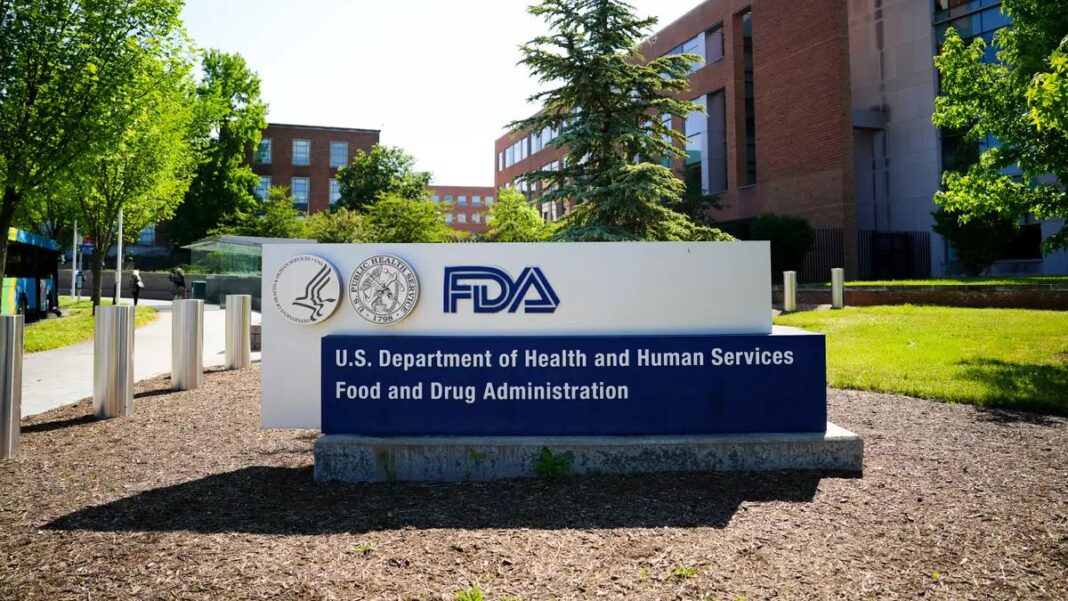


The Council of Economic Advisers estimated potential savings from a proposed nationwide ban on anti-competitive clauses.
WASHINGTON—A ban on certain contracts between hospital systems and health insurers could save Americans around $45 billion, according to a report from White House analysts released on June 18.
“The Council of Economic Advisers’ findings reinforce that the Trump administration is delivering meaningful cost reductions for American patients,” White House spokeswoman Allison Schuster told The Epoch Times by email June 19, noting the president’s surgical approach to policy development that prioritizes fiscal discipline.
“By harnessing the use of free-market competition, President Trump has found a real solution to lowering costs instead of blindly throwing more taxpayer money at the problem.”
Administration officials are exploring how best to manage hospital systems and insurers without relying on price controls or heavy-handed regulations.
At issue are three clauses, known as “anti-steering, anti-tiering, and all-or-nothing” contracts, which critics say shield healthcare providers from competition, thus increasing prices for consumers.
Anti-steering clauses block insurers from incentivizing or guiding clients toward cheaper options or providers, even when their data indicate clear savings potential.
Anti-tiering is used to stop insurers from categorizing hospital systems in less desirable benefit tiers that would reduce profit margins by forcing the providers to cover higher patient costs.
Bundled, also known as all-or-nothing, contracts require insurers to include all hospitals and physicians in a system, eliminating the option to negotiate independently.
Combined, the provisions result in more expensive healthcare, with higher rates, less efficiency, and limited insurance plan innovation due to reduced competition.
In markets where the clauses in question are widespread, a ban would lead to an 18 percent decline in hospital and physician prices, amounting to approximately $4,100 per inpatient admission, according to the report.
Premium prices would decline by about 7 percent, saving the average family about $1,800 annually, the report found, with aggregate reductions totaling about $45 billion and up to $63 billion.
Workers would benefit from higher take-home pay and lower out-of-pocket costs thanks to the reduced insurance costs. Small businesses and employers would also get relief with lower costs.