

The president’s stalled executive order seeks to exclude children of illegal immigrants from automatic citizenship at birth.
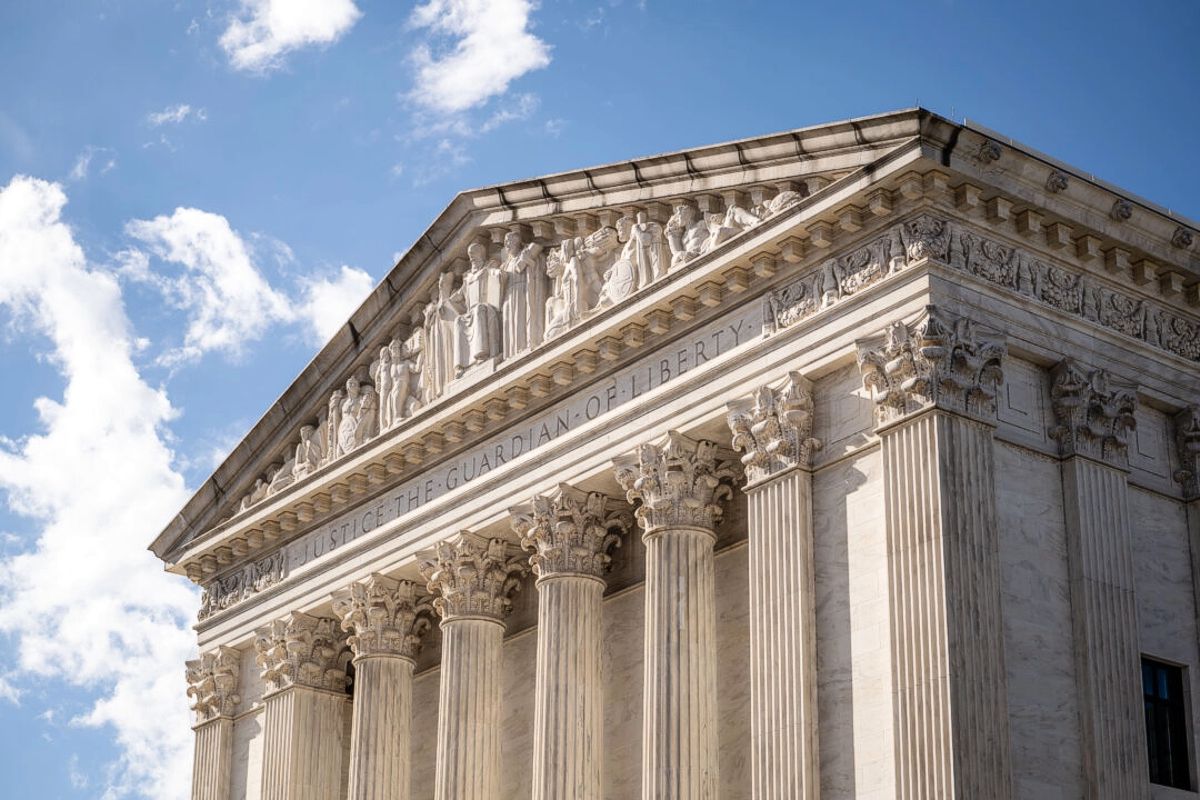
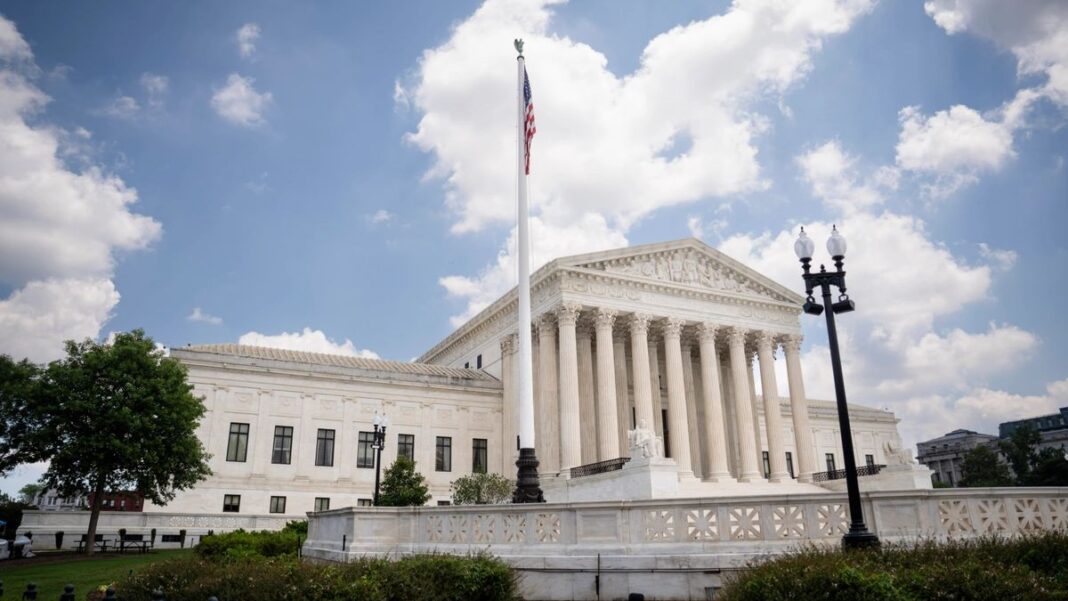
The U.S. Supreme Court on June 30 struck down President Donald Trump’s executive order excluding children of illegal immigrants and legal temporary visitors from automatic birthright citizenship.
Chief Justice John Roberts wrote the majority opinion in the case, which is known as Trump v. Barbara.
“A child born on American soil and subject to American law was made an American citizen,” Roberts wrote.
Justices Clarence Thomas, Neil Gorsuch, and Samuel Alito dissented.
Justice Brett Kavanaugh concurred in part and dissented in part.
Trump’s Executive Order 14160 focuses on the 14th Amendment’s citizenship clause, which states: “All persons born or naturalized in the United States, and subject to the jurisdiction thereof, are citizens of the United States and of the state wherein they reside.”
The executive order states that the amendment has never been interpreted to bestow citizenship universally on everyone born in the United States. According to the order, an individual born in the United States is not “subject to the jurisdiction thereof” if that person’s mother was unlawfully present in the country and the individual’s father was not a U.S. citizen or lawful permanent resident at the time of the person’s birth.
In other words, the executive order excluded the children of illegal immigrants and legal temporary visitors from automatic birthright citizenship.
Trump had said on March 30 that the country’s current birthright citizenship rule, which arose out of the 14th Amendment, was created to grant citizenship to freed slaves and their children, not to children born to temporary visitors.
His order states that “the Fourteenth Amendment has never been interpreted to extend citizenship universally to everyone born within the United States.”
A federal district court in New Hampshire temporarily blocked the executive order, finding it likely contradicts the 14th Amendment and Section 1401 of Title 8 of the U.S Code, enacted in 1952, which generally mirrors the 14th Amendment.
The federal government appealed to the U.S. Court of Appeals for the First Circuit, but did not wait for a ruling and asked the Supreme Court to intervene. In the meantime, the appeals court upheld a preliminary injunction blocking the executive order in a separate case.
This is a developing story and will be updated.