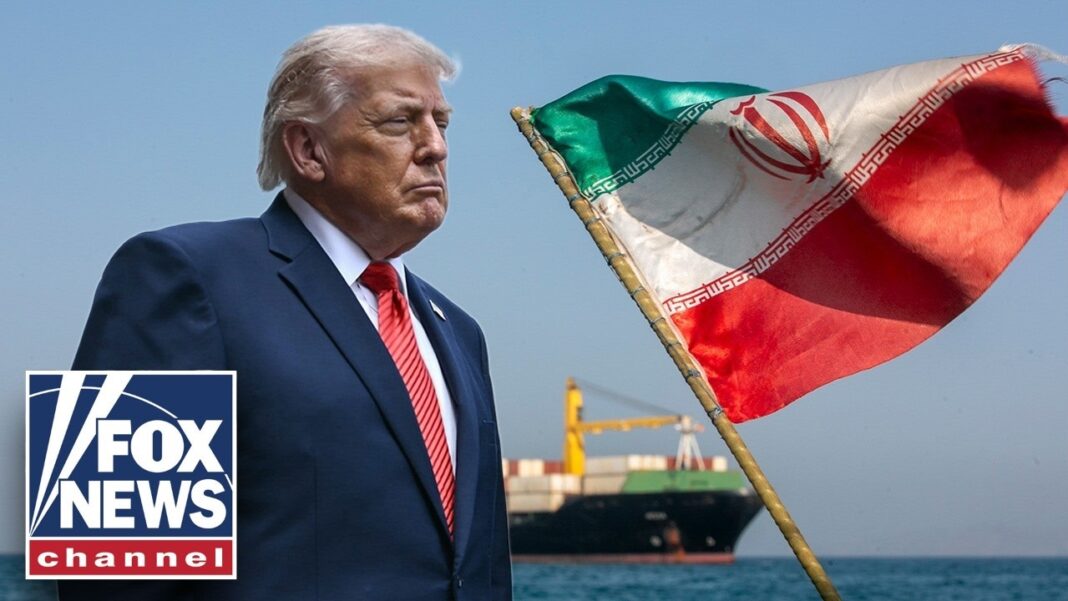


The comment from officials in Tehran comes as U.S. and Iranian negotiators pursue a permanent peace deal through Qatari mediators in Doha.
Officials in Tehran said Tuesday that Iran remains determined to impose charges on ships using the Strait of Hormuz after a 60-day grace period expires, highlighting one of the most contentious issues in ongoing negotiations with the United States over a permanent agreement to end months of conflict.
Iranian Parliament Speaker Mohammad-Bagher Ghalibaf was cited by state-run media IRNA as saying on state television on June 30 that transit through the strategic waterway will remain free only during the 60-day implementation period established under the interim memorandum of understanding signed by Washington and Tehran earlier this month. The memorandum extended a fragile ceasefire to give room for talks on a broader peace deal, while reopening the Strait of Hormuz to commercial shipping.
The comments came as technical negotiations aimed at translating the interim deal into a permanent agreement got underway in Doha, Qatar, through Qatari mediators, with U.S. special envoy Steve Witkoff and informal presidential aide Jared Kushner participating on the American side.
Iran Rejects Challenges to Strait Authority
Speaking on Iranian state television, Ghalibaf said the decision to waive charges for 60 days had been made at the request of Persian Gulf coastal states after the war disrupted shipping and left vessels stranded following the temporary closure of the strait.
“That decision was made at the insistence of the Persian Gulf littoral states, as some vessels had been stranded in the area after the outbreak of the war and the closure of the strait,” he said, adding that Iran had also committed to clearing mines from the waterway within 30 days.
He said Iran would then begin charging for maritime services it provides in the strait. While Ghalibaf did not state explicitly that the fees would constitute a traditional transit toll, Iran’s state-run media IRNA characterized his remarks as such, stating that “transit through the Strait of Hormuz will be free of charge only for 60 days.”
Ghalibaf said Article 5 of the memorandum says Iran and Oman will jointly determine the future administration of the Strait of Hormuz, including maritime services, in accordance with international law and the sovereign rights of the states bordering the waterway.
Tehran interprets that provision as recognizing Iranian and Omani sovereignty over the strait and giving the two countries authority to determine future maritime service arrangements, he said.
“There is no circumstance under which we would compromise on this matter,” Ghalibaf said. “These are our territorial waters,” he said.
He also said the current 60-day negotiating period could be extended by consent with the American side until a comprehensive peace deal is reached.
By Tom Ozimek