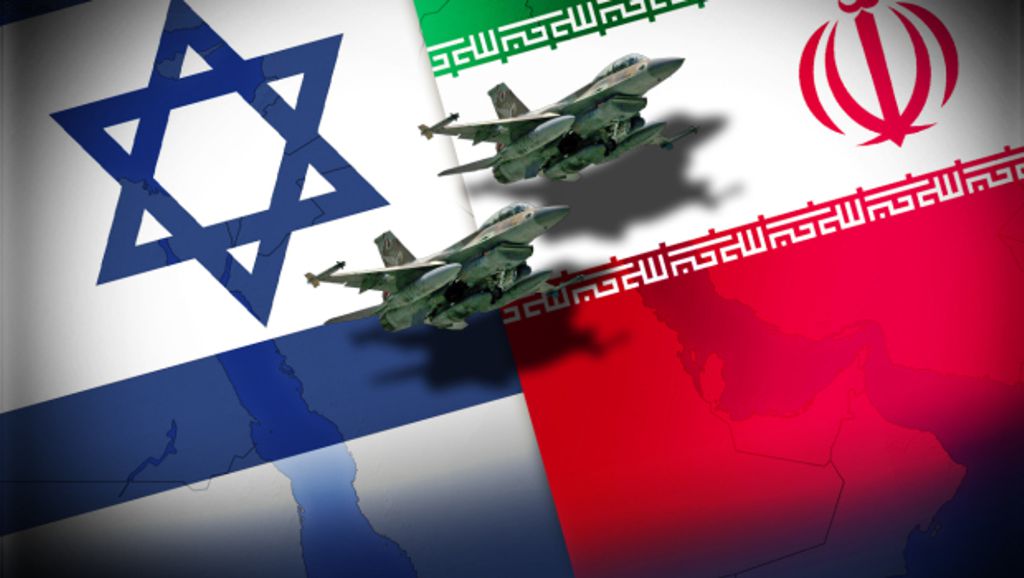


Washington Post Opinions- By Editorial Board, Published: September 7 ~ THE POINTLESS kerfuffle in Charlotte over whether the Democratic Party platform would contain a reference to Jerusalem obscured the fact that the Obama administration and the Israeli government of Benjamin Netanyahu continue to have a real and dangerous difference of opinion. The issue is not the location of Israel’s capital — President Obama’s position is identical to those of previous Democratic and Republican presidents — but the question of what to do about Iran’s nuclear program.
That there are differences between Mr. Obama and Mr. Netanyahu over the urgency of considering military action against Iran has been evident for some time. The White House has been saying that, despite Tehran’s progress in enriching uranium and refusal to bargain seriously with an international coalition, there remains “time and space for diplomacy,” a position we’re inclined to agree with. Israel, suggesting that Iran is approaching a “zone of immunity” in which its program would be nearly invulnerable to attack, has been signaling that it could act unilaterally in the coming months.
The acuteness of the differences was reflected in comments this week by Rep. Mike Rogers (R-Mich.), the chairman of the House intelligence committee, who said he witnessed “a very sharp exchange” between Mr. Netanyahu and Dan Shapiro, the U.S. ambassador to Israel, during a Aug. 24 meeting. “It was very, very clear that the Israelis had lost their patience with the administration,” Mr. Rogers said in a radio interview. Though Mr. Shapiro and Israeli officials denied that an argument had occurred, Israeli Defense Minister Ehud Barak repeated Thursday that “the clock is ticking at a different pace” for the United States and for Israel in judging the Iranian threat.
Many Israeli analysts believe Mr. Netanyahu will probably hold off on military action for now because of strong domestic opposition as well as pressure from Washington. But the disagreement is still damaging. It conveys to Iran that there is no need to worry about a war; certainly, the country’s leaders have been behaving as if they feel no pressure to compromise. It also creates the bizarre spectacle of senior U.S. military and diplomatic officials focusing their time and attention on trying to prevent an Israeli attack rather than an Iranian bomb.
In the past week Mr. Netanyahu has hinted at how the U.S.-Israeli difference could be overcome: through a clear public statement by Mr. Obama of a willingness to take military action if Iran crosses certain “red lines” in its nuclear program. Israel has been seeking such a declaration for some time, but Mr. Obama has limited himself to saying that his policy is to prevent Iran from obtaining a weapon and that “all options are on the table.”
Certainly there would be dangers to a more explicit presidential statement, including that the United States would start down a slippery slope toward war. But if Mr. Obama really is determined to take military action if Iran takes decisive steps toward producing a bomb, such as enriching uranium to bomb-grade levels or expelling inspectors, he would be wise to say so publicly. Doing so would improve relations with Mr. Netanyahu and deter unilateral Israeli action — and it might well convince Iran that the time has come to compromise.