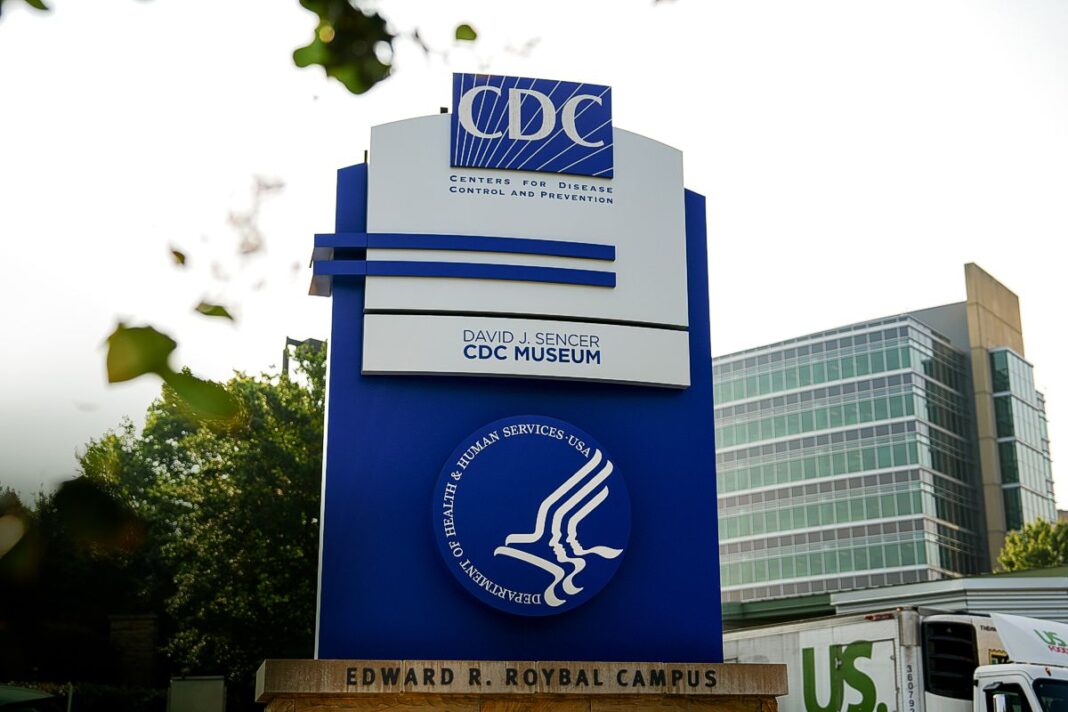


The Advisory Committee on Immunization Practices may adjust or remove recommendations for hepatitis B vaccination, and will discuss other possible changes.
Experts who advise the Centers for Disease Control and Prevention are going to vote on Dec. 4 on whether to alter recommendations for hepatitis B vaccination.
The Advisory Committee on Immunization Practices (ACIP) is going to vote on delaying the first dose of the hepatitis B vaccine series, which currently starts for most children on the first day of their life, with two additional doses within 18 months, the new chairman of the panel said.
ACIP’s draft agenda does not list voting language, and Dr. Kirk Milhoan, the chairman, said that the panel has not settled on exactly how long the delay should be.
“We try to avoid giving things to the most vulnerable,” Milhoan said. “We want to test these things incredibly thoroughly before we give it to them, especially in a neonatal period or in a pregnant mother. So these are things that we have a very high suspicion of.”
Milhoan was appointed chairman of ACIP this week, after Martin Kulldorff, who had been chair, joined the Department of Health and Human Services.
The CDC does not have to accept recommendations from ACIP, but often does.
Jim O’Neill, acting CDC director and deputy health secretary, approved all of ACIP’s most recent recommendations in October, including changing near-universal COVID-19 vaccine recommendations to advising people to consult with doctors and other health care professionals before receiving one of the shots.
Hepatitis B is a virus and a liver disease. As many as 2.4 million people have hepatitis B in the United States, according to the CDC. Transmission can happen through exposure to bodily fluids from people who have acute or chronic infection. Infected mothers can also transmit hepatitis B to their babies.
The CDC recommends that all pregnant women be screened for hepatitis B before birth.