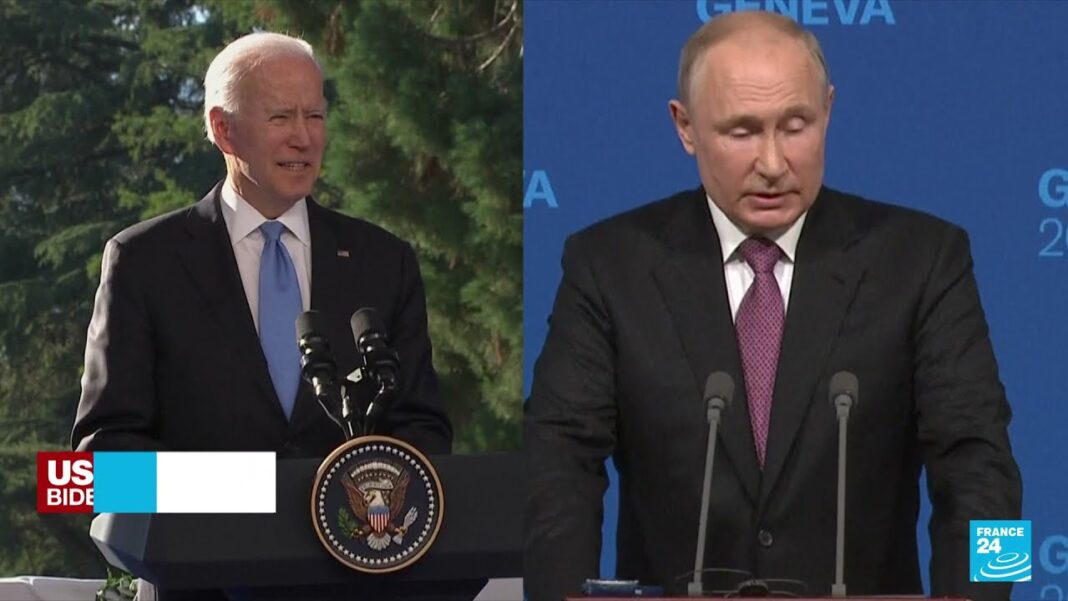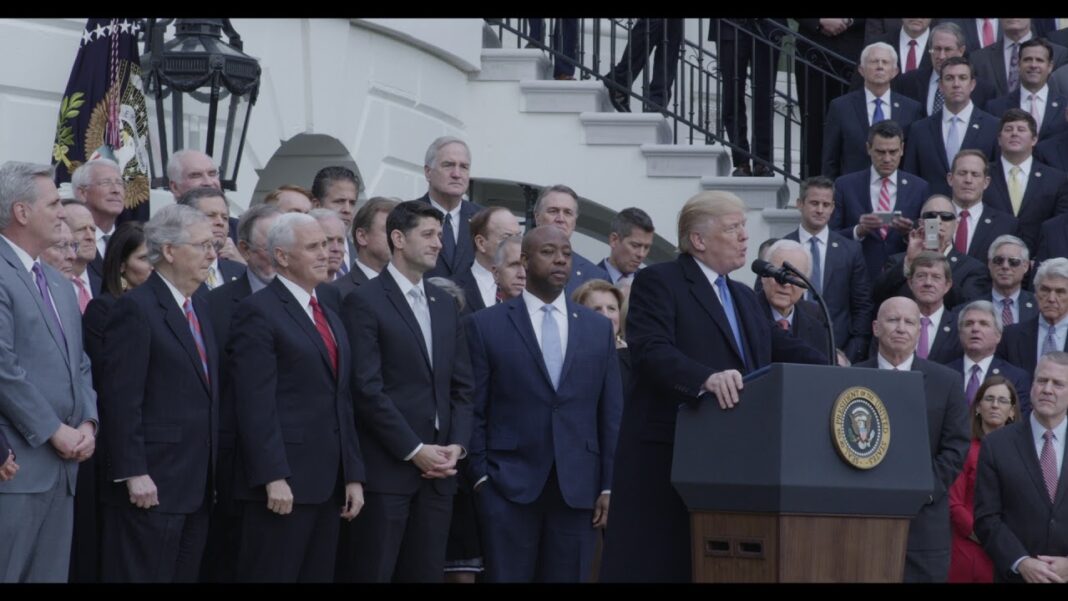
On Nov. 12, a federal appeals court suspended (pdf) the Occupational Safety and Health Administration (OSHA) order fining businesses with 100 or more employees for each employee unvaccinated against COVID-19. This is one of three vaccination mandates issued by the administration of President Joe Biden.
This case will likely go to the Supreme Court. The legal issues include at least the following:
- Does the mandate exceed the enumerated (listed) powers the Constitution grants to the federal government?
- Assuming the Supreme Court believes the statute authorizing OSHA is constitutional (which I don’t believe but the justices almost certainly do), did OSHA exceed its authority under the statute? This contains several sub-issues, including how much authority Congress may delegate to administrative agencies.
- Does the mandate deny individuals due process of law, in violation of the 5th Amendment? This question is not based on the true meaning of “due process,” but on the Supreme Court’s modern case law creating rights of privacy, autonomy, and bodily integrity.
The federal appeals court opinion touches on all three of these issues, although the part most relevant to due process doesn’t actually mention the phrase “due process.”
It would require a short book to analyze these issues in detail. So this essay focuses only on the first: Does the mandate exceed the enumerated powers the Constitution grants the federal government? And what are the chances the Supreme Court will strike down the mandate on that basis?
Reader alert: The discussion below gets technical.
It’s an axiom of American constitutional law—to which the Supreme Court at least gives lip service—that federal officers and entities have only the authority the Constitution grants them. Congress created and authorized OSHA, so the agency can’t exceed the powers the Constitution grants Congress.
In defending the mandate, the U.S. Department of Justice will argue that at least two constitutional provisions justify it. The first is the Commerce Clause:
“The Congress shall have Power … To regulate Commerce with foreign Nations, and among the several States, and with the Indian tribes ….” (Article I, Section 8, Clause 3)
The other is the Necessary and Proper Clause:
“The Congress shall have Power … To make all Laws which shall be necessary and proper for carrying into Execution the foregoing Powers ….” (Article I, Section 8, Clause 18).
When you put these two together and clean up the ellipses and archaic typography, you get the following:
The Congress shall have power (1) to regulate commerce with foreign nations, among the states, and with Indian tribes and (2) to make all laws which shall be necessary and proper for carrying that power into execution.
This is the Commerce Power (pdf).
Lawyers and courts (including the appeals court issuing the Nov. 12 stay) often refer to the Commerce Power as the Commerce Clause. But that is inexact. There are two components to the Commerce Power, and the Commerce Clause component is actually the less important one (pdf).
The Commerce Clause grants Congress authority to govern mercantile trade and various related activities, such as negotiable instruments, navigation, and marine insurance. But it excludes other economic activities such as manufacturing, agriculture, and mining, and it also excludes non-economic activities. Until 1944, “commerce” was understood to exclude most forms of insurance. But that year, the Supreme Court—in an extraordinarily specious decision (pdf)—reversed precedent and ruled that “commerce” encompassed insurance of all kinds (pdf).
By Rob Natelson