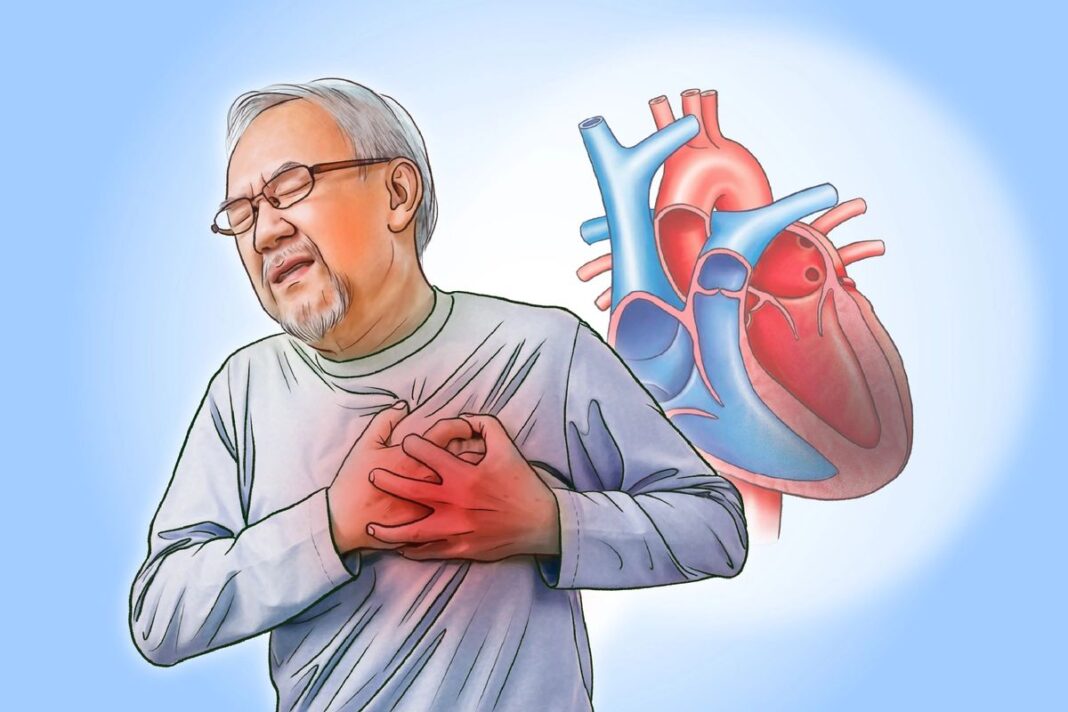


Heart disease affects millions of people, but many of its causes are preventable.
Heart disease is the leading cause of death in both males and females. However, heart disease is not just one condition—it is an umbrella term that includes various disorders affecting the heart’s structure or function, each potentially arising from different underlying causes.
Natural approaches can make a real difference. By combining lifestyle changes, dietary strategies, and complementary therapies, you can reduce your risk.
What Are the Types of Heart Disease and Their Causes?
Different types of heart disease have specific causes, such as:
Coronary Artery Disease
Affecting around 5 percent of American adults aged 20 and older, it is the most common type of heart disease. It develops when plaques—made up of fat, cholesterol, and other substances—build up in the arteries. If a plaque ruptures, the body forms a blood clot to repair it, which can block the arteries supplying oxygen-rich blood to the heart muscle and trigger a heart attack or cardiac arrest.
Arrhythmias
Heart rhythm disorders occur when the heart beats too fast, too slow, or irregularly. The heart’s rhythm is controlled by electrical signals that coordinate how quickly and regularly it beats. When these signals are disrupted—either because the nerve cells that produce them malfunction, the signals do not travel properly, or another part of the heart starts sending competing signals—an irregular heartbeat can occur. Certain arrhythmias can be serious or even life-threatening, such as atrial fibrillation.
Cardiomyopathy
A disorder of the heart muscle that causes it to enlarge or stretch, reducing the heart’s ability to pump blood effectively and sometimes leading to abnormal heart rhythms.
Heart Valve Disease
Occurs when one or more heart valves do not open or close properly. It can be congenital or acquired later in life, and its exact cause is not always known.
Myocarditis and Pericarditis
Myocarditis occurs when the heart muscle becomes inflamed, while pericarditis is inflammation of the thin, protective sac surrounding the heart. These conditions can be caused by viruses, bacteria, fungi, or parasites. Viruses are the most common cause. They can infect the heart muscle and trigger an immune response that leads to inflammation.
Generally, the risk of heart disease increases with age. Men tend to develop it earlier than women, who are more likely to experience heart problems later in life. People with a family history are also at higher risk.
Key risk factors shared by many different types of heart disease include:
Lifestyle Risk Factors
These factors are largely manageable and present an opportunity for risk reduction.
- Unhealthy Diet: A diet high in refined carbohydrates, unhealthy fats, and salt can contribute to increased cholesterol levels and elevated blood pressure.
- Sugary Drinks: A January study found that drinking sugary beverages may be connected to about 1 in 10 new Type 2 diabetes cases and 1 in 30 new cardiovascular disease cases.
- Insufficient Physical Activity: Lack of regular exercise can increase the likelihood of high blood pressure, high cholesterol, and excess body weight—all of which are risk factors.
- Excess Body Weight: Increases the likelihood of developing diabetes and high blood pressure.
- High Levels of Stress: Are linked to an increased risk of cardiovascular events in people with a history of social isolation, childhood abuse, or trauma. Stress activates brain regions such as the amygdala, setting off hormonal and immune reactions that raise blood pressure, cause inflammation, and speed up plaque buildup in arteries—factors that can lead to heart attacks and other heart problems.
- Type A Personality: Is characterized by high levels of competitiveness, urgency, and hostility, often combined with a strong drive to achieve. The Type A behavior pattern was first described in the 1950s by cardiologists Meyer Friedman and Ray Rosenman, who suggested that it could be a significant risk factor for coronary heart disease. Free-floating hostility—easily triggered anger—is a key feature of the Type A behavior pattern, and anger and hostility are linked to coronary artery disease, heart attacks, arrhythmias, and an increased risk of sudden cardiac death.
- Tobacco Use: Is a major risk factor, as smoking and vaping can damage and constrict blood vessels.
- Heavy Alcohol Intake: Can raise cholesterol and blood pressure levels and lead to weight gain.
- Illegal Drug Use: Negatively affects the cardiovascular system, causing issues from irregular heartbeats to heart attacks.
- Artificial Light: Exposure at night to artificial light disrupts the body’s natural circadian rhythms—mainly by suppressing melatonin secretion—which can increase heart rate, inflammation, insulin resistance, and artery plaque buildup. This disruption can ultimately raise the long-term risk of cardiovascular diseases such as heart attack, heart failure, and atrial fibrillation.
- Air Pollution: Long-term exposure to air pollution is associated with a higher risk of stroke and coronary heart disease.
- COVID-19 Vaccines: Myocarditis and pericarditis are recognized as rare yet serious side effects of COVID-19 vaccination. A 2023 study found that myocarditis can sometimes occur within a week after receiving mRNA COVID-19 vaccines, especially in men under 40. According to an October study, most pericarditis cases are mild and resolve on their own, but some people experience recurrent or hard-to-treat inflammation that requires longer-term care.
Medical Conditions
Several medical conditions can contribute to the risk of heart disease. While not entirely controllable, many can be managed with proper medical care.
- High Blood Pressure: Is a major risk factor for cardiovascular disease; when elevated, it can damage blood vessels.
- High Cholesterol: Can narrow blood vessels and raise the risk of blood clots.
- Diabetes: Raises blood sugar levels, which can damage and narrow blood vessels. It also often occurs alongside excess body weight.
- Sleep Apnea: Increases the risk of heart failure by 58 percent and coronary heart disease by 30 percent.
- Chronic Kidney Disease: Reduces kidney function and shares many risk factors with heart disease. It can also cause hypertension, which in turn raises cardiovascular risk.
- Metabolic Syndrome: Is a cluster of conditions—including high blood pressure, high blood sugar, unhealthy cholesterol levels, and abdominal obesity—that collectively damage blood vessels and cause plaque buildup and inflammation.
- Certain Pregnancy Conditions: Include preeclampsia, or high blood pressure during pregnancy, and gestational diabetes, which can strongly indicate a higher future risk of heart disease.
By Mercura Wang