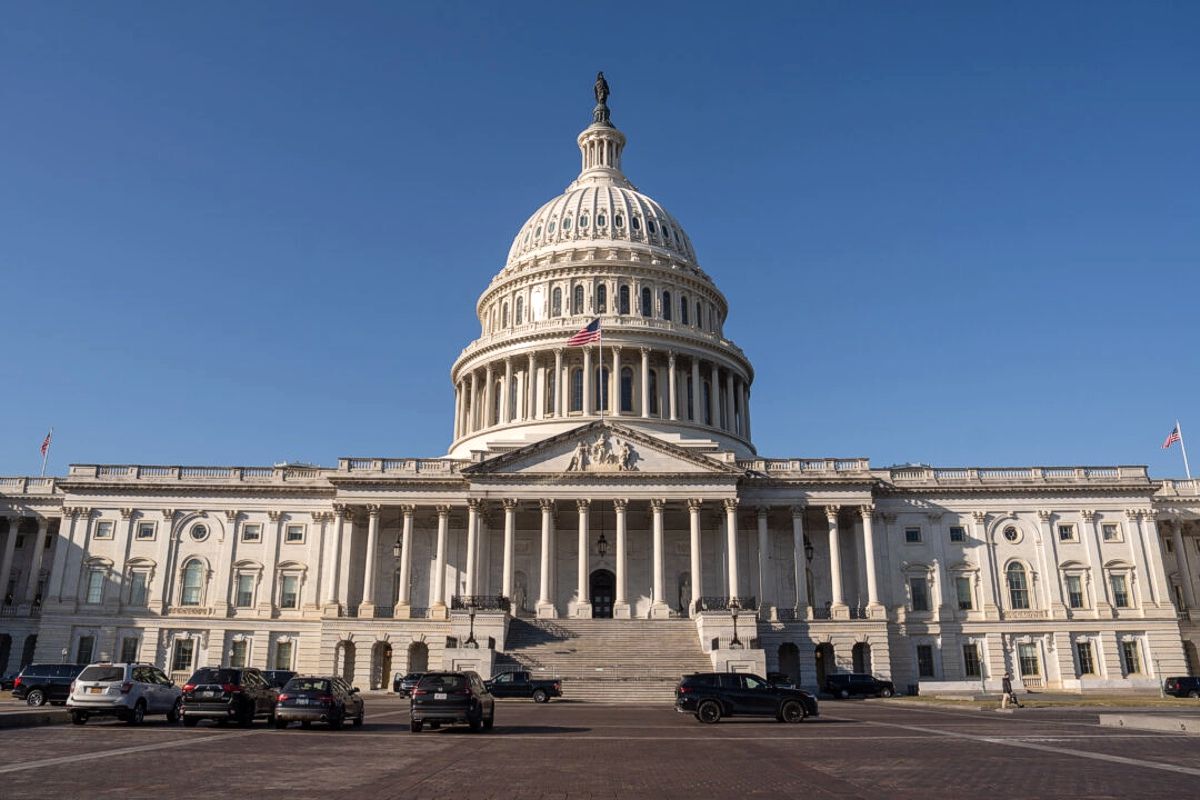


The proposed SPEED Act narrows the scope of environmental impact studies, accelerates project reviews, and trims litigation timelines.
The Republican-led House passed a permit reform bill designed to trim environmental reviews and judicial timelines for the development of federal public lands in a 221–196 vote on Dec. 18.
The Standardizing Permitting and Expediting Economic Development (SPEED) Act, co-filed in July by House Natural Resources Committee Chair Rep. Bruce Westerman (R-Ark.) and Rep. Jared Golden (D-Maine), now moves to the Senate.
The SPEED Act legislation outlines significant changes to 1969’s National Environmental Policy Act (NEPA) by largely codifying a May 2025 Supreme Court ruling that restricted the scope of environmental studies and held that approved projects should not be required to conduct new NEPA-related reviews spurred by lawsuits.
Proponents say the bill will cut red tape, reduce litigation, limit the scope of environmental reviews, and provide certainty for investors by modernizing the 56-year-old NEPA.
Opponents argue the SPEED Act bill weakens NEPA by restricting public input on projects that will affect local communities and prioritizes energy development—particularly oil and gas—paving the way for habitat destruction and unfettered pollution.
Prior to the Dec. 18 floor vote, the chamber rejected six proposed amendments as well as a motion by Rep. Susie Lee (R-Nev.) to return the measure to the House Natural Resources Committee. The vote will be among the last to be cast in 2025 as Congress adjourns for Christmas break.
A concession extracted by Freedom Caucus Chair Rep. Andy Harris (R-Md.) and Rep. Jeff Van Drew (R-N.J.) allowed the bill to advance with little debate. The caucus objected to language in the bill that prevents a presidential administration from reversing an approved permit for a project.
President Donald Trump has temporarily halted offshore wind projects in New York and Rhode Island. His administration is seeking to revisit permitting for several other wind projects that have not broken ground.
In exchange for moving the measure to the Senate for debate in 2026, the bill specifically amends agency decisions made since Jan. 20, and the caucus was assured it can negotiate with senators to further tweak language in the bill that makes it difficult for presidents to cancel permits for offshore wind energy projects.