Sticky inflation, high interest rates, and private credit are some of the risks to the U.S. economy this year.
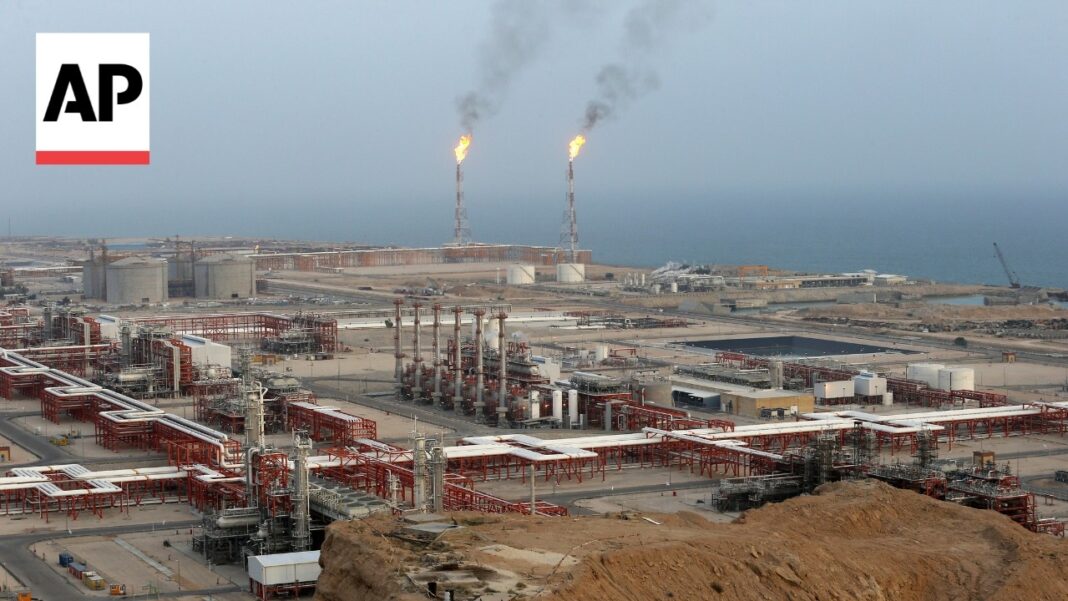
The war in Iran could bring a “skunk” to America’s economic party this year, JPMorgan Chase CEO Jamie Dimon said in his annual letter to shareholders, released on April 6.
Dimon warned that the conflict could elicit several scenarios, ranging from higher inflation to rising recession risks.
“A bad confluence of events generally causes various degrees of a recession,” Dimon said, adding that this climate can lead to higher credit losses, rising unemployment, and volatile markets.
“While the economy may be less fragile than in the past, this alone does not mean there is no ’tipping point’—it just may mean it could take more straws on the camel’s back to get there,” he wrote.
While a recession may happen in different ways, inflation could traverse various paths, he noted.
“There are some scenarios that would result in a recession, which generally reduces inflation, and other scenarios that would lead to a recession with inflation (stagflation—where inflationary forces overcome deflationary ones),” Dimon said in the 48-page letter.
“The skunk at the party—and it could happen in 2026—would be inflation slowly going up, as opposed to slowly going down. This alone could cause interest rates to rise and asset prices to drop,” he added.
U.S. stocks have faced a barrage of challenges over the past six weeks, amid fears that the Fed will not lower interest rates anytime soon due to the potential inflationary fallout from the war.
Despite a couple of the leading benchmark averages recently slipping into correction territory, U.S. equities remain high because they are typically viewed as a safe haven amid global turmoil, he added. This has insulated Wall Street from economic downturns, but a decline in stock prices can spook investors and trigger a self-reinforcing cycle of fear.
underlying vulnerabilities could soon morph into a seismic problem for the United States.
“Human nature has not changed—sentiment and confidence can change rapidly and drive the markets,” Dimon said. “Falling asset prices at one point can change sentiment rapidly and cause a flight to cash.”
Global markets have already seen some of this play out.
The greenback has been one of the top-performing assets during the six-week-old conflict. The U.S. dollar index—a measure of the buck against a weighted basket of currencies such as the Japanese yen and British pound—has strengthened by as much as 2 percent this year due to Middle East tensions.
By Andrew Moran