

The researchers found six distinct clusters pushing pro-CCP narratives.
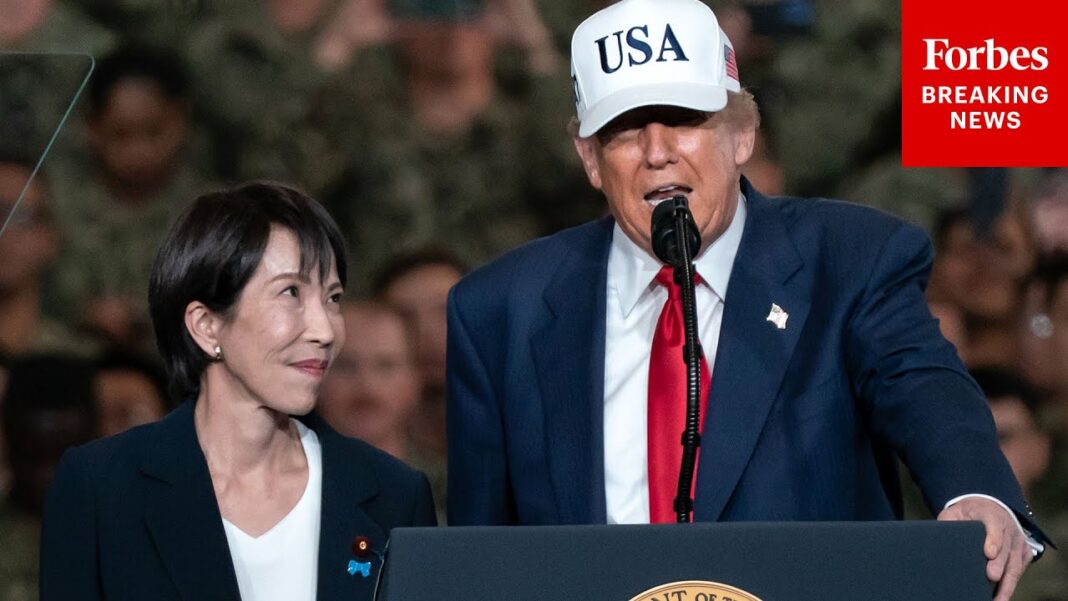
Researchers uncovered a network of more than 330 social media accounts linked to China that targeted U.S. President Donald Trump, Japanese Prime Minister Sanae Takaichi, human rights organizations, and other countries to push pro-Chinese Communist Party (CCP) narratives, according to a Feb. 26 policy brief.
The Foundation for Defense of Democracies (FDD) discovered the network coordinating to push these narratives between December 2025 and February 2026 across X, YouTube, Tumblr, Blogspot, and Quora.
The researchers identified six “clusters” of accounts that focused on different narratives, which tended to attack political figures seen as acting against the CCP’s interests.
The largest nexus included 151 accounts that targeted audiences in the United States, including ones posing as American citizens and criticizing Trump’s policies, such as claiming that he had caused or worsened the fentanyl crisis. Notably, accounts with few or no followers made posts that generated thousands of replies, part of what researchers say is an “inauthentic amplification network.”
“This tactic is used to manipulate platform algorithms into pushing content into the feeds of real users,” according to the brief.
Another cluster attacked Takaichi ahead of the Japanese election, portraying her as “corrupt and militaristic.”
A separate cluster of activity targeted Uyghur activists and promoted anti-Uyghur sentiments among Canadian and Japanese users. The CCP has persecuted the Uyghur minority in Xinjiang for years, in what the United States has designated a genocide. The Chinese regime has conducted mass surveillance and forced labor of Uyghurs, and there is emerging evidence of forced organ harvesting of the group.
Another narrative accused U.S. organizations of “collusion” with Taiwan and payouts to undermine China while denying the CCP’s human rights abuses.
Another cluster accused the United States of interfering with Honduran elections, and another amplified criticism and supported protests of the Philippine president.
In some cases, the inauthentic accounts adopted names and images similar to those of official organizations, such as U.S. agencies.
“Collectively the accounts manipulate recommendation algorithms to push their narratives on unsuspecting social media consumers,” the FDD policy brief reads.