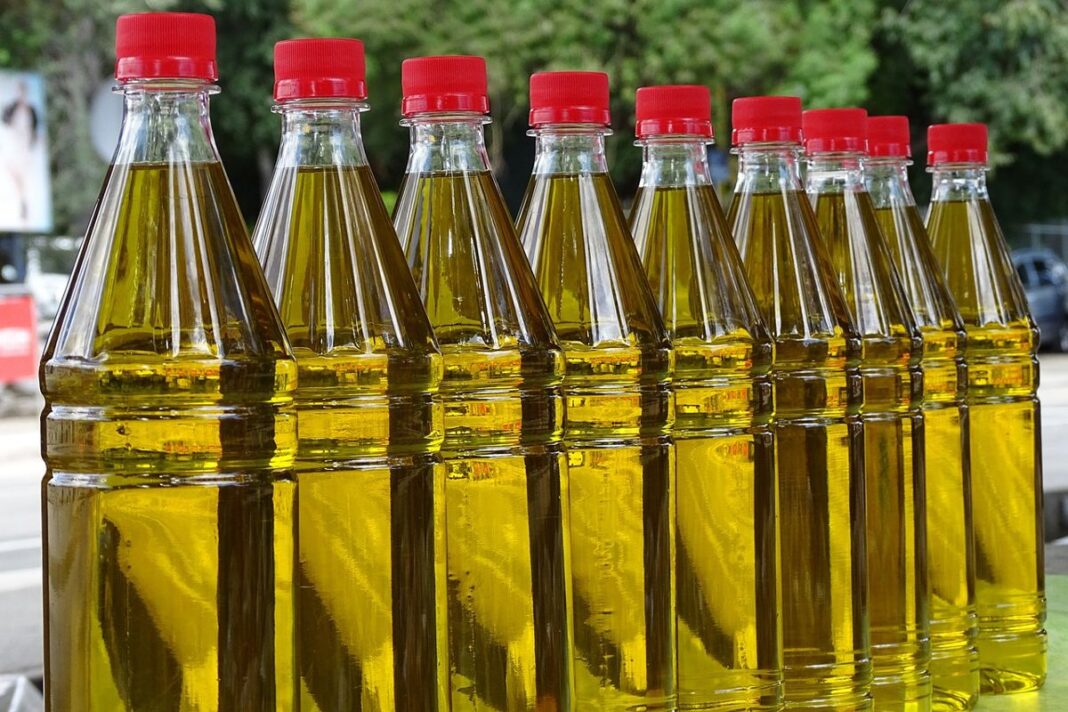



From salad dressings and fast food to protein bars and even baby formula, seed oils are almost impossible to avoid.
Every decade has a new food enemy. First, it was fat. Then, it was sugar. Now, seed oils are under fire—blamed for causing obesity and chronic disease.
They’re almost impossible to avoid. Seed oils are in everything—from salad dressings and fast food to protein bars and even baby formula. Critics claim they’re harmful, while supporters argue they’re safe, affordable, and even good for you.
However, the truth is more nuanced. The debate is often oversimplified. Even the term “seed oil” is misleading, lumping together oils that have been part of traditional diets for centuries with those created for large-scale food production.
At its core, the controversy isn’t just about whether seed oils are inherently good or bad—it’s about how they’re processed and consumed.
What Are Seed Oils, Really?
If you’ve been following health trends, you’ve probably heard claims that seed oils are toxic and should be avoided. What exactly are seed oils, and why do some people consider them harmful?
At their most basic, seed oils are extracted from seeds. This might seem harmless—after all, olive oil comes from olives, and coconut oil from coconuts.
But not all seed oils are the same. Some, like sesame and flaxseed oil, have been integral to traditional diets for centuries and are extracted through natural, cold-press methods that preserve their nutrients and antioxidants.
Others, however, are highly processed. Industrial seed oils—like soybean, corn, canola, sunflower, safflower, cottonseed, grapeseed, and rice bran—are mass-produced through high-heat extraction and chemical refining.
Manufacturers frequently use solvents like hexane to extract the maximum amount of oil. These oils are refined, bleached, and deodorized, earning them the label “RBD” oils. This process makes them neutral in taste and more shelf-stable, but it also removes beneficial compounds like vitamin E and antioxidants.
Many industrial seed oils were never intended for human consumption. Canola oil began as rapeseed oil, primarily used as a machine lubricant until Canadian scientists modified it in the 1970s to remove toxic compounds. The name itself—a blend of “Canada” and “oil”—was a marketing invention. “Vegetable oil” is another misleading term—it’s often a blend of industrial seed oils marketed to sound healthier than it is.
Cate Shanahan, a Cornell-trained physician-scientist specializing in dietary fats, explains that industrial seed oils were not developed with nutrition in mind.
“The crude oil from these seeds is inedible,” she told The Epoch Times. “Soy and canola weren’t bred for nutrition—they were bred for high yields and industrial durability.”
Most soy grown in the United States isn’t intended for human consumption at all. According to the United States Department of Agriculture, more than 70 percent of U.S. soybeans are used for animal feed, while another 5 percent is processed into biodiesel. What remains is primarily refined into soybean oil—a product stripped of much of the soy plant’s original nutritional value.
Additionally, more than 90 percent of American soy is genetically modified to withstand herbicides like glyphosate, allowing farmers to spray entire fields without harming crops. This high-intensity farming, combined with heavy industrial processing, results in oil far removed from its original form.
Unlike traditional oils such as olive or sesame, which retain their natural antioxidants, industrial seed oils require extensive refining to become shelf-stable. Shanahan argues that this process removes beneficial compounds, making them more prone to oxidation and degradation.
“What works for machines doesn’t always work for humans,” Shanahan said.
By Sheramy Tsai