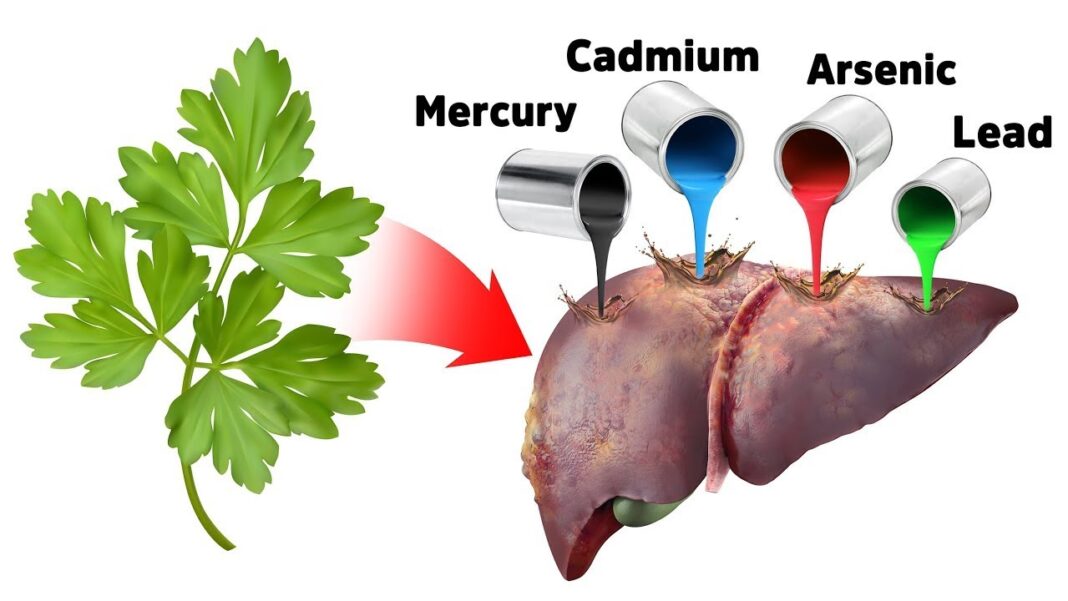


Heavy metals hidden in everyday food, cookware, and old homes may be quietly eroding your health.
A woman in her 50s had multiple dental mercury amalgam fillings placed during childhood—the routine treatment at a time when dental care offered few alternatives. Although durable, the fillings can be a source of chronic mercury exposure.
Decades later, she had the amalgams removed by a dentist who was not trained in safe removal protocols. During drilling, toxic mercury vapor was released and rapidly absorbed through her oral cavity into her brain and nervous system.
Soon after, devastating symptoms emerged: sudden, profound memory loss, chronic insomnia, emotional turmoil, and roving, electric-shock-like neuropathic pain. Her immune system weakened sharply, leading to frequent illnesses, loss of appetite, and an inability to perform everyday activities. Her life unraveled.
The consequences extended beyond the patient—the treating dentist also suffered health complications from the unprotected exposure to mercury vapor.
Mercury: Acute and Chronic Hazards
Dr. Lin Shao-zhen, a neurologist and director of Pinxin Clinic, presented the above mercury-poisoning case—the most severe she has ever handled—to raise public awareness of the hidden dangers of mercury exposure.
In an episode of “Health 1+1” on NTD, a sister outlet of The Epoch Times, Lin recommended that people with mercury amalgam fillings should seek treatment only at dental clinics equipped with professional mercury-removal tools and staffed by trained practitioners.
For physicians, Lin suggested optimizing a patient’s nutritional status before proceeding with mercury removal. This ensures normal liver and kidney function and builds sufficient antioxidant capacity, thereby minimizing heavy metal damage during the procedure.
In addition to acute poisoning, chronic mercury overload is equally dangerous, potentially triggering a range of symptoms, including chronic pain, autoimmune disorders, insomnia, tremors, and impairments in liver or kidney function and blood sugar regulation. In children, mercury exposure may increase the risk of attention-deficit/hyperactivity disorder and learning difficulties.
Beware Heavy Metals in Fish
The adage claims that “eating fish boosts brainpower,” however, Lin said that selecting the wrong species can have the opposite effect—potentially harming memory and brain function. Environmental mercury enters the food chain via plankton, she said. Small fish accumulate it first, and concentrations rise dramatically with each step up the trophic ladder. As a result, large predatory species such as tuna, swordfish, and shark harbor the highest levels of methylmercury—the form most toxic to the nervous system.
Many mistakenly assume that heavy metals concentrate mainly in a fish’s head, skin, or organs; however, Lin said they primarily accumulate in the muscle tissue—the flesh we most often eat. By comparison, the skin is relatively safe, whereas organs tend to retain mostly inorganic mercury.
Occasionally eating large predatory fish poses little risk for most adults. However, Lin urged pregnant women and children to avoid them entirely. Safer choices are small fish about the size of an adult’s palm—lower on the food chain, they contain far less accumulated heavy metals.
By Shan Lam and JoJo Novaes