

The Islamic Republic is in a very fluid situation.
News Analysis
With 37 years in power, speculation over who could replace Ali Khamenei as head of the Islamic Republic of Iran had developed a narrative of its own, with names ranging from his cleric son to former presidents and even a leadership council.
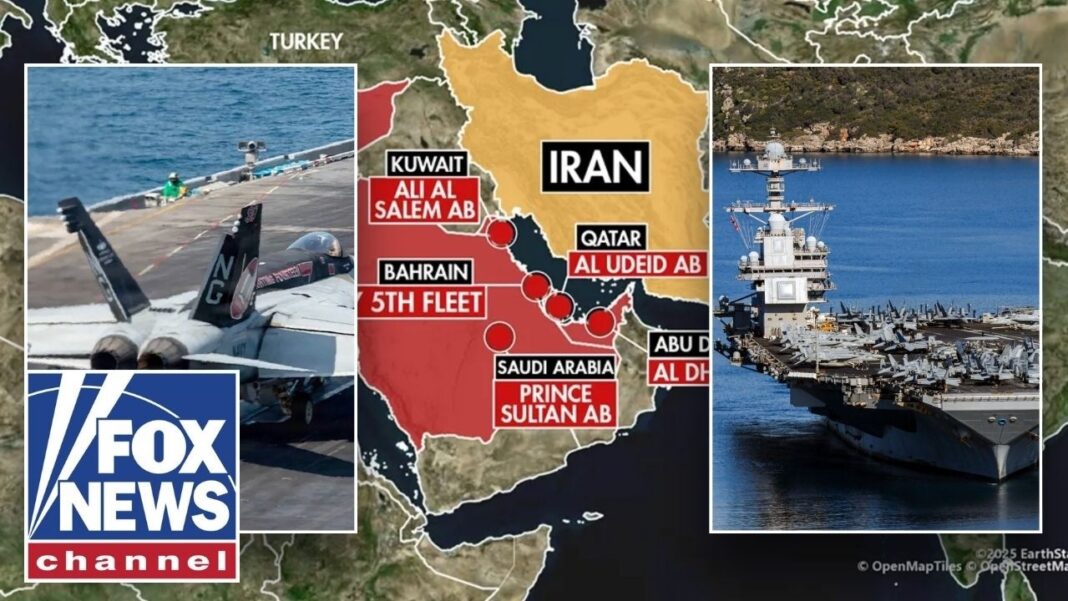
But with a U.S.–Israel strike incapacitating the regime by taking out key sites and figures, starting with Khamenei himself on day one, the situation is too fluid to speculate about who could assume the leadership and who the real power brokers now are, analysts told The Epoch Times. Any candidates could be eliminated in the barrage of strikes, or the regime itself may fall, they said.
Although the situation is evolving rapidly, some probable scenarios are emerging regarding who the regime may rely on in the interim and how the leadership role may be structured.
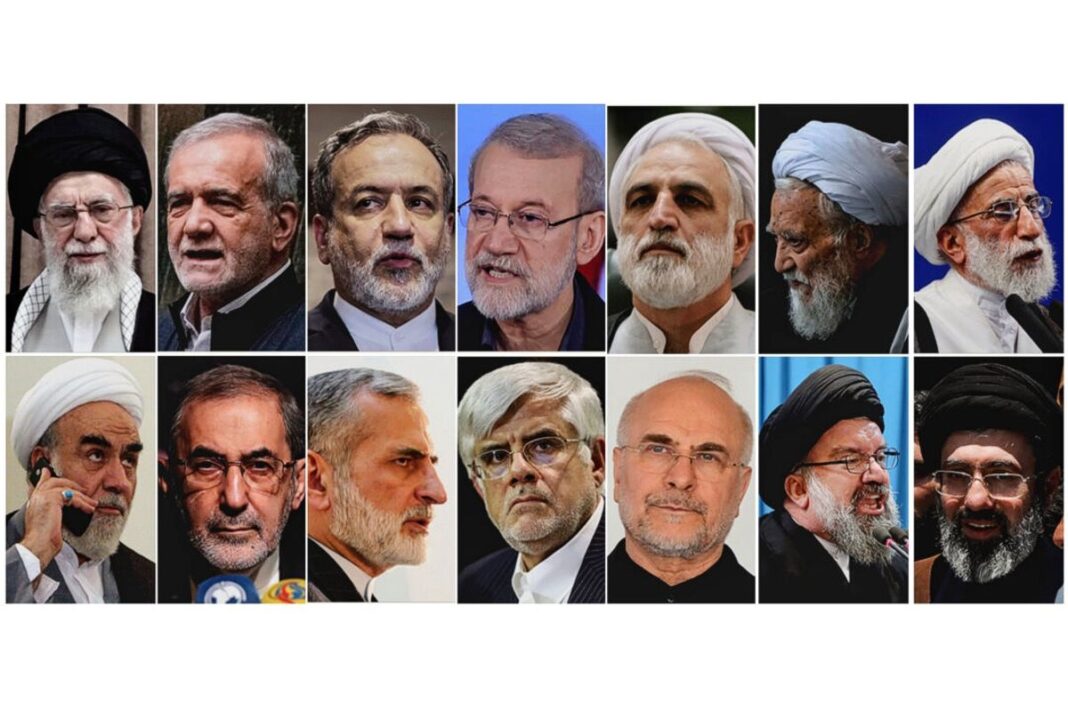
Officially, the leadership role for now is held by the three-person Interim Leadership Council, composed of President Masoud Pezeshkian, Chief Justice Gholam-Hossein Mohseni-Eje’i, and Guardian Council member Alireza Arafi, as required by the Islamic Republic’s constitution.
But there is speculation that other behind-the-scenes figures and organizations could be making the key decisions, especially when it comes to U.S. negotiations to ensure the regime’s survival. The joint U.S.-Israel strike on Iran was launched on Feb. 28 after multiple rounds of talks on Iran’s nuclear program failed.
Khamenei’s Decades in Power
The multiple assemblies and councils within the power structure of the Islamic Republic, along with a network of powerful organizations—led by the Islamic Revolutionary Guard Corps (IRGC), which extends its reach into all aspects of society from business to politics—mean there is no shortage of regime insiders who could fill key roles.
But Khamenei had firmly established his grip on the regime during his decades in power, and his death leaves a significant vacuum.
“This is certainly an unrecoverable blow to the Islamic Republic,” Babak Shekarabi, an Iran affairs analyst based in Canada, told the Persian edition of The Epoch Times. “In a system such as the Islamic Republic’s, they don’t allow power to be transferred in an effective way. In other words, Khamenei never allowed it to happen.”
Belgium‑based political analyst Saeed Bashirtash says that both the ongoing strikes and the Islamic Republic’s structure mean that no one can effectively replace Khamenei.
“It took Khamenei himself many years to solidify his power after becoming leader,” Bashirtash told the Persian edition of The Epoch Times.
Khamenei became the guardian of the Islamic jurist—the official title of Iran’s supreme leader—in 1989 after the death of the regime’s founding leader, Ayatollah Ruhollah Khomeini. The doctrine of the guardianship of the Islamic jurist holds that a qualified Shi’ite cleric should wield ultimate authority over state affairs, giving the leader supreme power over the nation.
Before becoming leader, Khamenei had been the third post-1979 Islamic revolution president of Iran under Khomeini. Shortly after assuming leadership, his religious rank was swiftly elevated, a move contested by some established clerics.
Like his predecessor, he imprisoned and executed opponents of the regime. And like him, he sidelined regime insiders who might have threatened his hold on power. Some of these moves were overt, such as the house arrest of former Prime Minister Mir-Hossein Mousavi, who contested the 2009 presidential election results.
Speculation about purges behind the scenes however, is nearly limitless, given the opaque nature of authoritarian regimes. Rumors have circulated over whether founding leader Khomeini’s son, Ahmad Khomeini, died of natural causes at age 49 or was targeted as a potential leadership rival, with similar speculation surrounding figures such as long-time regime power broker and former President Akbar Hashemi Rafsanjani.
Read Full Article on TheEpochTimes.com
Featured Photo Description:
This combo of file photos show Iran’s key political and religious figures, top row, from left, Supreme Leader Ayatollah Ali Khamenei (now deceased), President Masoud Pezeshkian, Foreign Minister Abbas Araghchi, Secretary of the Supreme National Security Council of Iran Ali Larijani, Chief Justice Gholam Hossein Mohseni Eje’i, Head of Assembly Experts Mohammad-Ali Movahedi Kermani, and Secretary of Guardian Council Ahmad Jannati. Bottom row, from left, Khamenei’s Chief of Staff Mohammad Golpayegani, Khamenei Adviser on International Affairs Ali Akbar Velayati, Khamenei Adviser on Foreign Policy Kamal Kharazi, First Vice President Mohammad Reza Aref, Parliament Speaker Mohammad Bagher Ghalibaf, Tehran Friday Prayer Imam Ahmad Khatami, and Khamenei’s son Mojtaba Khamenei. AP Photo/File