World leaders head to Switzerland for high-stakes talks, as AI investment fuels optimism but geopolitical tensions darken the mood.
The Swiss alpine town of Davos opened its doors to the World Economic Forum’s 56th annual meeting on Jan. 19, with a steady stream of business and political leaders arriving for a week of closed-door talks and high-profile panel sessions, set against a shifting global economic outlook and rising geopolitical strains.
Organizers said this year’s meeting, running through Jan. 23 under the theme “A Spirit of Dialogue,” is among the most senior gatherings in the forum’s history, featuring a record roster of political leaders alongside top executives and investors.
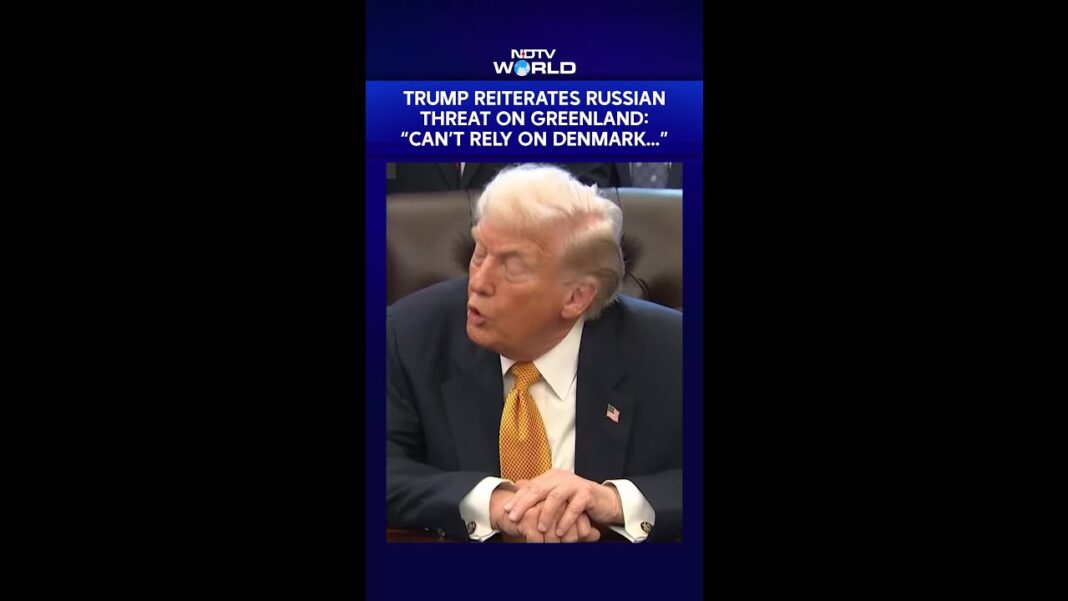
The World Economic Forum (WEF) said it expected a record 400 top political leaders, including close to 65 heads of state and government and six leaders from the Group of Seven, as well as nearly 850 CEOs and chairs and close to 100 unicorns and technology pioneers. U.S. President Donald Trump is slated to take part, and organizers said the delegation from the United States will be the largest in Davos history.
“We’re pleased to welcome back President Trump to Davos, and he’s bringing the largest U.S. delegation,” WEF President and CEO Borge Brende said, noting that special envoy Steve Witkoff and Trump’s son-in-law Jared Kushner are also planning to participate, in addition to a large bipartisan delegation from the U.S. Congress.
The WEF has framed this year’s agenda around five broad challenges: cooperating in a contested world, unlocking new sources of growth, investing in people, deploying innovation responsibly, and building prosperity within planetary boundaries. Organizers have described the meeting as a platform for dialogue at a time of rising fragmentation, increasing complexity, and rapid technological change.
“Dialogue is not a luxury, it is a necessity,” Brende said, highlighting the forum’s long-running argument that engagement across governments and industries is essential even as global rivalries sharpen.
“It’s really going to be a discussion at a very important moment. … Geopolitics is changing,” Mirek Dusek, a forum managing director in charge of programming, said. “Some people think we’re in a transition. Some people think we’ve already entered a new era. But I think it’s undeniable that you are seeing a more competitive, more contested landscape.”
Trump’s expected attendance at the global forum is likely to highlight that tension.
By Tom Ozimek