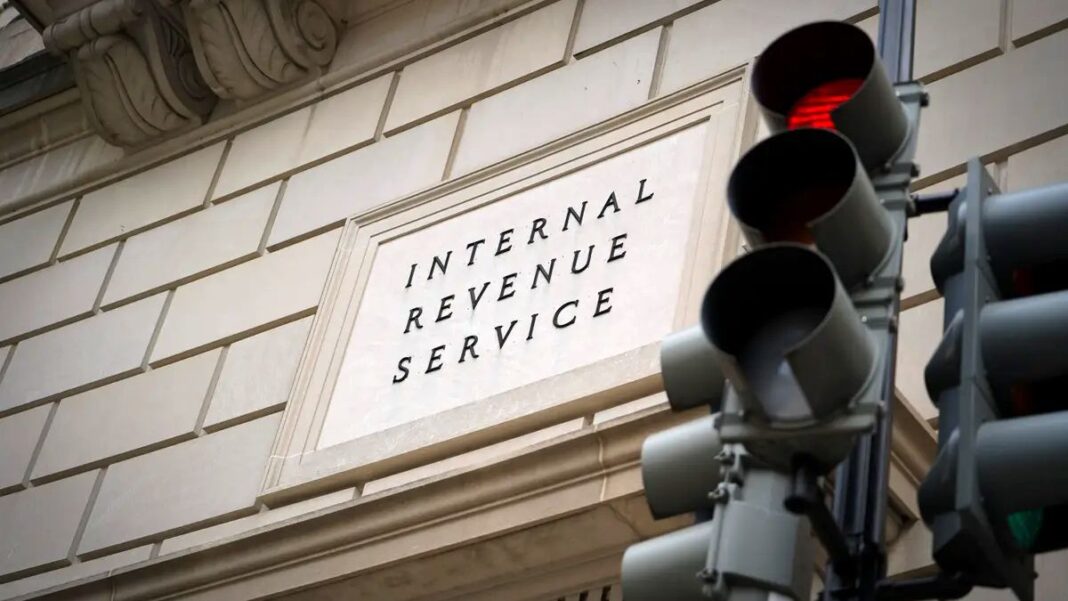


Scammers can impersonate the IRS to dupe taxpayers, with the agency reporting more than 600 instances of social media impersonations during FY 2025.
The IRS and the Social Security Administration (SSA) issued warnings on March 5 about various scams targeting Americans and how to identify such fraud.
The IRS released its annual “Dirty Dozen” list of tax scams for 2026 that pose a threat to the tax and personal information of individuals, businesses, and tax professionals, the agency said in a March 5 statement. The list details 12 key scams to watch out for, including impersonation fraud, identity theft, and malware campaigns.
The SSA specifically warned about impersonation scams targeting U.S. citizens in another statement on Thursday.
The agencies released their warnings as part of the seventh annual “Slam the Scam” day on March 5.
Impersonation Scams
The IRS listed two types of impersonation scams that target taxpayers. The first involves fraudsters impersonating the IRS via email and text.
“Scammers send emails, direct messages (DMs), and texts that appear to be from the IRS, often using alarming language and QR codes that direct taxpayers to fake IRS websites to ‘verify’ accounts, enter personal information, or claim refunds,” the agency said.
“The IRS urges taxpayers not to click links or open attachments from unexpected messages and to report suspicious IRS-related emails, DMs, and texts. The IRS reported over 600 social media impersonators during fiscal year 2025.”
The second fraud involves scammers using artificial intelligence to impersonate the IRS via phone through robocalls, voice mimicry, and spoofed caller IDs.
The agency reminded taxpayers that it typically contacts them by mail first. Moreover, the IRS does not leave any “urgent, threatening prerecorded messages, call to demand immediate payment, or threaten arrest,” it said.
In its statement, the SSA said that Social Security impersonation scams cost Americans hundreds of millions of dollars annually. In government impostor scams, fraudsters falsely claim to represent the SSA or other federal agencies to steal personal information.
Last year, the Federal Trade Commission received 330,000 complaints of government impersonation, up by 25 percent from the previous year. The SSA remains one of the “most frequently targeted agencies” by impersonation scammers, the agency said.