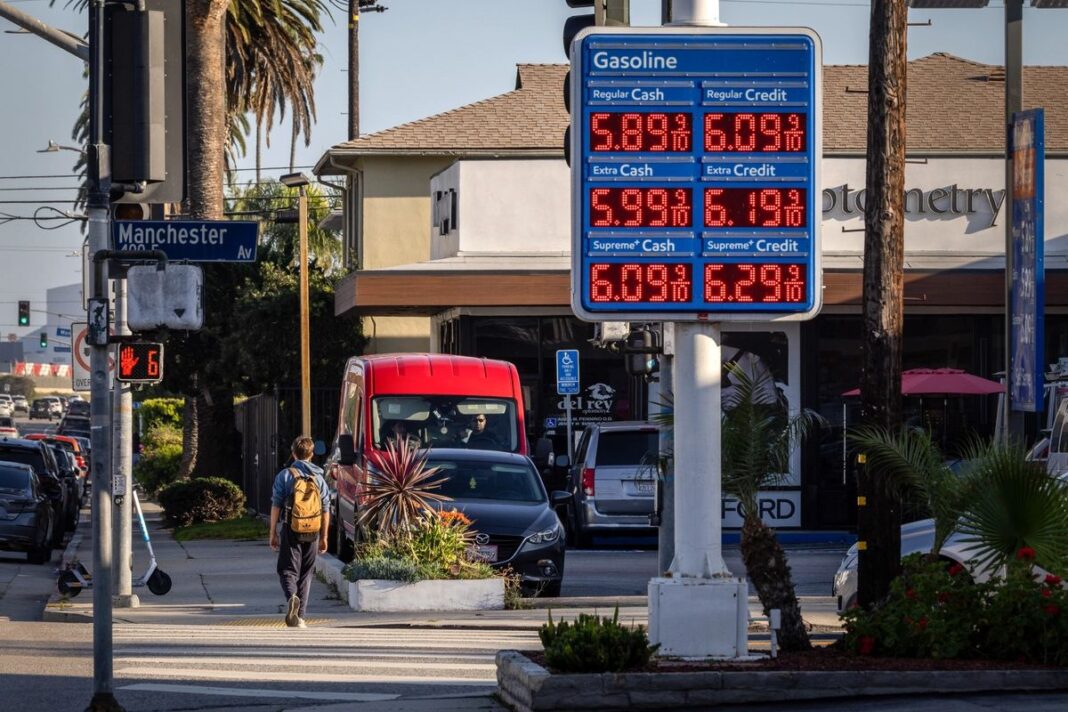
The diplomatic setback unfolds alongside military pressure and maritime disruption affecting global energy flows.
Iranian Foreign Minister Abbas Araghchi left Pakistan for Oman on Saturday without meeting U.S. negotiators. Araghchi met senior Pakistani officials in Islamabad, even as U.S. President Donald Trump abruptly canceled a planned visit by his envoys.
Iranian state-affiliated media outlet Fars reported on April 25 that Araghchi departed Islamabad for Muscat, the second stop on his regional tour, following meetings with Pakistani Prime Minister Shahbaz Sharif and other officials.
Iran’s Foreign Ministry later confirmed that Araghchi had already arrived in Muscat, where he will meet with Omani officials for talks on bilateral relations and regional developments.
In a post on X, Araghchi described his visit to Pakistan as “very fruitful,” adding that he conveyed to Pakistani officials Iran’s position regarding a “workable framework to permanently end the war on Iran.”
“Have yet to see if the U.S. is truly serious about diplomacy,” he added.
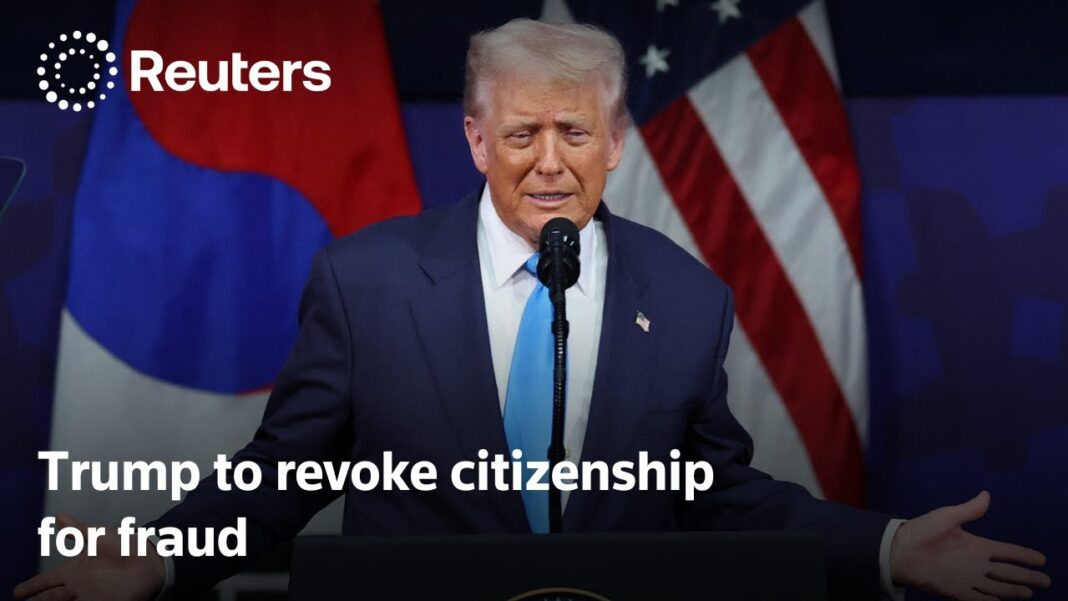
The development came as Trump said he had called off a trip by U.S. special envoy Steve Witkoff and Jared Kushner to Pakistan, citing a lack of progress in negotiations, as well as “infighting and confusion” on the part of the Iranian leadership.
“I just cancelled the trip of my representatives,” Trump wrote in a post on Truth Social. “Too much time wasted on traveling, too much work! Besides which, there is tremendous infighting and confusion within their ‘leadership.’ Nobody knows who is in charge, including them.”
Trump added: “We have all the cards, they have none! If they want to talk, all they have to do is call.”
In a phone interview with Axios reporter Barak Ravid, Trump said that the decision did not necessarily signal a return to hostilities.
“No, it doesn’t mean that. We haven’t thought about it yet,” Trump said when asked whether the move implied a resumption of the war. Araghchi’s visit to Islamabad was part of a broader diplomatic push involving Pakistan as an intermediary between Washington and Tehran, amid efforts to find a negotiated settlement to the conflict.
Video and official statements showed Araghchi meeting Sharif and Pakistani army chief Asim Munir, alongside other senior officials.
Sharif, in a post on social media, described the talks as “warm” and “cordial,” saying the two sides exchanged views on regional developments and ways to strengthen bilateral ties.
By Tom Ozimek