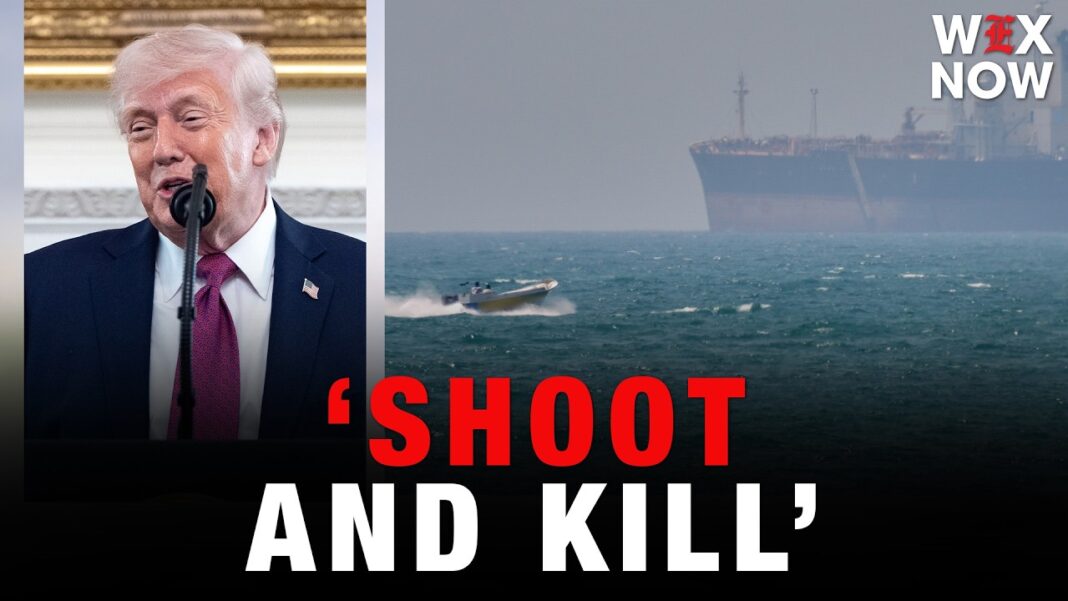
Aid officials press for emergency shipping mechanism while governments weigh the economic fallout from the choke point shutdown.
United Nations officials have warned that shipping disruptions in the Strait of Hormuz threaten one-third of the global fertilizer trade at a critical moment for spring planting in many regions and could trigger a broader food crisis unless shipments resume quickly.
The waterway’s effective closure in the aftermath of the Iran war has sent shockwaves through agricultural supply chains, energy markets, and food security planning worldwide.
“If we don’t get some solution immediately, the crisis will be very significant and severe, particularly for the poorest countries and for the poorest citizens,” Jorge Moreira da Silva, executive director of the U.N. Office for Project Services, told UN News in an interview published on April 21.
Moreira da Silva is heading a U.N. task force to facilitate the safe passage of fertilizers and related raw materials, such as urea, sulfur, and ammonia, through the Strait of Hormuz for humanitarian purposes, while broader negotiations continue.
“We can’t wait until everything has been fixed,” he said.
He said that the U.N. could make a “one stop platform” operational within seven days if parties to the conflict permit passage.
The Strait of Hormuz, between Iran and the Arabian Peninsula, is one of the world’s most important shipping routes. In ordinary conditions, roughly one-third of global fertilizer trade, 35 percent of crude oil shipments, and one-fifth of liquefied natural gas move through the corridor.
U.N. officials and economists say prolonged disruption could push fertilizer prices higher, lower crop yields, and intensify hunger in fragile regions.
The World Food Programme has estimated the disruption could push 45 million additional people into hunger and starvation, Moreira da Silva said.
He pointed to countries such as Sudan, Somalia, Mozambique, Kenya, and Sri Lanka as particularly exposed because of their heavy dependence on fertilizer imports and existing humanitarian pressures.
“The planting season has already started,” he said, noting that in much of Africa the window closes in May.
The U.N. proposal, he said, would not challenge freedom of navigation but serve as a time-limited emergency channel focused solely on fertilizer shipments.