

Insiders say Beijing is scrambling for supplies as shipping disruptions hit industry, drive up costs, and squeeze exports.
China is racing to secure alternative oil supplies after prolonged disruptions in the Strait of Hormuz. The conflict is now squeezing imports and straining key sectors of its economy, according to regime insiders familiar with the situation.
Several China-based insiders spoke to The Epoch Times on the condition of anonymity out of fear of reprisal.
Shipping Shock Ripples Through China
Officials in Beijing have internally classified the situation as an “energy crisis,” sources within the Chinese Communist Party (CCP) told The Epoch Times, prompting an urgent push to diversify crude imports away from the Middle East. The effort includes ramping up purchases from Russia and Kazakhstan while exploring new suppliers in Africa, Latin America, and even the United States.
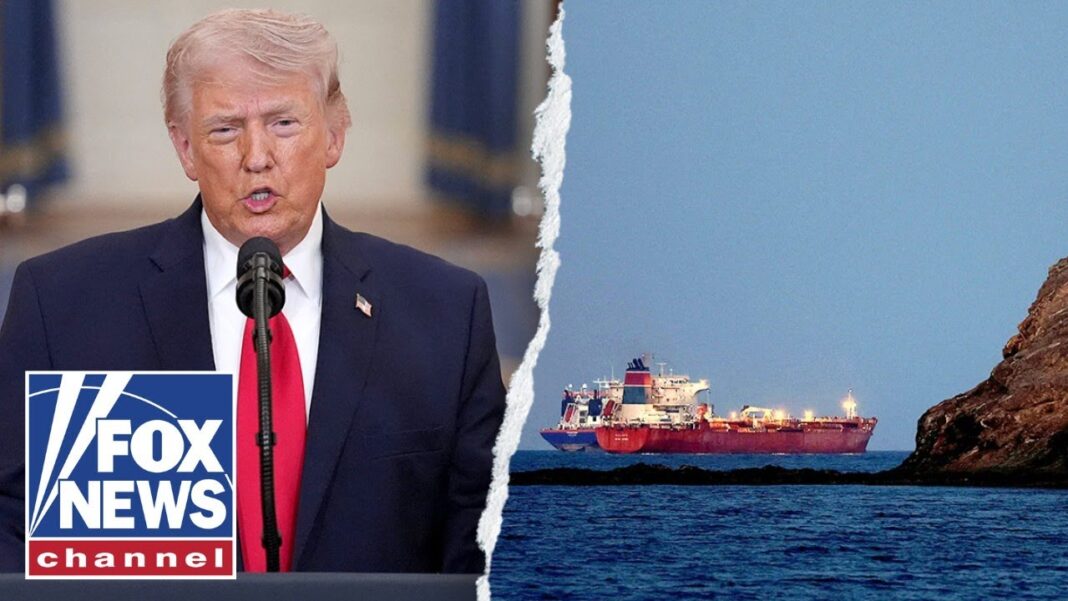
The Strait of Hormuz, which handles roughly 20 percent of the world’s oil and gas trade, has been effectively closed for more than 50 days, forcing ships to reroute and driving up transportation costs.
U.S. Central Command stated that dozens of ships have already altered course amid heightened tensions. In a statement posted on X, Central Command stated that it intercepted a vessel in the Arabian Sea on April 25 and assisted in returning it to Iran. The ship was among 19 vessels sanctioned by the United States a day earlier.
For China, the disruption is already reverberating through shipping, manufacturing, and power generation, according to a person in China’s foreign trade system who spoke to The Epoch Times. Supplies in some coastal regions are tightening, spot electricity prices are rising, and profit margins in export and industrial sectors are shrinking, the person said.
In response, Beijing has launched a broad, cross-agency effort to secure oil and gas supplies.
Multiple government bodies in China—including the Ministry of Commerce, customs authorities, and trade promotion agencies—have been tasked with leveraging their networks to identify new sources, even if energy procurement is not their primary function, the person said.
A temporary coordination group formed by the Chinese Ministry of Foreign Affairs and the Chinese Ministry of Commerce has already dispatched teams to oil-producing countries such as Kazakhstan and Russia to negotiate increased shipments, according to the same person.
An engineer at the state-owned China National Petroleum Corp. told The Epoch Times that senior CCP officials recently elevated energy security to a top priority during internal meetings, warning that disruptions are affecting both oil and gas supplies and broader trade ties.
China is now adjusting its crude import structure to reduce reliance on the Middle East.