The department had been partially shuttered for 76 days, resulting in long Transportation Security Administration lines at airports nationwide.
President Donald Trump on April 30 signed legislation ending the Department of Homeland Security (DHS) shutdown after 11 weeks.
The department had been partially shuttered for 76 days since Feb. 14, resulting in long Transportation Security Administration lines at airports nationwide.
“After 76 days, the longest government shutdown in history is over,” Homeland Security Secretary Markwayne Mullin posted on X.
“@DHSgov is back open, @ICEgov and @CBP will be funded through reconciliation (with NO Democrat votes) so liberals can’t play games with federal law enforcement funding. To be clear, this Democrat shutdown NEVER should have happened.”
Calls to pass the bill—and secure funding for presidential protection, which the Senate had already unanimously approved twice—intensified after Saturday’s shooting at the White House Correspondents’ Association dinner in Washington, where prosecutors say a man attempted to assassinate Trump.
The legislation provides funding for all of DHS except Immigration and Customs Enforcement (ICE) and Customs and Border Protection. This includes funding for agencies including the TSA, the U.S. Coast Guard, the Federal Emergency Management Administration (FEMA), and the Secret Service.
Federal employees in these agencies who had been furloughed and who have mostly gone without pay for the duration of the shutdown will return to work and receive backpay.
Funding for immigration enforcement has been separated from the main DHS funding bill, and Republicans instead plan to pass immigration funding via the reconciliation process.
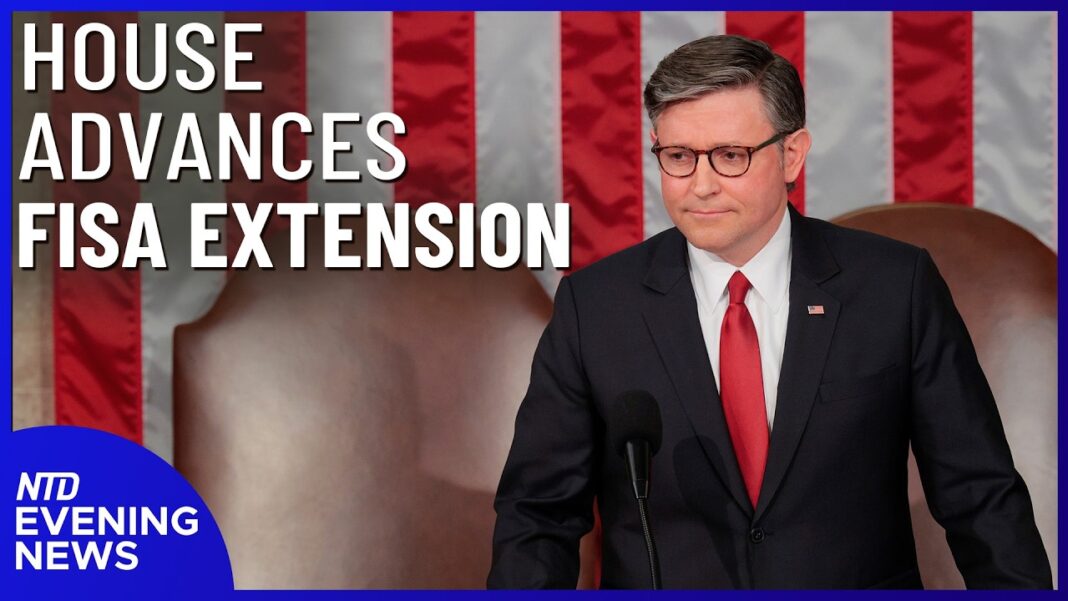
Speaker Mike Johnson (R-La.) had dismissed the legislation as a “joke” last month.
Johnson on April 30 defended the decision to delay consideration of the broader DHS bill, saying House Republicans first wanted to see progress on funding for ICE and Border Patrol.
By Jackson Richman and Joseph Lord