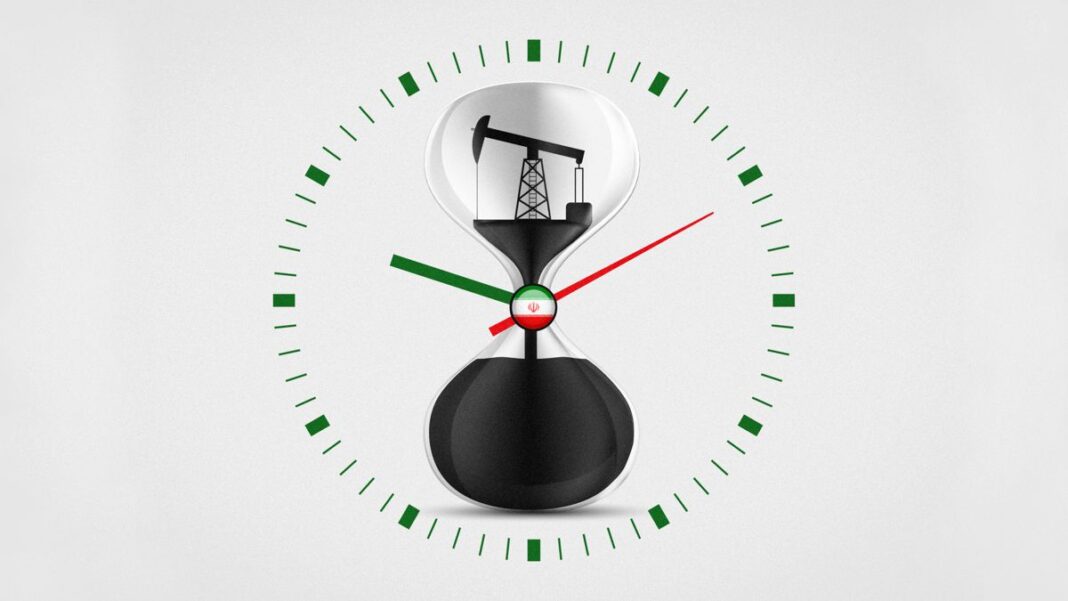
The remarks come amid a renewed diplomatic push to settle the Iran war, with markets rallying on hopes for an agreement.
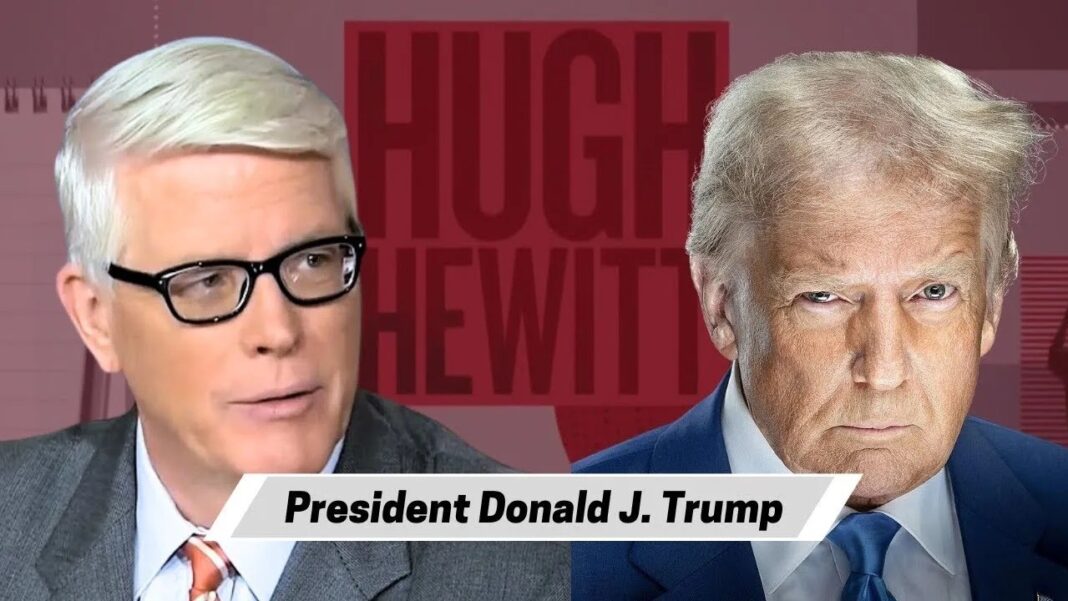
President Donald Trump warned on Wednesday that Iran would face renewed U.S. bombing “at a much higher level and intensity” if it fails to follow through on what he described as an emerging agreement to end the conflict in the Middle East.
“Assuming Iran agrees to give what has been agreed to, which is, perhaps, a big assumption, the already legendary Epic Fury will be at an end, and the highly effective Blockade will allow the Hormuz Strait to be OPEN TO ALL, including Iran,” Trump wrote in a May 6 post on Truth Social.
“If they don’t agree, the bombing starts, and it will be, sadly, at a much higher level and intensity than it was before.”
Trump’s comments came amid a renewed diplomatic push involving indirect U.S.–Iran talks mediated by Pakistan, as well as growing signs of engagement by China, where top Iranian diplomats traveled to on Tuesday for discussions on topics that included the ongoing conflict.
Earlier this week, Trump paused “Project Freedom,” the U.S.-led naval mission escorting commercial vessels through the Strait of Hormuz, saying the move was intended to create space for negotiations while keeping the broader U.S. blockade on Iranian ports in place.
Senior Israeli political officials told Epoch Magazine Israel that Jerusalem believed Trump’s decision followed signs of progress in contacts involving Iranian Foreign Minister Abbas Araghchi, though they cautioned that divisions within Iran’s leadership continued to threaten prospects for a durable agreement.
The officials said growing economic pressure from the blockade and disruption to maritime trade was intensifying unrest inside Iran and exacerbating tensions between Iranian President Masoud Pezeshkian and hardline commanders in the Islamic Revolutionary Guard Corps (IRGC).
Speaking in Beijing on Wednesday after meeting Chinese Foreign Minister Wang Yi, Araghchi said Tehran would only accept “a fair and comprehensive agreement” in negotiations with Washington.
“We will do our best to protect our legitimate rights and interests in the negotiations,” Araghchi said, according to Iranian state media. “We only accept a fair and comprehensive agreement.”
The Strait of Hormuz, through which roughly one-fifth of global oil supplies normally pass, has been effectively shut since the conflict erupted on Feb. 28 following U.S. and Israeli airstrikes on Iran.
In targeting the strategic waterway, Iran has deployed mines, drones, missiles, and fast-attack craft to menace shipping and force vessels to use an IRGC-approved corridor and pay transit tolls to Tehran. The United States has responded with a blockade of Iranian ports and, while Project Freedom was active, escorted naval transits for commercial vessels.
Trump and other administration officials have insisted that Iran cannot be allowed to control access to the strategic shipping lane.
By Tom Ozimek