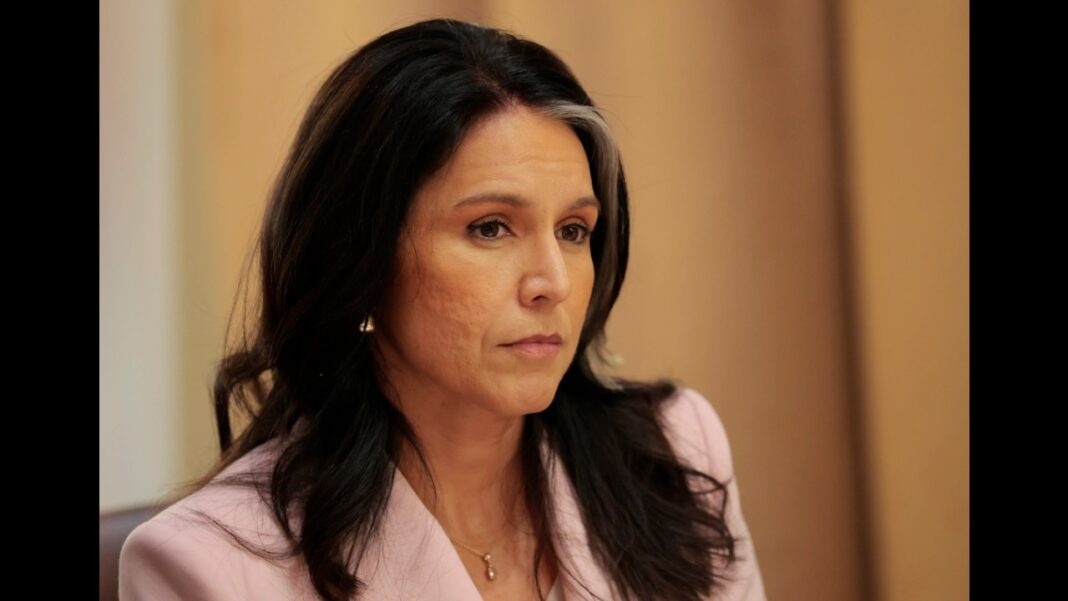
The Senate voted 54–45 to confirm his four-year term as the 17th Fed chair.
Kevin Warsh will officially become the new head of the Federal Reserve.
The Senate voted 54–45 on May 13 to confirm Warsh’s four-year term as the 17th Fed chair.
This comes a day after the upper chamber approved Warsh’s 14-year term on the central bank’s Board of Governors. He previously served on the board from 2006 to 2011.
Warsh’s ascent to chairman was one of the most partisan votes in the institution’s century-long history.
Sen. John Fetterman (D-Pa.) was the lone Democrat to vote for President Donald Trump’s pick. Other Democratic lawmakers had expressed reluctance to support Warsh’s nomination.
Prior to the floor vote, Sen. Elizabeth Warren (D-Mass.), the ranking member of the Senate Banking Committee, said Warsh could erode the Fed’s independence.
“As soon as Donald Trump became president a second time, Mr. Warsh began shouting from the rooftops that the Fed should cut interest rates. In exchange for abandoning his principles, the President offered Mr. Warsh his dream job,” Warren said.
But Warsh has reaffirmed his commitment to central bank independence, arguing that he would prefer to see the Fed return to the dual mandate of stable prices and maximum employment rather than engage in mission creep.
He also assured lawmakers that Trump never asked him to lower interest rates.
Ultimately, Warsh said, it is up to the Fed to remain independent.
“The Fed must stay in its lane,” Warsh told the committee. “Fed independence is placed at greatest risk when it strays into fiscal and social policies where it has neither authority nor expertise.”
At the same time, Warsh noted, Fed independence is not threatened when elected officials provide their opinions on monetary policy.
‘Regime Change’ of Policy and Personnel
Warsh, 56, has regularly advocated for a “regime change” of policy and personnel at the Fed.
Citing its track record over the past few years, he believes various changes are needed to restore its credibility and public trust. While he has yet to offer an official list of reforms, Warsh has alluded to different routes the institution could take moving forward.
One main issue is interest rates.
“My broad view is that interest rates need to be forward-looking,” he said.
In the past, he has supported lowering rates amid what he sees as a disinflationary climate from the artificial intelligence (AI) boom.
This could be a challenge for the incoming chairman as he grapples with brewing inflationary pressures and mixed employment conditions.
“As for policy, he enters at a time where inflation is rising, the labor market is concerned about the impact of AI and a potential spike in unemployment and three voting members have dissented about using easing language in their most recent remarks,” Jay Woods, chief global strategist at Freedom Capital Markets, told The Epoch Times in a note.
“For a Chair that wants to lower rates, he sure has his work cut out for him.”
With 11 other voting members, Warsh would need to convince several of his colleagues, including outgoing chair Jerome Powell, to loosen policy constraints.
By Andrew Moran