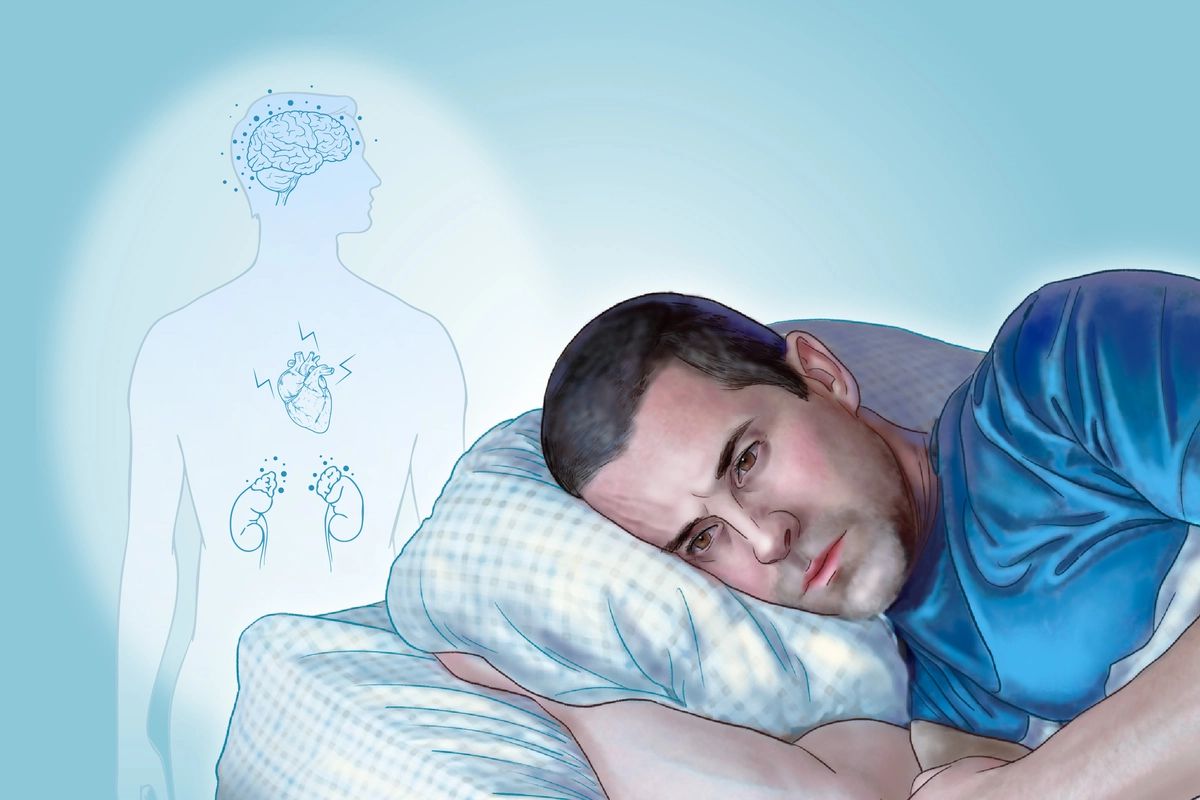


Insomnia is often overlooked. It isn’t just about how many hours you sleep—it can manifest in many different ways
10 percent of American adults experience insomnia, while another 20 percent experience symptoms from time to time.
Insomnia is often underrecognized. Unlike more visible or acute illnesses, the effects of insomnia are primarily internal; thus, many people dismiss it as a normal part of life.
However, it is not determined by hours slept but by whether sleep is sufficient to feel refreshed. While most people need seven to eight hours, sleep needs vary from person to person.
What Are the Symptoms of Insomnia?
Insomnia can show up in different ways, and its symptoms often go beyond simply having trouble sleeping. Recognizing these signs can help you understand what your body is experiencing.
Common insomnia patterns:
- Lying awake for long periods before falling asleep (more common in younger adults)
- Sleeping only in short bursts or being awake most of the night (more common in older adults)
- Waking up too early and being unable to fall back asleep
- Waking multiple times during the night
Consequences:
- Feeling unrested upon waking or as if one hasn’t slept at all
- Fatigue, low energy, or daytime drowsiness
- Difficulty concentrating
- Irritability, tension, anxiety, or mood swings
- Depression or feelings of frustration about lack of sleep
- Physical symptoms such as headaches, stomachaches, or general aches and pains
- Trouble napping during the day despite feeling tired
What Are the Types of Insomnia and Their Causes?
Why does insomnia occur? A common hypothesis is that your body is in a hyperarousal state, meaning you are mentally and physiologically activated. Your brain activity, cortisol, and heart rate increase. Stress and a variety of life factors can trigger insomnia.
Once a person develops insomnia, excessive worry about sleep and unhelpful coping habits, such as scrolling on phones, can worsen the problem and create a vicious cycle.
There are two main types of insomnia:
Why does insomnia occur? A common hypothesis is that your body is in a hyperarousal state, meaning you are mentally and physiologically activated. Your brain activity, cortisol, and heart rate increase. Stress and a variety of life factors can trigger insomnia.
Once a person develops insomnia, excessive worry about sleep and unhelpful coping habits, such as scrolling on phones, can worsen the problem and create a vicious cycle.
There are two main types of insomnia:
1. Acute Insomnia
In this case, a sudden trigger pushes your body into a short-term state of hyperarousal. It is temporary, lasting under three months. It can occur in both children and adults, is more common in women, and may appear during pregnancy or menopause. Acute insomnia’s typical triggers include major life events and everyday stresses.
Some triggers are tied to lifestyle factors and substances:
- Stress: Work, school, relationships, or trauma can trigger hyperarousal, making it difficult to sleep and creating a cycle in which insomnia itself adds more stress.
- Lack of Exercise: Reduced daytime activity, especially among older people, can lower sleep pressure. This reduction may lead to more daytime napping and make it harder to sleep at night.
- Certain Substances: Caffeine and nicotine stimulate the body and make falling asleep harder, while alcohol may initially cause drowsiness but ultimately leads to poor-quality sleep.
Having unhealthy sleeping habits may also cause insomnia:
- Mentally Stimulating Activities at Night: Late-night activities such as working, gaming, or using electronic devices can heighten alertness and delay sleep.
- Bed Misuse: Using the bed for activities other than sleep may cause the brain to associate the space with being awake.
- Heavy Meals: Spicy or heavy foods late at night can upset digestion and interfere with sleep.
- Poor Sleep Arrangement: A sleep environment that feels uncomfortable, unsafe, noisy, or too bright can make it harder to fall asleep.
Other triggers involve disruptions to the body’s internal clock:
- Irregular Schedules: Fluctuating bedtimes or inconsistent routines can confuse the circadian rhythm.
- Jet Lag: Travel across different time zones can temporarily shift the body’s internal clock, making sleep more difficult until the rhythm adjusts.
- Shift Work: Sleeping at biologically inconvenient times can disrupt the natural sleep-wake cycle.
- Unhealthy Napping: Late-afternoon naps can disrupt the body’s clock.
Other factors include:
- Injuries or Recent Surgical Procedures: Any condition that causes pain, including injury-induced pain and post-surgical pain, can disrupt sleep. Focusing on the pain while awake also increases stress and makes falling asleep more difficult.
- Female Hormonal Fluctuations: Shifts in hormone levels throughout life can interfere with sleep.
- Pregnancy: Progesterone fluctuations in the first and last trimesters can disrupt sleep.
- Menopause: Intense hormonal changes during perimenopause, along with hot flashes and night sweats, can lead to frequent awakenings.
- Withdrawal of Certain Medicines: Stopping certain drugs can lead to sleep problems due to withdrawal or the body’s adjustment.
Short-term insomnia usually improves once the stressful situation passes or the person adapts or changes his or her habits.
2. Chronic Insomnia
This is a long-standing sleep problem defined as difficulty falling or staying asleep at least three nights a week for three months or more. It may persist continuously or recur in extended episodes.
Many people with chronic insomnia report that a close relative—most commonly their mother—also experiences it. However, since insomnia has many contributing factors, its genetic basis is not clearly defined.
In addition to family history, other contributing factors include:
Excessive worry about sleep: Chronic insomnia often begins with an acute trigger that puts the body into a hyperarousal state. Over time, the fear of not sleeping maintains insomnia even after the trigger has passed.
Mental Health Conditions: Approximately 40 percent of people with insomnia are believed to have a coexisting mental health disorder. Anxiety, depression, bipolar disorder, attention-deficit/hyperactivity disorder, and post-traumatic stress disorder are common contributors. Insomnia can also lead to or worsen mental health issues.
Medical Conditions: Various medical conditions can cause or worsen chronic insomnia, including allergies, benign prostatic hyperplasia, arthritis, acid reflux, asthma, chronic obstructive pulmonary disorder, rheumatologic disorders, lung and heart diseases, Alzheimer’s and Parkinson’s diseases, hyperthyroidism, epilepsy, and fibromyalgia. Other sleep disorders, such as restless legs syndrome and sleep apnea, along with chronic pain, can also lead to chronic insomnia.
Certain Medications: Some medicines, including antidepressants such as bupropion, beta-blockers, and beta-agonists, can cause long-term insomnia.
In some cases of acute and chronic insomnia, no cause can be identified.
By Mercura Wang
Read Full Article on TheEpochTimes.com