

This would not be the first time the United States has swapped currencies with other countries.
Treasury Secretary Scott Bessent confirmed last week that several U.S. allies in the Persian Gulf region and Asia have requested currency swap lines with the United States.
The war in Iran—now in its ninth week—has adversely affected economies, from energy shocks to currency volatility, prompting foreign exchange swaps to address dollar liquidity challenges.
While countries have been apprehensive to confirm reports, Bessent said swaps would be beneficial to Washington and nations that have asked for assistance.
“Swap lines, whether it’s from the Federal Reserve or the Treasury, are to maintain order in the dollar funding markets and to prevent the sale of the U.S. assets in a disorderly way,” Bessent told lawmakers at an April 22 Senate Appropriations subcommittee budget hearing.
“So the swap line would benefit both the [United Arab Emirates] and the United States, and as I said, numerous other countries, including some of our Asian allies, have also requested them.”
Here is what to know about currency swap lines.
What Are Currency Swaps?
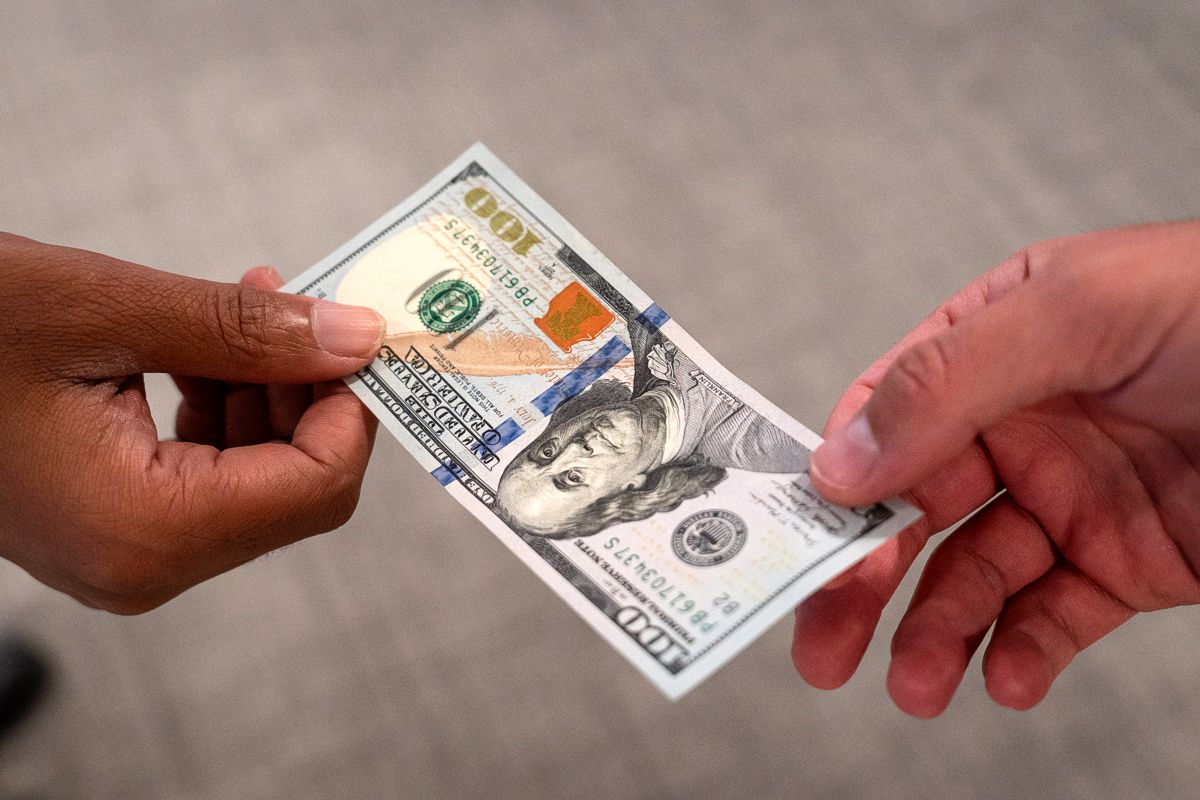
Swap lines allow a central bank to borrow a foreign currency—such as U.S. dollars, euros, or Japanese yen—from another institution temporarily in exchange for its own currency as collateral.
The two central banks agree to reverse the exchange at an agreed date at a rate reflecting interest. If the currency strengthens, the United States makes money—if it weakens, America loses.
The swap line enables central banks to lend foreign currency to domestic banks—they cannot create the money themselves—effectively serving as a liquidity source for global funding markets.
These exchanges typically happen during market stresses, economic uncertainty, or geopolitical strife. A currency swap can also be used as a preventive measure to ensure that foreign banks holding dollar-denominated assets do not initiate a fire sale to plug any greenback shortages.
For example, let’s say that the Bank of England transfers pounds to the Federal Reserve for dollars. The Bank of England then lends those dollars to British financial institutions to meet funding obligations, whether rolling over dollar-denominated debt or settling trades. The Fed will then return the pounds for dollars on a specified date.
By Andrew Moran