

The justices weighed how their decision would affect the economy and the Federal Reserve’s independence.
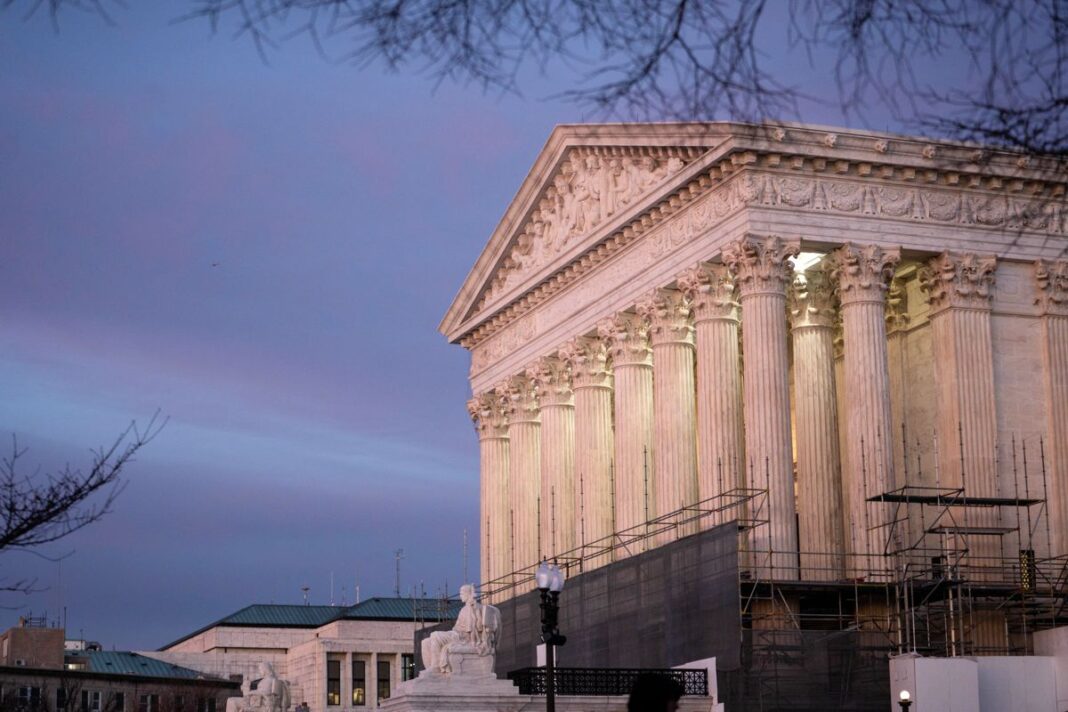
The Supreme Court seemed poised on Jan. 21 to allow Federal Reserve board member Lisa Cook to remain in office despite the president’s attempt to fire her.
President Donald Trump alleged that Cook engaged in mortgage fraud that disqualified her from having so much control over monetary policy. After a lower court blocked his attempt to fire Cook, Trump filed an appeal that eventually made its way to the Supreme Court.
It arrived on the Supreme Court’s emergency docket, meaning that the justices considered a more tentative decision that would cause Cook to either remain in place or leave as additional litigation unfolded.
During oral arguments on Jan. 21, the justices considered a wide range of questions, such as whether Cook received due process and how their decision would affect the economy.
Here are the main takeaways.
Signals Sent by Decision
In emergency docket cases such as this one, the Supreme Court generally does not issue final rulings on narrow legal questions. Instead, it weighs multiple factors, such as who is most likely to win the underlying legal argument and who would be most harmed by its decision as litigation continues.
One of those factors—whether the decision is in the public’s interest—was mentioned by multiple justices.
“We have amicus briefs from economists who tell us that if … we grant you your stay, that it could trigger a recession,” Justice Amy Coney Barrett told Solicitor General D. John Sauer. “How should we think about the public interest in a case like this?”
She appeared to be referring to briefing from experts who indicated that the Supreme Court’s decision could disrupt the economy by undermining the perception of the Fed’s independence.
“We know that the independence of the agency is very important, and that that independence is harmed if we decide these issues too quickly, and with not due consideration,” Justice Sonia Sotomayor told Sauer.
“So, waiting, to me, to have at least the lower courts look at these issues first makes the most sense to the public’s confidence and to the world’s confidence about the due process of law.”
By Sam Dorman and Matthew Vadum