
Obama’s Keystone XL Pipeline Veto A Wake-Up Call to Canada

5Mind. The Meme Platform

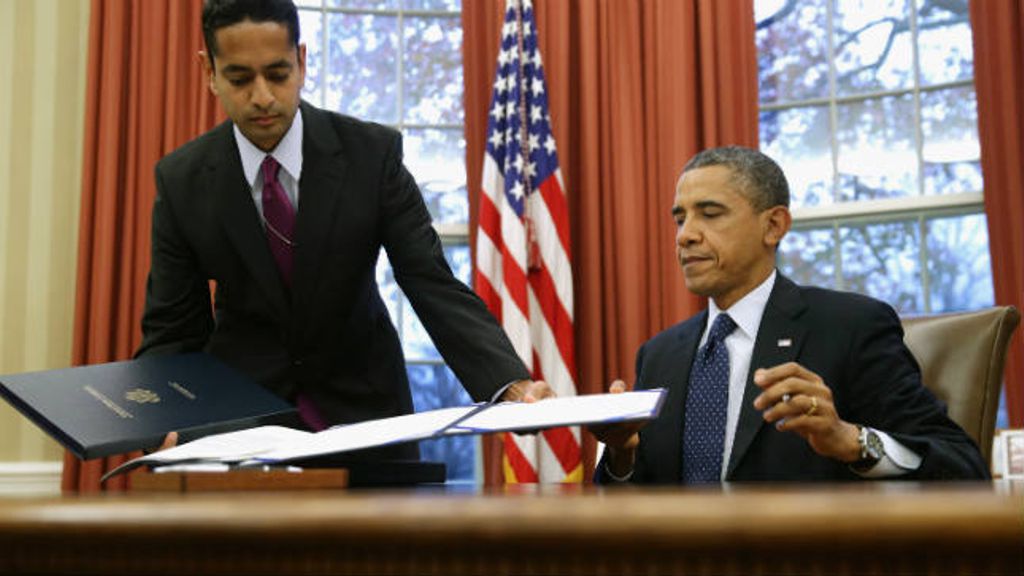
U.S. President Barack Obama’s decision to veto the Keystone XL pipeline has fundamentally changed the way Canadians and their leaders see free trade and that’s a good thing, says the former ambassador to the United States.

In a panel discussion at the Global Business Forum, Derek Burney said Canada should be expanding trade ties with the rest of the world and it’s disappointing that it hasn’t done more in the 25 years since the North American Free Trade Agreement was signed.

“I think that the veto of Keystone was a wake-up call for the Canadian government and the Canadian people,” he said.

“(Prime Minister Stephen Harper) has had a sea change in terms of his attitude about China and that has been provoked by the situation with Keystone.”

Burney added Canada’s trade with the United States has fallen as a percentage of total exports and stands to fall further as the American fiscal probalems multiply.

“As the prime minister has observed, we cannot allow ourselves to be a captive market for exports of energy or anything else to a single market, especially one that’s into a prolonged slump,” he said.

He said Canada should be trying to free up trade with countries that are expected to grow, such as Brazil.
Karen Harbert, president and chief executive of the Institute for 21st Century Energy at the U.S.Chamber of Commerce, said Harper was correct when he said approving the pipeline designed to bring oilsands crude to the Gulf Coast was “obviously, a no brainer.”

She said Canada and the United States are so closely aligned that they are almost family members.
“You know, you treat your friends really well, you know, sometimes you treat your enemies even better than your friends, but the people you sometimes leave behind and who are afterthoughts are your family,” she said.
Harbert said she admires Canada for lower corporate tax rates and its energy regulatory regime.

“You actually have some certainty in your permitting process,” she said. “Our’s is completely open ended and Keystone is the result of that.”

Leonard Waverman, dean of the Haskayne School of Business at the University of Calgary, asked if Canada could wind up relying too much on China if it switches its exporting emphasis there.

“The old adage is that when the U.S. sneezes, Canada gets a cold. But China could have a heart attack. It’s not a long-term, stable, innovative economy,” he pointed out.

Burney replied that Canada could easily double its energy exports to China and it would still be a very small percentage of the total, adding that anyone involved in exporting must be prepared to take on risk.

Addressing the $15.1-billion bid by the China National Offshore Oil company for Nexen Inc., Burney said Canada needs foreign capital to develop its resources but that doesn’t mean it can’t use its “leverage” to negotiate terms for issues such as dispute resolution, vitally important when dealing with a country with a very different political system.

By Dan Healing, Calgary Herald September 21, 2012

© Copyright (c) The Calgary Herald
Contact Your Elected Officials
The Thinking Conservative
The Thinking Conservativehttps://www.thethinkingconservative.com/
The goal of THE THINKING CONSERVATIVE is to help us educate ourselves on conservative topics of importance to our freedom and our pursuit of happiness. We do this by sharing conservative opinions on all kinds of subjects, from all types of people, and all kinds of media, in a way that will challenge our perceptions and help us to make educated choices.

Sadly, Minnesota has become a battleground, once again

Minnesota is again a battleground. Five years after George Floyd protests, demonstrators now target ICE agents enforcing the law.

Stolen Land or Stolen Context?: What We Are No Longer Teaching Our Children

To assess whether “stolen land” is accurate, we must examine how U.S. land was acquired — historically, not emotionally or rhetorically.

Repeal the National Childhood Vaccine Injury Act: The Original Petition

In 1986, Congress granted vaccine makers unique legal protections, shielding them from most lawsuits over injuries caused by vaccines.

Bad Bunny’s Legal Troubles Coming

The NFL and NBC’s “Big Game” halftime show featuring Bad Bunny has ignited controversy, unleashing a wave of backlash and unexpected fallout for all involved.

Cruising into March Madness

At the U.S. Naval Academy, optimism is forged through discipline. This season, Navy men’s basketball has turned it into a historic Patriot League run.

DOJ Asks Prosecutors to Flag ‘Rogue’ Judges for Impeachment

The DOJ asked federal prosecutors nationwide to identify examples of what it calls “judicial activism” for possible impeachment referrals to Congress.

Kraft Heinz Pauses Split as New CEO Says Packaged Foods Giant Is ‘Fixable’

Kraft Heinz is pausing plans to split into two companies as new CEO Steve Cahillane says its problems are “fixable and within our control.”

Marxist Network Under Scrutiny as Lawmakers Probe Chinese Influence

Lawmakers scrutinized a Marxist-aligned network with ties to a pro-Beijing millionaire over potential Chinese Communist connections.

US Economy Adds 130,000 New Jobs, Unemployment Rate Dips to 4.3 Percent

The U.S. economy created 130,000 new jobs in January, suggesting employment conditions could be improving following months of a sluggish labor market.

Trump Warns Republicans Will ‘Suffer the Consequences’ If They Vote Against Tariffs

President Trump warned GOP lawmakers they’ll face consequences if they oppose his tariff agenda after some sided with Democrats on a measure.

Trump Orders Military to Purchase Electricity From Coal-Fueled Power Plants

President Donald Trump signed an executive order on Feb. 11 directing the U.S. military to purchase its power from coal-fired electricity plants.

Trump Says Meeting With Netanyahu Yields No Definitive Agreement on Iran

President Trump hosted Israeli PM Benjamin Netanyahu at the White House on Feb. 11 amid ongoing tensions with Iran over its nuclear program.

Why Canada’s China Pivot Makes US Tariff Relief Harder

Analysts say Ottawa’s Beijing outreach is raising new security and trade concerns in Washington—making U.S. tariff relief even harder to secure.
spot_img

Related Articles