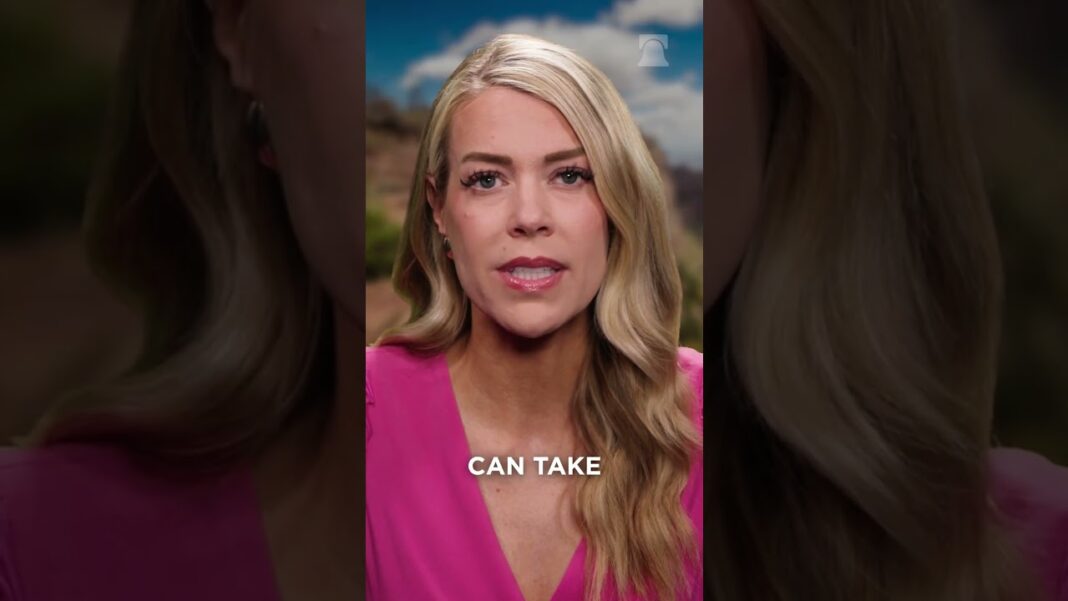
Long before she became an inspiration for Clarice Starling in ‘The Silence of the Lambs,’ Jana Monroe knew from the age of 13 exactly what she wanted to do.
As one of the first female agents in the FBI’s Behavioral Science Unit and a key figure in developing the Bureau’s profiling techniques for serial killers and establishing its first cyber security team after 9/11, Jana Monroe has been breaking new ground.
Long before she became an inspiration for Clarice Starling in “The Silence of the Lambs,” Monroe knew from the age of 13 exactly what she wanted to do. She recalled that she was never that kid who waffled between being a ballerina one week and a doctor the next.
“I loved our country and that it was a nation of laws and liberties, and I wanted to do something to preserve that. And no offense to attorneys, but I didn’t want to be an attorney. I also hated bullies. I can’t stand people who take advantage of others and their vulnerabilities,” the former FBI agent told The Epoch Times.
“My thoughts drifted to, ‘How can I marry up these two ideas? What would that be?’ The answer was law enforcement.”
Her choice was confirmed when, as a teenager, she did a ride-along with a neighbor’s son who was a police officer in Long Beach, California, in Los Angeles County. They were sent to arrest a drunk, naked woman in a bar, and when Monroe saw that the officers were struggling to respond to this sensitive situation, she thought, “Perhaps there is a place in law enforcement for a woman’s sensibilities.”
Monroe said she has never wavered from that goal. Majoring in criminology at California State University–Long Beach, she went on to work in juvenile probation with San Bernardino County and then with the Youth Training School in Chino, which housed the worst-of-the-worst young residents accused of theft, rape, and homicide. She then moved into several positions in law enforcement in Southern California.
When Monroe decided to apply to the FBI, her husband at the time was not supportive of her choice and gave her an ultimatum, forcing her to choose between him and the bureau. She chose the bureau.
She was eventually accepted into the FBI and entered her class with seven other women in July 1985.
Women in the FBI
Just weeks after the death of FBI Director J. Edgar Hoover in May 1972, the new acting director announced that women would be allowed to apply to become FBI special agents for the first time.
“Even before all this, I had already set my sights on the FBI, but I knew it might be a wait,” Monroe said. “When I was at a career fair early in my college career, I approached an FBI representative asking about how to get into the FBI. He told me women could not be agents and that I could choose between a file clerk or a secretary.”