

Florida tightens pharmacy benefit managers rules. Iowa bars insurer interference in physician referrals and restricts insurer pre-approval denials.
Florida and Iowa have passed healthcare policy reforms Congress has tried and failed to enact, with new laws that took effect July 1.
A new Florida law tightens restrictions on pharmacy benefit managers. These companies, most owned by large insurance companies, are the middlemen in the drug supply chain that exercise significant control over drug pricing and which drugs an insurance company will cover.
Iowa enacted health insurance reforms, including a measure to prevent insurers from influencing a physician’s decision on where to refer a patient for further treatment.
Despite bipartisan support in Washington for tougher regulation of pharmacy benefit managers, Congress has not passed significant reforms, though some changes were included in the One Big Beautiful Bill Act, according to law firm Mintz.
The Patients Over Profits Act, designed to stop health care insurers from buying up and controlling independent medical clinics, was introduced in the House in 2025 but has not advanced.
The Doctor Knows Best Act, to prohibit health insurance plans from imposing a prior authorization, step therapy protocol, or medical necessity review for any covered healthcare services, was proposed in 2025 but has not been acted upon.
Florida Tightens Pharmacy Benefit Managers Rules
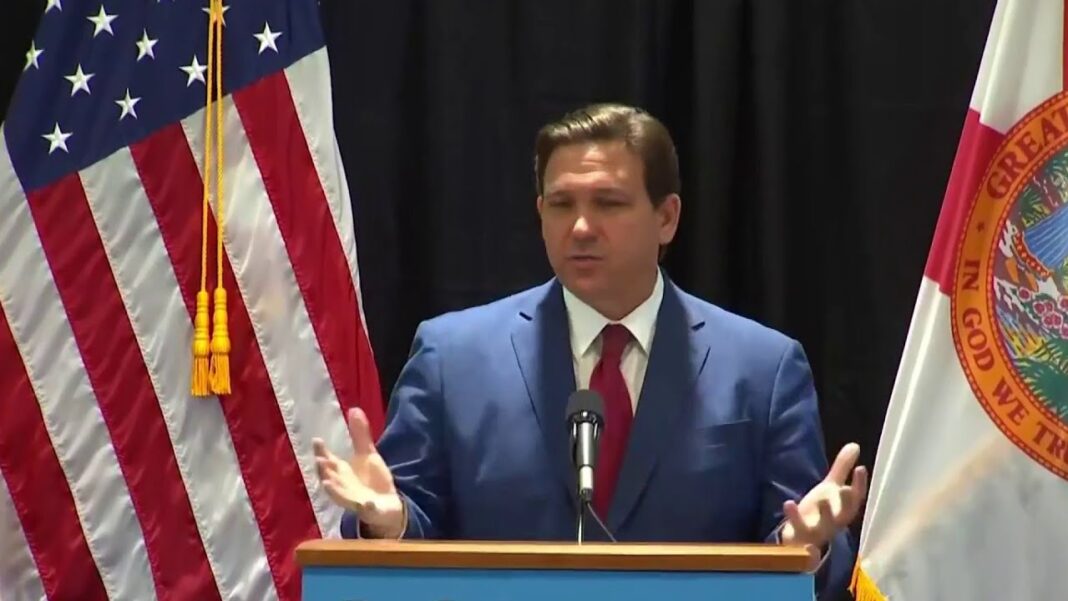
Florida’s Drug Prices and Coverage Act, signed by Gov. Ron DeSantis in March, provides new protections for pharmacies when dealing with pharmacy benefit managers.
The law prohibits pharmacy benefit managers from forcing a pharmacy to dispense a drug if the PBM pays them less than the drug’s cost.
And benefit managers cannot pay their own affiliated pharmacies more than they pay independent pharmacies for the same services.
The law presents a “targeted approach” to regulating pharmacy benefit manager reimbursement practices by placing a blanket prohibition on increasing reimbursements to affiliated pharmacies, according to the Florida Bar.
Also, pharmacies now have a formal way to challenge benefit managers if the payment they receive for a drug is lower than what it actually cost them to buy it.
Pharmacy benefit managers are required to provide a reasonable administrative appeal procedure that allows a pharmacy or pharmacist to challenge the maximum allowable cost pricing information and the reimbursement as being below the acquisition cost.
To reduce paperwork, pharmacies can group multiple claims for the same drug into a single appeal.
Pharmacies have 30 business days to file an appeal after a price update or claim, and pharmacy benefit managers must respond within 30 business days of receiving it.