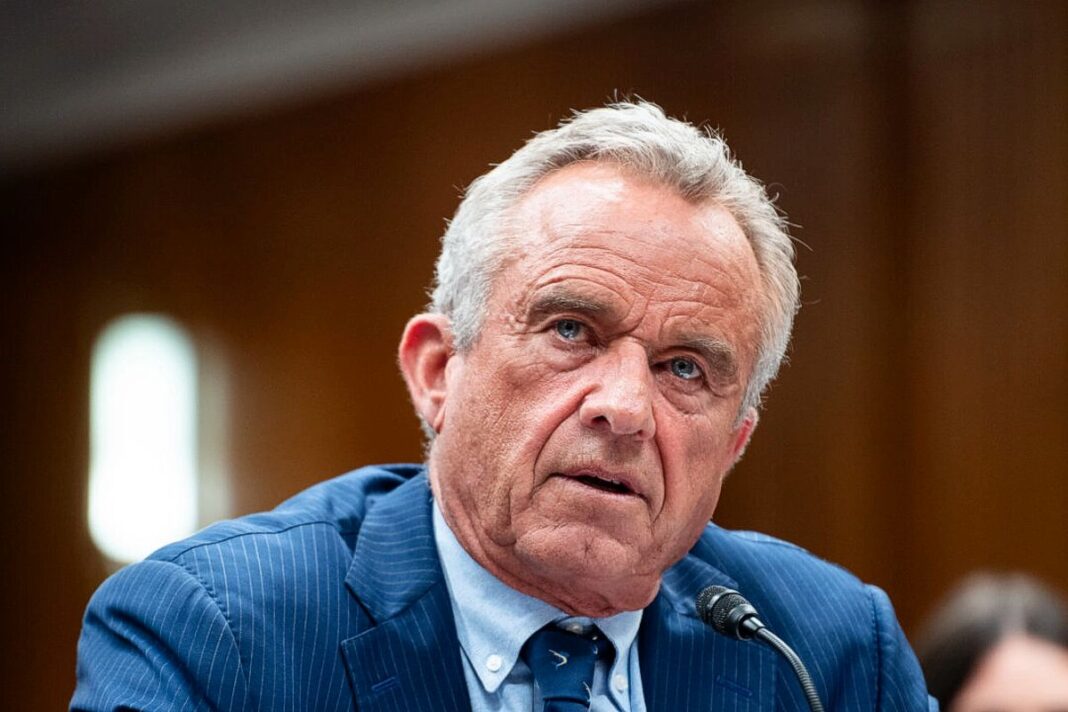


Munson P. Hunter III objected to a sentence requiring him to take psychiatric medication.
The U.S. Supreme Court ruled on June 18 that a Texas man may challenge a compulsory medication order in his sentence even though he waived his right to appeal in a plea agreement with prosecutors.
The new ruling gives criminal defendants who have signed appeal waivers during the plea bargaining process a limited opening to challenge sentencing conditions they believe are unconstitutional or outrageous.
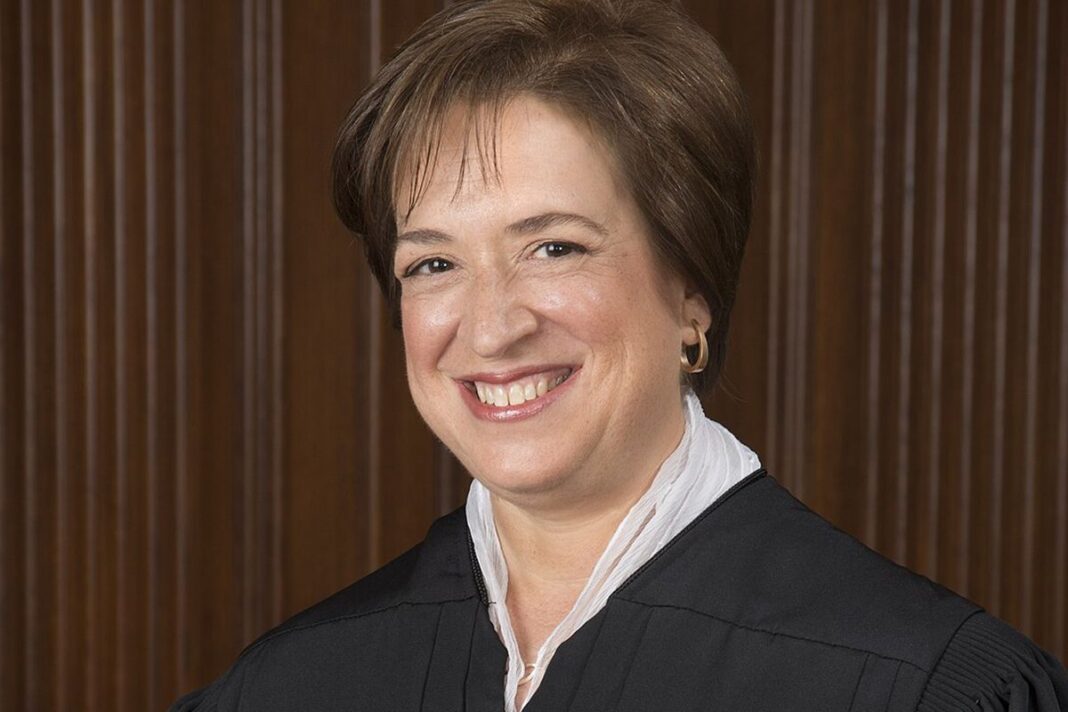
Justice Elena Kagan wrote the court’s 8–1 opinion in Hunter v. United States, holding it would be unfair not to allow the man to appeal.
Justice Clarence Thomas dissented.
The petitioner, Munson P. Hunter III, was convicted in federal district court in Texas in February 2024 of aiding and abetting wire fraud. He was sentenced to four years and three months in prison, followed by three years of supervised release and restitution of $235,438.
According to the government, between 2013 and 2023, Hunter used fraudulently acquired Social Security numbers to open 14 bank accounts, obtain at least 18 credit cards, and file for loans from the Small Business Administration. These fraudulent acts ended up costing others almost $500,000.
Hunter signed a plea agreement that provided he was voluntarily waiving the right to appeal except to raise a claim of ineffective assistance of counsel or on collateral review. Collateral review refers to a legal proceeding challenging a court ruling outside the standard appeal process.
At the May 2024 sentencing hearing, Hunter, who suffers from anxiety and depression, objected to a proposed special condition of supervised release that stipulated he “must take all mental health medications that are prescribed by [his] treating physician,” according to his April 2025 petition.
The petition said he told the court at that time that he didn’t drink, use drugs, or “even curse,” and that he didn’t want to be “forced to medicate.” The court imposed the medication requirement, advising Hunter that he had a right to appeal.
Hunter appealed the medication order portion of the sentence to the U.S. Court of Appeals for the Fifth Circuit.
In his petition, Hunter argued that the order “infringes on [his] fundamental due process liberty interest in being free of unwanted mental health medication.”
He said that the appeal waiver did not take away his constitutional claim, or in the alternative, that the sentencing judge’s assurance that he had a right to appeal, “combined with the government’s acquiescence, should void the appeal waiver.”
The Fifth Circuit threw out the case in December 2024, saying his appeal was precluded by the appeal waiver that he previously signed.
“The district court’s statement at the sentencing hearing that Hunter had a right to appeal did not impact the validity of the appeal waiver,” the circuit court stated.
During the oral argument before the Supreme Court on March 3, U.S. Department of Justice (DOJ) attorney Zoe Jacoby urged the justices to dismiss Hunter’s case.
“Knowing and voluntary presentence appeal waivers are enforceable bargains, and no doctrine of contract law calls for a different result based on the subsequent sentence that the defendant receives,” she said.
Hunter was asking the court to create new rules that would limit when “knowing and voluntary” waivers may be enforced, but he hasn’t given the court any clear, workable way to decide which waivers should be allowed and which shouldn’t, Jacoby said.
If the justices were to accept his argument, it would unleash a flood of litigation that “would essentially eliminate all appeal waivers,” she said.