

By limiting the ability of judges to issue universal blocks, the court’s ruling is expected to affect other cases contesting Trump administration policies.
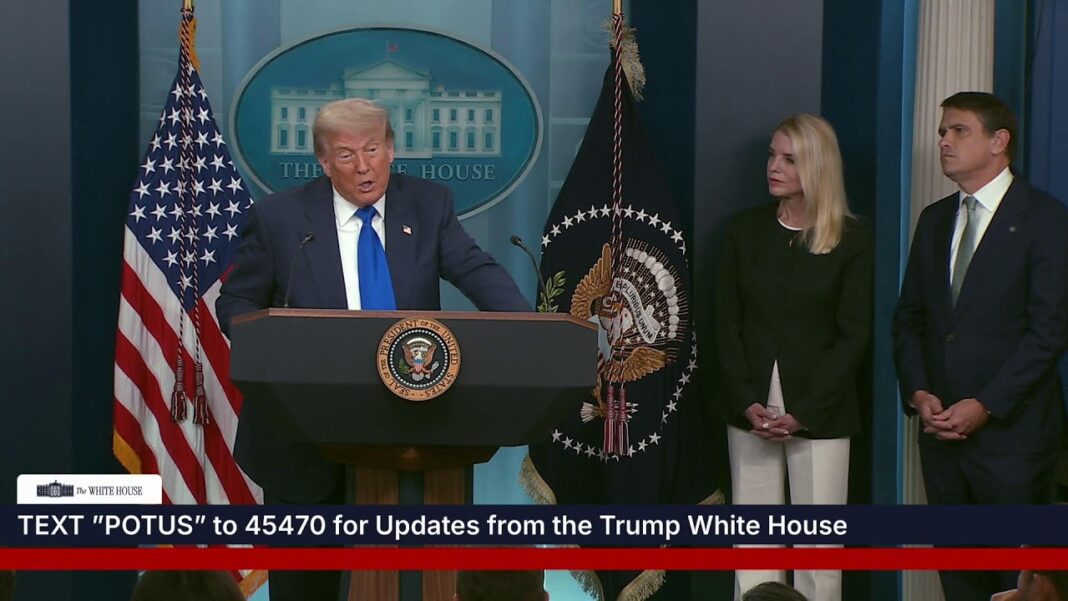
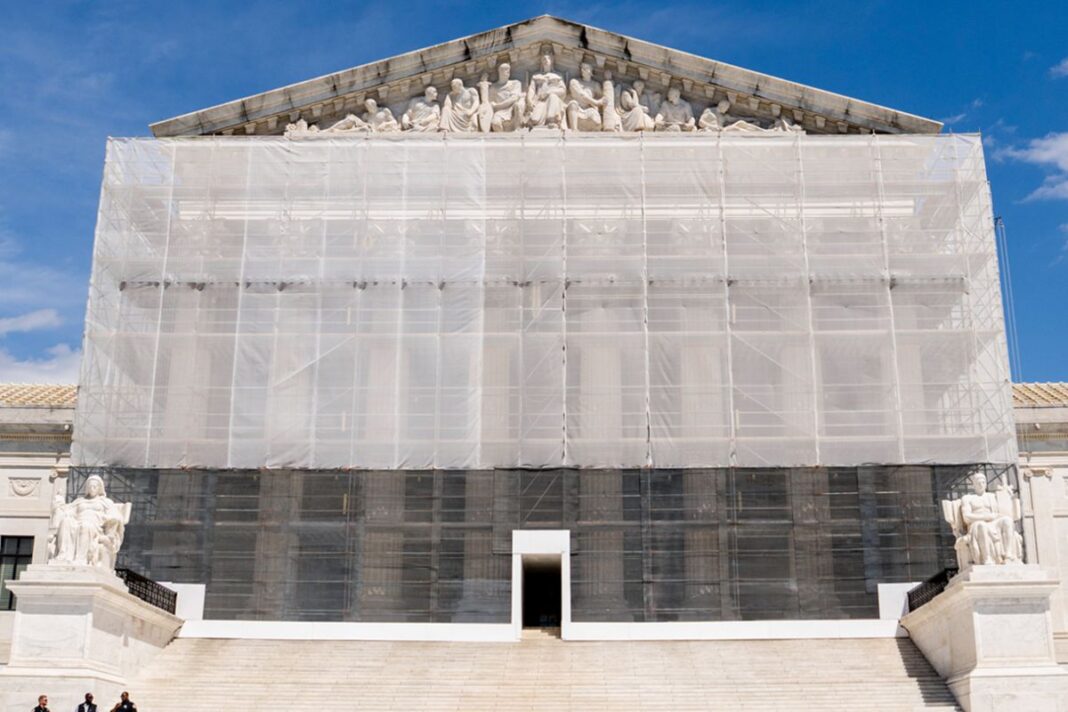
The Supreme Court issued a landmark opinion on June 27 that effectively restrained judges’ ability to issue sweeping orders blocking the president’s policies. Known as nationwide injunctions, the number of orders has exploded in frequency, with a particular spike under President Donald Trump.
In a 6–3 decision, the Supreme Court said Congress had not granted judges authority to issue broad relief to individuals not before the court. Some of the details still need to be ironed out, and the ultimate fate of Trump’s policies has yet to be decided. However, the court’s order did give the administration leverage in fighting federal judges on how much they can limit the president’s policies.
At a more practical level, the decision temporarily halted three nationwide blocks on Trump’s attempt to limit birthright citizenship.
Justice Amy Coney Barrett, who delivered the decision of the court, qualified that it was intended to halt the injunctions only “to the extent that the injunctions are broader than necessary to provide complete relief to each plaintiff with standing to sue.”
The judges who issued those orders are expected to reconsider them in light of the Supreme Court’s latest decision. Ultimately, their orders could wind up back at the Supreme Court, as could a deeper debate about the constitutionality of Trump’s policy on birthright citizenship.
One of those judges, U.S. District Judge Deborah Boardman, wrestled with how to proceed after the Supreme Court’s decision, which halted implementation of Trump’s birthright restrictions for 30 days. Other aspects of the executive order that were not blocked include the administration’s ability to issue guidance and craft policy in anticipation of a block being removed. Justice Department attorney Brad Rosenberg told Boardman that his understanding of the Supreme Court decision was that the administration couldn’t deport babies of illegal immigrants during the 30-day period set up by Barrett.
Here are some of the key takeaways for the decision and how it could affect future policies.
Nationwide Injunctions Not Consistent With Nation’s History
The majority’s primary holding focused on the Judiciary Act of 1789 and whether it allows judges to issue nationwide injunctions.
However, it refrained from deciding whether Article 3 of the Constitution, which generally outlines federal courts’ authority, allows judges to issue such orders. Article 3 has been cited by Republicans and was used by the Trump administration to argue against the injunctions on birthright citizenship.
Regardless, Barrett’s majority opinion indicates that nationwide injunctions do not align with how courts have operated in both the United States and the UK.
“The universal injunction was conspicuously nonexistent for most of our Nation’s history,” Barrett wrote. “Its absence from 18th- and 19th-century equity practice settles the question of judicial authority.”
By Sam Dorman