
Save the Constitution From Big Tech

5Mind. The Meme Platform

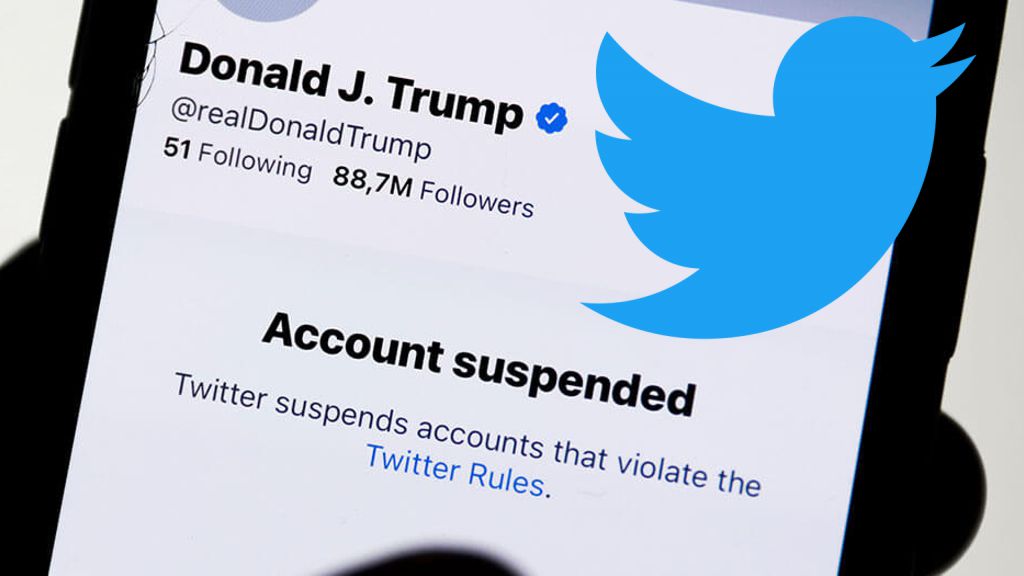
Facebook and Twitter banned President Trump and numerous supporters after last week’s disgraceful Capitol riot, and Google, Apple and Amazon blocked Twitter alternative Parler—all based on claims of “incitement to violence” and “hate speech.” Silicon Valley titans cite their ever-changing “terms of service,” but their selective enforcement suggests political motives.

Conventional wisdom holds that technology companies are free to regulate content because they are private, and the First Amendment protects only against government censorship. That view is wrong: Google, Facebook and Twitter should be treated as state actors under existing legal doctrines. Using a combination of statutory inducements and regulatory threats, Congress has co-opted Silicon Valley to do through the back door what government cannot directly accomplish under the Constitution.

It is “axiomatic,” the Supreme Court held in Norwood v. Harrison (1973), that the government “may not induce, encourage or promote private persons to accomplish what it is constitutionally forbidden to accomplish.” That’s what Congress did by enacting Section 230 of the 1996 Communications Decency Act, which not only permits tech companies to censor constitutionally protected speech but immunizes them from liability if they do so.

The justices have long held that the provision of such immunity can turn private action into state action. In Railway Employees’ Department v. Hanson (1956), they found state action in private union-employer closed-shop agreements—which force all employees to join the union—because Congress had passed a statute immunizing such agreements from liability under state law. In Skinner v. Railway Labor Executives Association(1989), the court again found state action in private-party conduct—drug tests for company employees—because federal regulations immunized railroads from liability if they conducted those tests. In both cases, as with Section 230, the federal government didn’t mandate anything; it merely pre-empted state law, protecting certain private parties from lawsuits if they engaged in the conduct Congress was promoting.

Section 230 is the carrot, and there’s also a stick: Congressional Democrats have repeatedly made explicit threats to social-media giants if they failed to censor speech those lawmakers disfavored. In April 2019, Louisiana Rep. Cedric Richmond warned Facebook and Google that they had “better” restrict what he and his colleagues saw as harmful content or face regulation: “We’re going to make it swift, we’re going to make it strong, and we’re going to hold them very accountable.” New York Rep. Jerrold Nadler added: “Let’s see what happens by just pressuring them.”

By Vivek Ramaswamy and Jed Rubenfeld

Read Full Article on WSJ.com

Contact Your Elected Officials
The Thinking Conservative
The Thinking Conservativehttps://www.thethinkingconservative.com/
The goal of THE THINKING CONSERVATIVE is to help us educate ourselves on conservative topics of importance to our freedom and our pursuit of happiness. We do this by sharing conservative opinions on all kinds of subjects, from all types of people, and all kinds of media, in a way that will challenge our perceptions and help us to make educated choices.

 ‘Quality Learing’ Knucklehead

Politicians have an uncanny knack for stating the obvious, lying with sincerity and relentlessly taking credit for things in which they played no role.

The USPS is Going Broke!   

The USPS Postmaster General warned that without lifting its $15B borrowing cap, the agency could struggle to pay workers and vendors by 2027.

Comey and Morens Indicted? Color Me Skeptical

The Justice Department has announced respective prosecutions of former FBI Director and Russiagate architect James Comey and Fauci capo Peter Morens.

Questions Remain After the WHCD Assassination Attempt   

Americans have a hunger to know and understand what happened during the White House Correspondents Dinner (WHCD) assassination attempt.

Direct Election of U.S. Senators: Reform or Mistake?

The direct election of U.S. Senators diminished federalism, stripped states of checking federal power and greatly expanded federal power.

Trump Says Agent Shot at Correspondents’ Dinner Was Not Hit by Friendly Fire

The federal agent that was injured during an alleged assassination attempt at the White House Correspondents’ Dinner was not shot via friendly fire.

Department of Education: New Student Loan Restrictions Take Effect Within 2 Months

Loan limits and other “commonsense” measures for financing higher education and protecting families and taxpayers should be in place within two months.

New Video Released of Cole Allen, Alleged Shooter at White House Correspondents Dinner

U.S. Attorney Jeanine Pirro on April 30 released a new video of Cole Allen, the alleged shooter at the White House Correspondents’ Dinner.

DOJ Releases Report Alleging Anti-Christian Bias Under Biden

The DOJ on April 30 released a 500-page report detailing alleged anti-Christian bias on the part of the Biden administration.

King Charles, Queen Camilla Greeted by President Trump, First Lady

President Donald Trump and First Lady Melania Trump welcomed King Charles III and Queen Camilla of the UK at the South Porticos of the White House on April 27.

Treasury Sanctions Iran-Linked Chinese Oil Refinery, 40 Vessels

The Treasury Department sanctioned a Chinese refinery and 40 shipping firms and vessels found to be providing a lifeline to the Iranian oil economy.

Trump Admin Begins Process to Downgrade Marijuana Classification

The Trump administration announced plans to reclassify approved marijuana products as a less dangerous drug under federal law.

Gas Prices Will Return to Low Levels After Iran Conflict Ends, Bessent Says

Treasury Sec. Scott Bessent said relatively high gas prices will not last long but any change is contingent on when the US and Iran cease hostilities.
spot_img

Related Articles

Popular Categories

MAGA Business Central