

The state Republican Party argues federal law prevails over a Mississippi law permitting late receipts.
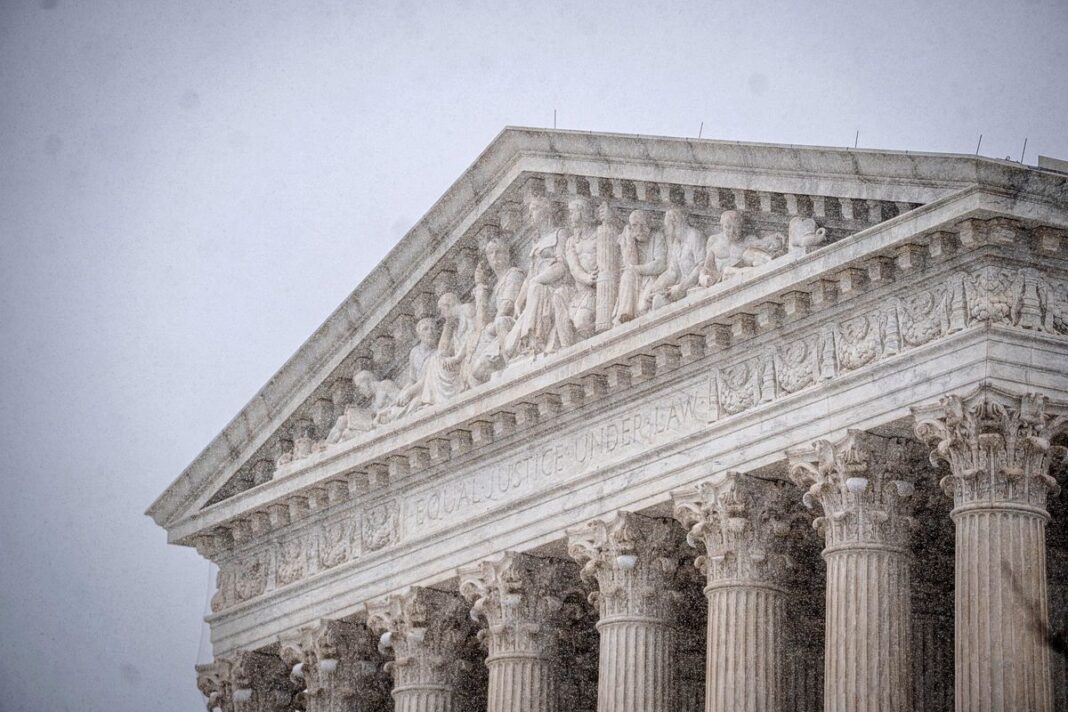
The U.S. Supreme Court on March 23 seemed skeptical of a Mississippi law that allows the state to count mail-in ballots received after Election Day in federal elections.
Mississippi law allows counting of mail-in ballots received within a five-day grace period after Election Day.
The law was enacted in July 2020 during the COVID-19 pandemic to provide flexibility to voters.
Eighteen states accept mailed ballots received after Election Day if they are postmarked on or before Election Day, according to the National Conference of State Legislatures.
Federal law sets the Tuesday after the first Monday in November in certain years as Election Day for federal offices.
A presidential election takes place every four years; a congressional election occurs every two years.
The election day law focuses on when ballots must be cast, as opposed to when they must be received by election officials to count.
In October 2024, the U.S. Court of Appeals for the Fifth Circuit held in the case that even though states have primary responsibility for regulating federal elections within their borders, Congress is also allowed to “make or alter such regulations.”
The circuit court held the federal election day law preempts—or supersedes—Mississippi law, preventing the state from accepting late ballots.
Mississippi argues that striking down its law will cause upheaval in those states that allow ballots received after Election Day to be counted.
The Republican National Committee (RNC), the state’s Republican Party, and the state’s Libertarian Party sued over the state law.
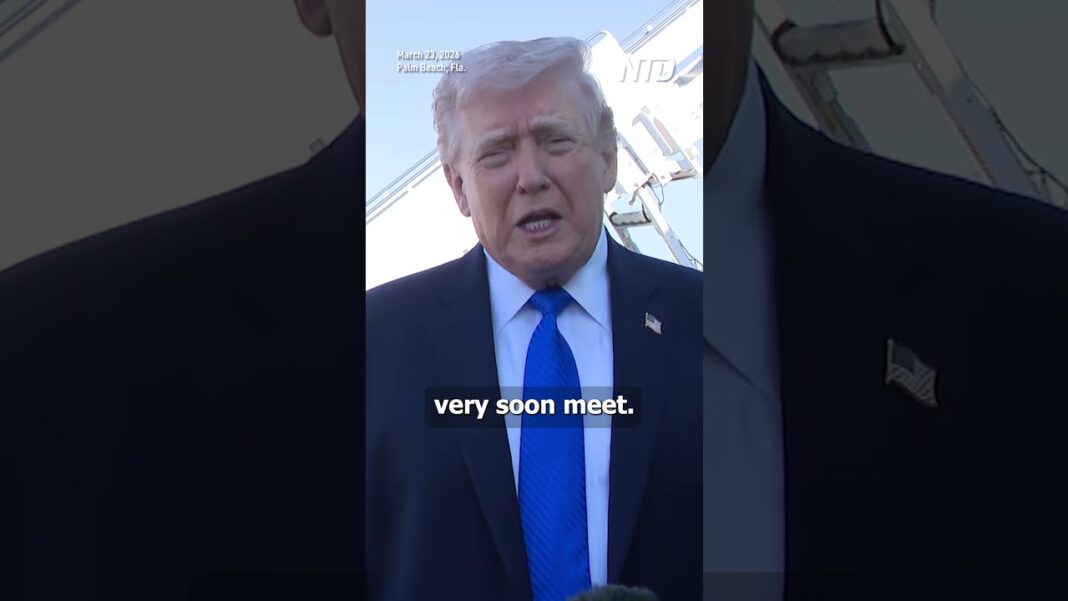
President Donald Trump issued an executive order a year ago to end the counting of ballots received after Election Day.
A federal court in Washington blocked part of the order in January.
During oral arguments on March 23, Justice Samuel Alito seemed concerned about the possibility of fraud when “a big stash of ballots” that arrived late “radically flipped” an election.
Justice Brett Kavanaugh asked RNC attorney Paul Clement if Purcell v. Gonzalez (2006) would be implicated if the high court were to rule on the case by June.
Purcell held that federal courts ordinarily should not enjoin state election laws close to an election to avoid disruption.
Clement replied, saying “June would give them plenty of time to adjust,” in time for the general elections.