

Justice Samuel Alito entered the order.
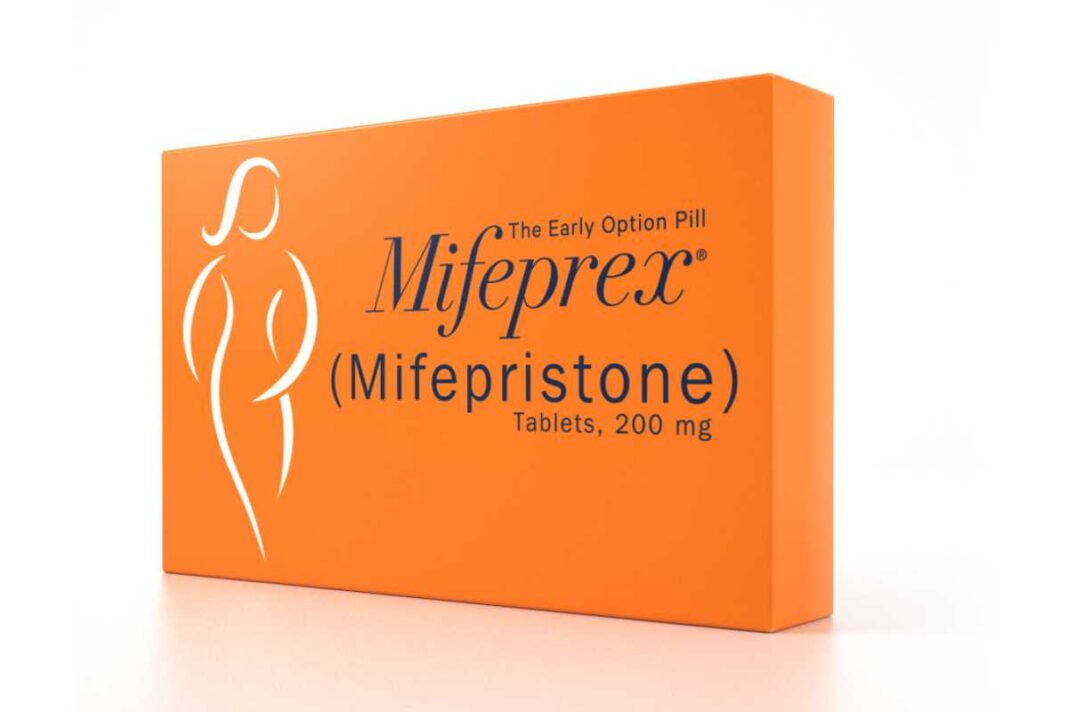
The Supreme Court on May 4 temporarily restored widespread access to an abortion drug called mifepristone, staying a lower court ruling that had blocked it from being sent by mail.
Justice Samuel Alito ordered that the lower court ruling be stayed until 5 p.m. on May 11.
The stay is in place as the nation’s highest court considers the case. Another order will come at a later date.
Danco Laboratories, which makes mifepristone, had requested the stay after a federal appeals court blocked mail delivery of mifepristone while federal regulators study the safety and effectiveness of the drug.
Mifepristone has long been available to women after consulting with doctors. In 2023, federal authorities enabled access via mail and at pharmacies.
A lawyer for Danco did not immediately respond to a request for comment on the Supreme Court’s move, nor did the Louisiana attorney general’s office.
Alito directed Louisiana and other states—which alleged in a 2024 lawsuit that the removal of the in-person dispensing requirement was illegal because the Food and Drug Administration (FDA) did not properly consider safety risks—to respond to Danco’s request on or before the evening of May 7.
The Supreme Court in 2024 turned away a separate challenge from a doctors’ group on the loosening of mifepristone restrictions, holding that the group lacked legal standing.
A federal judge in April said that there were “deficiencies” the FDA has acknowledged regarding its 2023 decision allowing mifepristone to continue to be ordered by mail and at pharmacies but declined to intervene, citing the FDA’s ongoing safety review of the drug and the removal of in-person dispensing requirements.
The judge said he was not equipped to evaluate the removal, “particularly where FDA has thus far failed to even collect the data necessary” to do so, while stating that the FDA must complete the review.
The U.S. Court of Appeals for the Fifth Circuit ruled on May 1 that mifepristone could not be shipped because the FDA “conceded it had failed to adequately study whether remotely prescribing mifepristone is safe.”
Factors supporting the likelihood that Louisiana and other plaintiffs will succeed include the FDA’s reliance on literature to remove the in-person dispensing requirement despite the FDA admitting that the literature was “not adequate on [its] own to establish the safety of the model of dispensing mifepristone by mail,” the appeals court panel said.