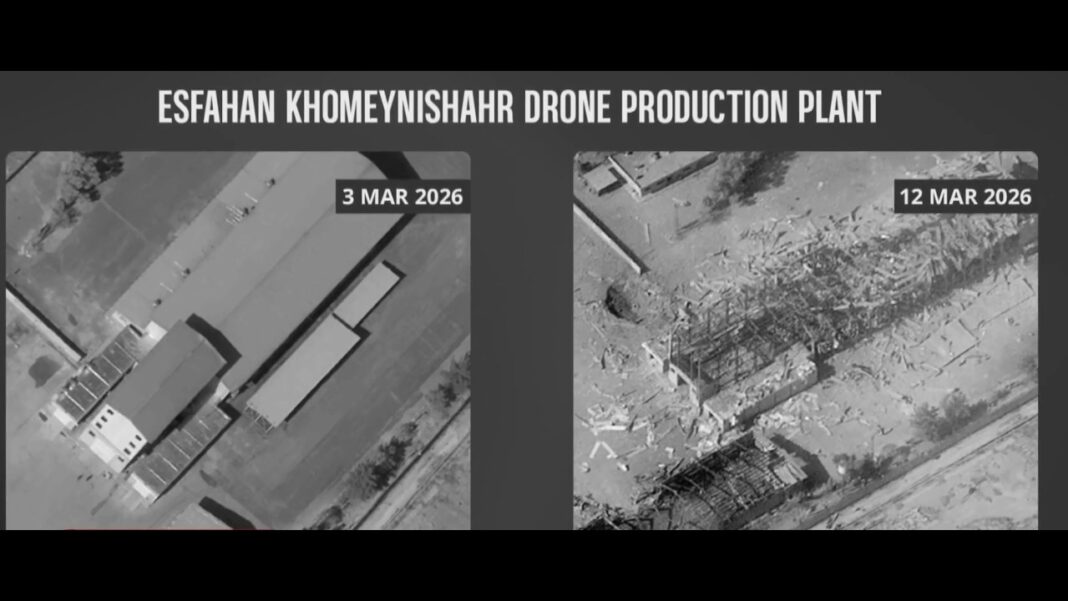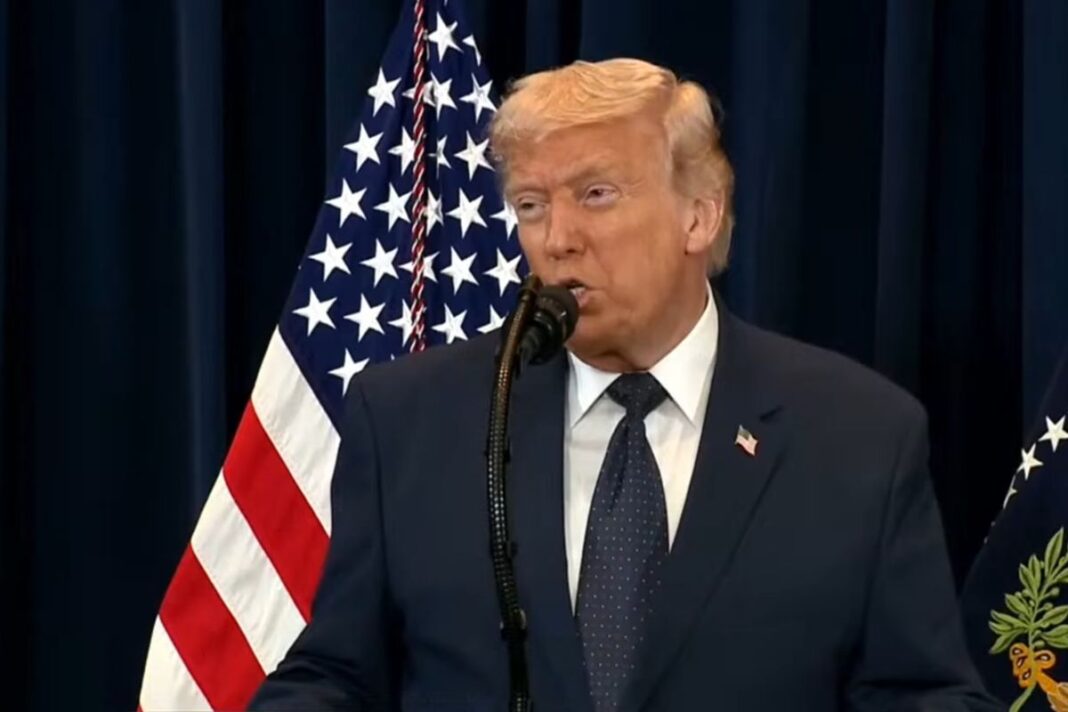


Trump said Tehran is privately pushing for a deal while publicly denying talks, warning Iranian negotiators to engage seriously or face escalation.
U.S. President Donald Trump on March 26 warned Iran to “get serious” about negotiations to end the war, accusing Iranian officials of falsely downplaying ongoing contacts and cautioning that failure to engage could lead to severe consequences.
In a post on social media, Trump described Iranian negotiators as “very different and ‘strange,’” stating they were privately pushing for a deal while publicly denying meaningful talks.
“They are ‘begging’ us to make a deal … and yet they publicly state that they are only ‘looking at our proposal.’ WRONG!!!” Trump wrote, adding, “They better get serious soon, before it is too late … and it won’t be pretty!”
Trump’s post reflects ongoing differences in rhetoric between Washington and Tehran over whether talks are actually taking place, as the war continues to intensify across the region.
Speaking a day earlier at a National Republican Congressional Committee dinner, Trump said Iranian leaders were actively seeking a deal but were reluctant to acknowledge it publicly.
“They want to make a deal so badly, but they’re afraid to say it,” Trump said, adding that Iranian officials feared internal backlash as well as U.S. retaliation.
Iranian officials have consistently denied that direct formal negotiations are taking place. Iranian Foreign Minister Abbas Araghchi said that exchanges conducted through intermediaries do not constitute talks with Washington.
“Messages being conveyed through our friendly countries and us responding by stating our positions or issuing the necessary warnings is not called negotiation or dialogue,” Araqchi said on state television. “It is simply an exchange of messages through our friends.”
Israeli sources briefed on the discussions who spoke to Epoch Magazine Israel said that U.S. officials put forward a 15-point proposal to Iranian figures via intermediaries. The sources said that the plan included such demands as Iran halting uranium enrichment, dismantling key nuclear facilities, curbing its missile program, and stopping supporting regional proxies in exchange for sanctions relief.
By Tom Ozimek