

Justice Sonia Sotomayor’s spoken dissent seemed to come as a surprise for Justice Samuel Alito, who responded extemporaneously to it.
At a recent Supreme Court sitting, Justice Samuel Alito took the unusual step of responding from the bench to Justice Sonia Sotomayor’s spoken dissent from an immigration-related opinion he wrote.
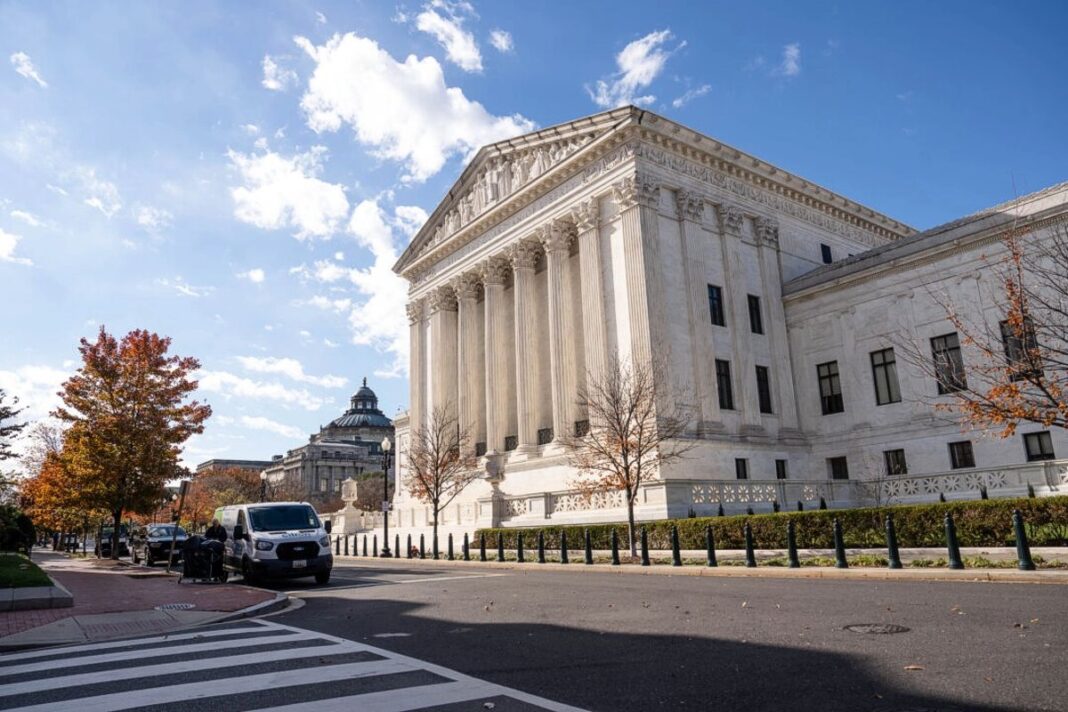
The June 25 incident took place in the final days of the current court’s session, as the justices try to issue opinions in remaining cases before the court’s summer recess, which typically begins before the Fourth of July.
Alito read aloud a summary of the majority opinion in Mullin v. Al Otro Lado. The 6-3 decision ruled that the government can turn away asylum-seekers at the border, clarifying a law that requires individuals to be inspected when they arrive in the United States.
Sotomayor followed, reading a summary of her dissenting opinion aloud.
Sotomayor said many asylum seekers face a challenging journey and recounted that after the United States and other countries turned back a ship full of Jewish refugees fleeing persecution in Nazi Germany in 1939, about 250 of those passengers died later in the Holocaust.
Sotomayor said the majority’s opinion here would allow the Trump administration to prevent people from applying for asylum at the border, and that this would lead to more deaths. The decision “regrettably and tragically extinguishes the light of the torch of the Statue of Liberty,” she said.
In her written dissent, Sotomayor stated, “more people will be forced to walk along the U.S.-Mexico border in dangerous conditions, trying to find a port that will inspect them.”
Sotomayor’s spoken dissent seemed to come as a surprise for Alito, who responded extemporaneously to it. He appeared frustrated, saying he would have said more during the court sitting and provided more details if he had known she planned to speak.
For the court’s majority, Alito said, the case was about whether border officials can delay asylum seekers’ entry into the United States “until they can be processed in a safe and orderly way.”
The justice said that the policy at the center of the case had been used under both the Obama and Trump administrations. “I won’t add anything more to that,” he said.