

Total college loans have increased 345 percent since 2005, and tuition rose faster than any household expense in the last 40 years.
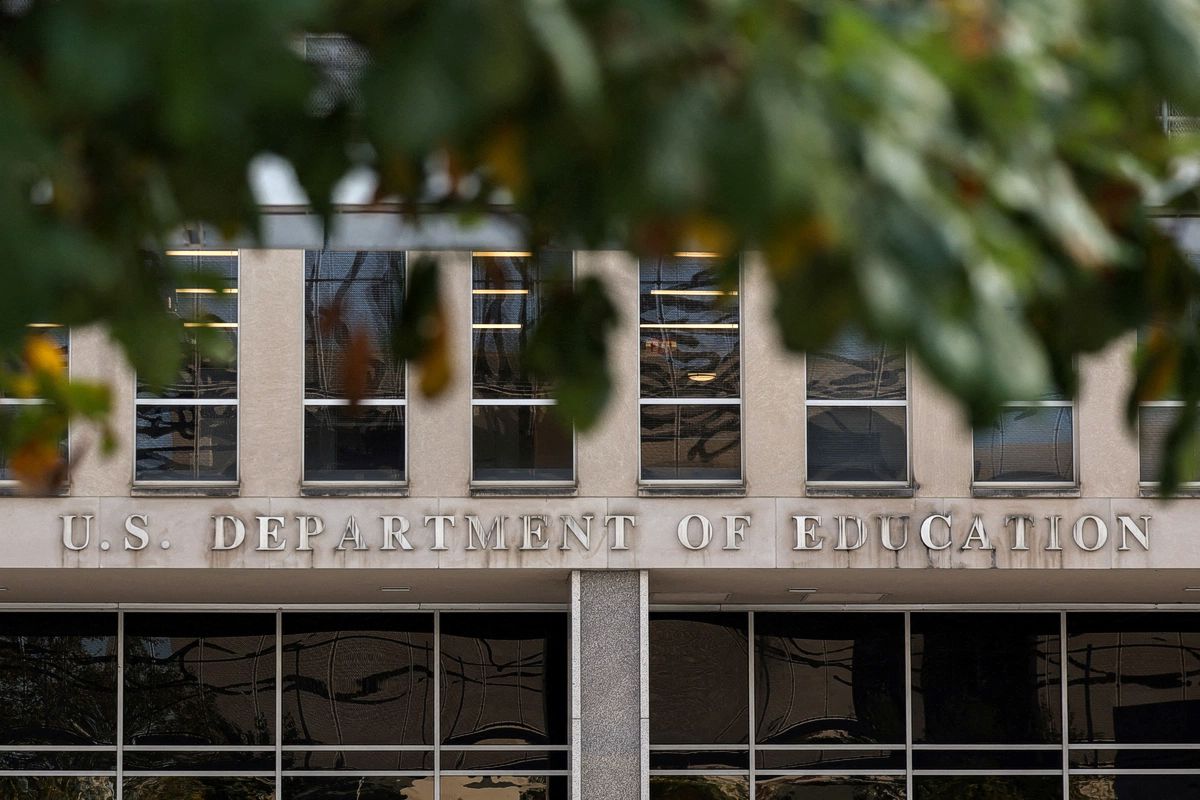
The Department of Education has released a final rule that aims to lower the cost of college and make student loan repayment easier.
The department will implement loan limits and other “common-sense” measures for financing higher education and protecting families and taxpayers within two months, Education Undersecretary Nicholas Kent said Thursday.
The new regulations, which the department will publish on May 1, eliminate the Grad PLUS program, which allowed unlimited borrowing amounts for advanced degrees.
Additionally, colleges and universities can establish their own loan caps based on the income potential of academic majors. This prevents students from over-borrowing in programs with lower earnings or higher default rates, according to the Department of Education.
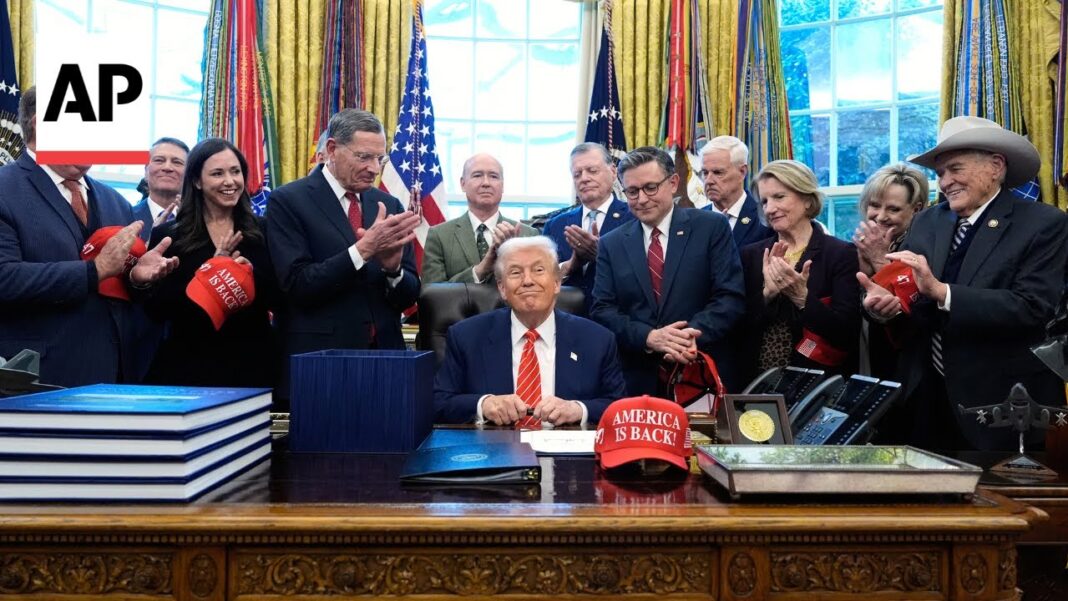
The new income-driven repayment plans, which are included in the Working Families Tax Cuts Act, were previously approved by Congress.
Most of the new rules will take effect on July 1, with provisions relating to deferment and forbearance beginning a year later, and certain repayment plans sunsetting in the summer of 2028.
Kent said this type of student loan reform is necessary, considering that total college loans have increased 345 percent since 2005. Tuition rose faster than any other household expense in the last 40 years.
The measure, he added, “addresses longstanding challenges in higher education and federal student lending, including exorbitant tuition costs, unchecked borrowing, and a confusing maze of repayment options that too often leave borrowers with higher balances despite making payments.”