The move was welcomed by the European Central Bank, which has been pushing for the creation of a central bank digital currency for three years.
The European Parliament formally backed the creation of a digital euro in a vote on July 9.
Lawmakers voted 416 in favor, 169 against, and 22 abstentions on the motion, which states that the parliament will negotiate for the digital euro to be issued by the European Central Bank (ECB) in upcoming talks with the president of the European Council, currently held by Ireland.
Along with backing the creation of the central bank digital currency (CBDC), the parliament’s negotiating team will push for it to provide a secure, private, and free-to-use means of payment, both online and offline.
It will also require most businesses to accept it, and for a cap to be placed on how many digital euros any individual can hold, as well as for basic services, such as opening an account, holding and managing funds, and access to at least one payment instrument, would be free of charge.
The parliament will also push for banks and payment service providers from non-euro EU countries to be allowed to distribute the digital euro, while ensuring that eurozone countries are obliged to keep cash accessible.
Under these terms, businesses would not be allowed to ban cash, and member states would have to regularly monitor cash availability, with special attention to vulnerable groups.
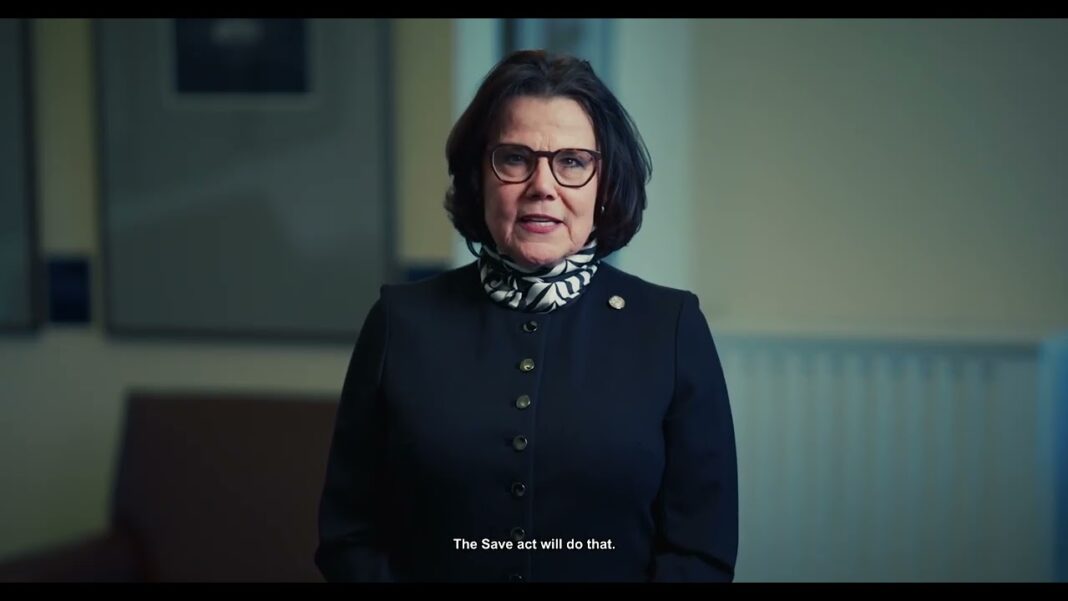
ECB President Christine Lagarde welcomed the parliament’s backing in a July 9 post on X.
In an accompanying video message, Lagarde described what would happen next in the process, saying “the European Parliament, the Council, and the [European] Commission are going to work together to come out with a final version that will apply across the board.”
“Once this happens, the trilogue, as it’s called, is over and satisfactory. Then we at the European Central Bank will get started with rolling out all of our technical work, all testing and piloting, so that as soon as possible—as long as everything is technically solid, valid, and safe—we’ll be able to launch the digital euro as well,” Lagarde said, adding that physical currency would complement the CBDC.
By Guy Birchall