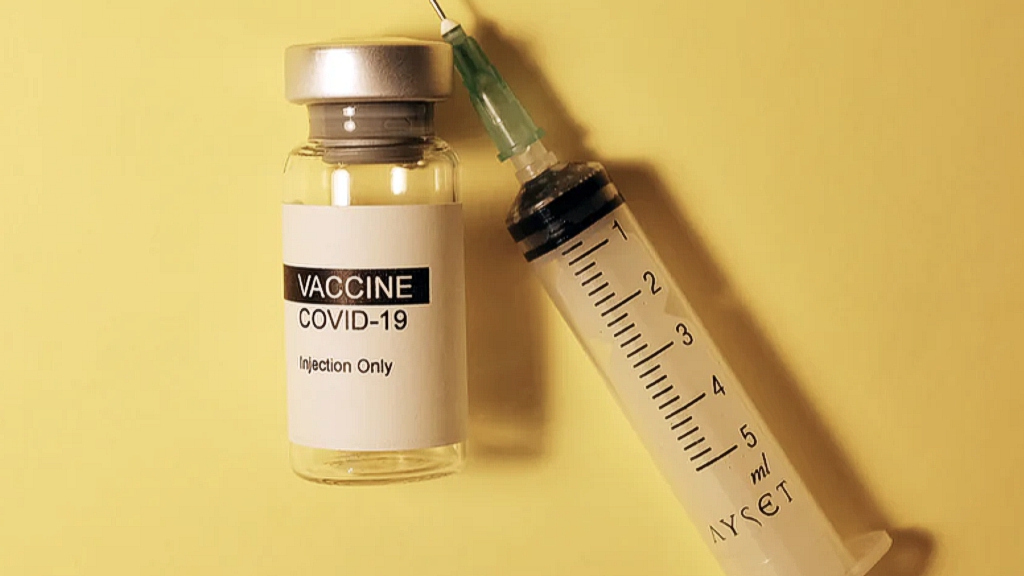


More than 500,000 adverse events reported after COVID vaccines, from temps to neuropathy

5Mind. The Meme Platform
Just The News

As of Sept. 27, 2021 there were 569,294 adverse event reports associated with COVID-19 vaccination in the U.S., according to the federal Vaccine Adverse Event Reporting System (VAERS).

The most common disorders reported after COVID-19 vaccinations in the U.S. include temperature-related issues (226,457), skin problems (174,793), and a category that includes movement, muscle, nerve, neuropathy, numbness, and paralysis (164,200).

That’s according to an original analysis of the federal Vaccine Adverse Event Reporting System (VAERS).

Next in line are non-specified pain-related issues (139,395), feeling abnormal, tired or weak (139,395), injection site reactions (121,538), headaches (111,549), heart events (79,012), and lung or respiratory problems (77,976).

Abdominal problems (40,415), getting COVID-19 after vaccination (34,589), and blood clots or bleeding, including in the heart and brain (32,023), are also common among the VAERS reports.

So are product issues (29,661) and mood or memory problems (31,720).

As of Sept. 27, 2021 there were 569,294 adverse event reports associated with COVID-19 vaccination in the U.S., with a total of 2,433,730 symptoms reported. 

Report an adverse event after vaccination online here.

Each symptom reported does not necessarily equal one patient. Adverse event reports often include multiple symptoms for a single patient.

Reporting of illnesses and symptoms that occur after COVID-19 vaccination does not necessarily mean they were caused by the vaccine. The system is designed to collect adverse events that occur after vaccination to uncover any patterns of illnesses that were not captured during vaccine studies.

Read CDC info on COVID-19 vaccine here.

Reports can be made by doctors, patients or family members and/or acquaintances, or vaccine industry representatives. 

Scientists have estimated that adverse events occur at a rate manyfold higher than what is reported in VAERS, since it is assumed that most adverse events are not reported through the tracking system. 

Read: Exclusive summary: COVID-19 vaccine concerns.

However, some observers claim COVID-19 vaccine adverse events are not as likely to be underreported as those associated with other medicine, due to close monitoring and widespread publicity surrounding COVID-19 vaccination.

Approximately 391 million doses of COVID-19 vaccine have been given in the U.S. to 185 million people. It’s estimated about 56% of the population is fully vaccinated. This is not believed to include more than one million people who crossed the border illegally so far this year.

According to the Centers for Disease Control (CDC) and Food and Drug Administration (FDA), the benefits of COVID-19 vaccine outweigh the risks for all groups and age categories authorized to receive it.

Watch: CDC disinformation re: studies on COVID-19 vaccine effectiveness in people who have had COVID-19.

The following is a summary of health alerts issued in the U.S. or around the world, and how the adverse events reported in the VAERS database fit in. That’s followed by a list broken down into 78 groupings of common categories of side effects reported.

By Sharyl Attkisson 

Read Full Article on JustTheNews.com

Contact Your Elected Officials
Just The News
Just The Newshttps://justthenews.com/
JusttheNews.com tries to stand out by returning to the bedrock promise of getting news first, but first getting it right. We try to deliver news you can trust.

US Natural Gas Market Shielded From Global Price Shocks During Iran War

Analysts say East Asia could see hikes in energy costs after an Iranian strike wrecked Qatari LNG infrastructure that met 20 percent of the world’s demand.

Israel Targets Checkpoints That Hold Back Iranian Uprising

For decades, one of the most visible expressions of state power in Iran has not been found in govt. buildings or military bases, but in the streets.

The Limits of Power—and the Power Behind the Regime

Western policymakers assume regimes fall when they lose legitimacy. History shows they collapse when they lose the power—and money—to enforce control.

Momentum Builds for Regime Change in Cuba

Momentum builds for regime change in Cuba as Cuba’s leadership faces increased strain from U.S. policy and mounting protests on the island.
00:01:55

US Has a New Ally in Latin America—Here’s Why It Matters

“We are going to take back our country,” newly minted Chilean President José Antonio Kast told a crowd of thousands as he took office March 11.

FedEx Rolls Out Same-Day Delivery Service

FedEx launched a same-day delivery service as shipping and retail companies compete to meet growing customer expectations for near-instant order fulfillment.

Suspicious Drone Incursion Causes Alarm at US Bomber Base

Suspicious drone activity recently caused alarm at a U.S. military base in Louisiana that hosts long-range strategic bombers.

Stocks Slip, Oil Holds Above $100 as Iran Tensions Cloud Sentiment

U.S. stocks opened lower while oil prices held above $100 a barrel on March 24, as lingering doubts over easing Middle East tensions weighed on sentiment.

FCC Bans Foreign-Made Routers Citing National Security Risks

FCC banned all imports of foreign-made commercial routers March 23, a move that targets Chinese-linked brands found to pose national security risks.

Markwayne Mullin Sworn In as DHS Secretary

Former Oklahoma Senator Markwayne Mullin was sworn in at the White House as the new Secretary of the Department of Homeland Security (DHS).
00:27:39

US Looking to Seize Iranian Defectors’ Money: Bessent

Treasury Sec. Scott Bessent said that the US is moving to seize funds transferred abroad by Iranian defectors, so it can be to returned to the Iranian people.

Trump Says He’s ‘Not Putting Troops Anywhere’ Amid Iran War

President Donald Trump met with Japanese Prime Minister Sanae Takaichi to discuss the Iran war, saying he is not inclined to send U.S. ground troops.

US Agencies Terminated or Reduced 95 Wasteful Contracts Worth $2 Billion: DOGE

Federal agencies canceled or scaled back 95 wasteful contracts worth up to $2B in the last four weeks, saving taxpayers $757M.
spot_img

Related Articles

Popular Categories

MAGA Business Central