Acting Navy Secretary Hung Cao says the Trump administration is delaying the major Taiwan arms package to prioritize weapons for the Iran conflict.
The United States has paused a $14 billion arms sale to Taiwan to ensure it has enough munitions for its military operations against Iran, according to Acting Navy Secretary Hung Cao.
Cao revealed the pause during a Senate Appropriations Defense Subcommittee hearing on Thursday. He told Sen. Mitch McConnell the step was needed for Operation Epic Fury, the name for U.S. actions in Iran.
“Right now we’re doing a pause in order to make sure we have the munitions we need for Epic Fury—which we have plenty,” Cao said. He added that foreign military sales would continue “when the administration deems necessary.”
The acting Navy secretary said the final decision rests with War Secretary Pete Hegseth and Secretary of State Marco Rubio. McConnell reacted by warning that delays in arms deliveries could weaken deterrence in the Indo-Pacific.
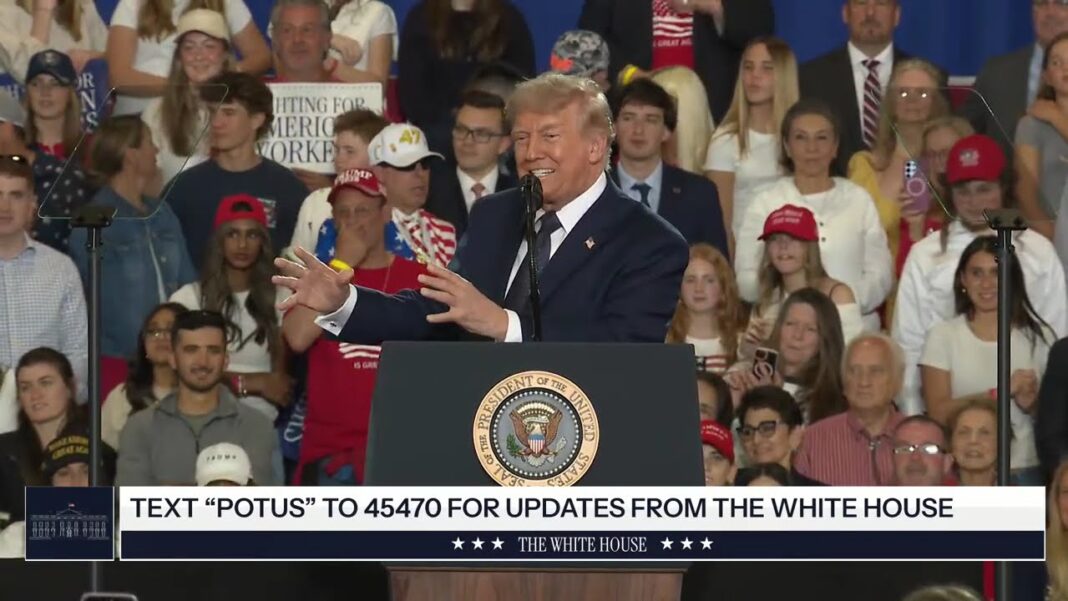
President Donald Trump has given a different explanation for holding up the sale. In a recent Fox News interview, after talks with Chinese leader Xi Jinping, Trump said he had not yet approved the package.
“We’re going to see what happens. I may do it; I may not do it,” Trump said.
He described the arms as a potential “negotiating chip” with China.
Taiwan has not been formally notified of any delay. On Friday, Taiwan’s Presidential Office spokesperson Karen Kuo said the government had received no information about changes to the arms sales.
“However, at present we have not received any relevant information about the U.S. adjusting these military sales,” Kuo told reporters in Taipei.
Taiwan’s defense ministry confirmed it had received no notification of delays. It said it continues to monitor U.S. policy and maintain close coordination to ensure sales proceed as planned.
Alexander Yui, Taipei’s representative in Washington, had earlier urged approval of the package. Speaking on CBS’s Face the Nation on Sunday, he said strong defenses help prevent conflict.
“If we want to prevent a war from happening, I think it’s best that Taiwan is strong, able to defend itself,” Yui said.
The pause comes more than 12 weeks after the Iran conflict began on Feb. 28. U.S. forces have expended large numbers of Tomahawk missiles, Patriot interceptors, and other weapons during the fighting, which entered a ceasefire in early April.
Hegseth has played down worries about depleted weapons stockpiles. In testimony to House lawmakers last week, he called such concerns “foolishly and unhelpfully overstated.”
“We know exactly what we have. We have plenty of what we need,” Hegseth told them.
By James Xu