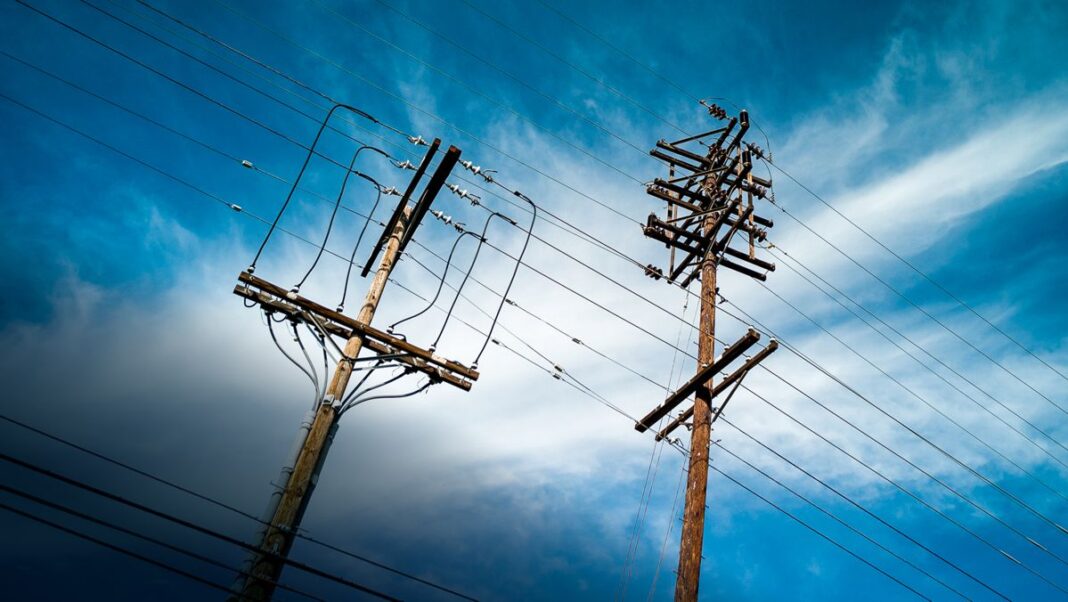


With growing demand from AI, data, and population centers, the U.S. has been losing the trillion-dollar race to rebuild its aging power grid.
As electricity demand surges, the United States is facing a trillion-dollar race to rebuild its aging power grid. But even as utilities and policymakers pour funding into modernization efforts, a critical choke point has emerged: a years-long shortage of transformers that is slowing the upgrade process.
America’s power grid infrastructure is between 40 and 100 years old, depending on the location. Parts of the grid date back to the late 1800s. Recent estimates suggest the United States will need $1.4 trillion by 2030 and more than $3 trillion by 2035 to modernize and expand its electrical infrastructure.
Meanwhile, only a fraction of the transmission capacity needed each year is being built. As a result, even well-funded modernization efforts are increasingly constrained by supply limitations. This is especially true for transformers, which are essential to scaling grid capacity and connecting new power sources.
On April 20, U.S. President Donald Trump designated grid infrastructure and its supply chains as essential to national defense.
Trump stated that the “aging and constrained” electrical grid poses an “increasing threat to national defense,” and that the nation’s ability to “design, produce, and deploy” infrastructure-related components such as transformers is “dangerously limited.”
The policy update aligns with the Department of Energy’s strategic priorities, which emphasize grid reliability, resilience, and supply chain security amid accelerating load growth.
The department is currently working on grid-related investments, including a $1.9 billion funding opportunity for transmission upgrades that was announced in March.
The United States already spent the highest amount in the world on grid investment in 2025, at $115 billion, according to a BloombergNEF analysis.
Yet only a small fraction of the high-voltage transmission capacity required to meet soaring electricity demand from artificial intelligence, data centers, and growing population centers is being built. The nation will need to construct roughly 5,000 miles of new high-capacity transmission per year to support “grid reliability, reduce congestion, and enable continued economic growth,” according to a 2025 Americans for a Clean Energy Grid report.