

U.S.-based children of religious dissidents face the same choice they would in China: self-censor, or speak out and risk their loved ones’ safety.
For months, Gao Pu shut himself in his apartment, a wave of hopelessness washing over him.
He had no connections, no political power, and no influence. The most he could do was post on social media, although that was unlikely to help much.
Both of his parents, Christian leaders approaching their 70s, were now in Chinese jail.
And he was thousands of miles away—in the United States.
“Be safe. Take care of yourself,” his mother had told him when the police first came for his father. Weeks later, they took her, too.
The couple, Gao Quanfu and Pang Yu, led the Light of Zion Church in central China. Over the years, the church became an influential gathering place for Christians who wished to worship outside Communist Party control, Gao Pu told The Epoch Times.
They pose no threat, Gao said—they just want to serve their God in peace. But to Beijing, independent faith is the problem.
The Chinese regime officially allows only five religions. To operate, religious organizations must register with the government, align with socialist values, and show loyalty to the Party. Veering outside of that tight boundary risks police harassment, a jail term, or worse. And tens of millions of believers face that peril day in and day out, be they house Christians, Tibetan Buddhists, Uyghur Muslims, or Falun Gong practitioners.
Gao, like other children of Chinese religious dissidents, faces a paradox.
He lives under the auspices of American freedom. But he faces the same choice he would have in China: self-censor, or speak out and risk his loved ones’ safety.
And neither do America’s freedoms protect them from the heartache of knowing their families are suffering in China.
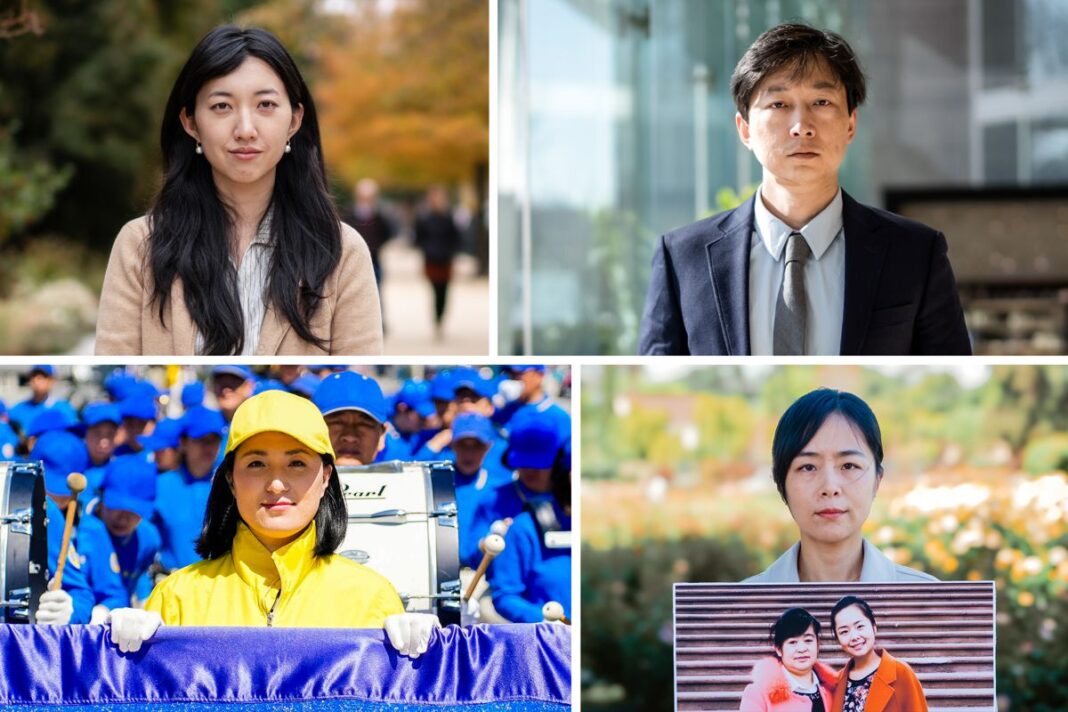
At a March press conference in Washington, Rep. John Moolenaar (R-Mich.) featured two daughters, Claire Lai and Grace Jin Drexel, who are caught in a similar dilemma.
“It’s so important that as we appreciate our freedoms in this country, we recognize that that isn’t the case with China,” said Moolenaar, chairman of the House Select Committee on the Chinese Community Party.
In China, he said, “people are being unjustly held because of their love of God, their love of freedom, and the respect for human dignity that all of us would want to share.”
The Party doesn’t believe in free expression, he said. “It doesn’t have confidence in its ideas. It fears people of faith, and it censors the truth.”
By Eva Fu